"No way!" my 13-year-old daughters blurted as we drove to the base of the Fenelon Place Elevator in Dubuque, Iowa — claimed to be the shortest and steepest railway in the world.
With the cable car's dizzying, almost vertical trip up a steep bluff and the added gloom of heavy rain, it did look like a setting from Lemony Snicket's "A Series of Unfortunate Events." But while seeming to defy gravity, it also offered a scenic alternative to a long, winding drive or wheezing climb to the top of bluffs found here in the unglaciated Driftless Area.
I stared longingly upward as windshield wipers swished, remembering a cogwheel train that climbed the mountainside to Château Gütsch in Lucerne, Switzerland. I didn't expect to find another one in Iowa, of all places. But Dubuque — the state's oldest city — offered several surprises during a late-summer road trip.
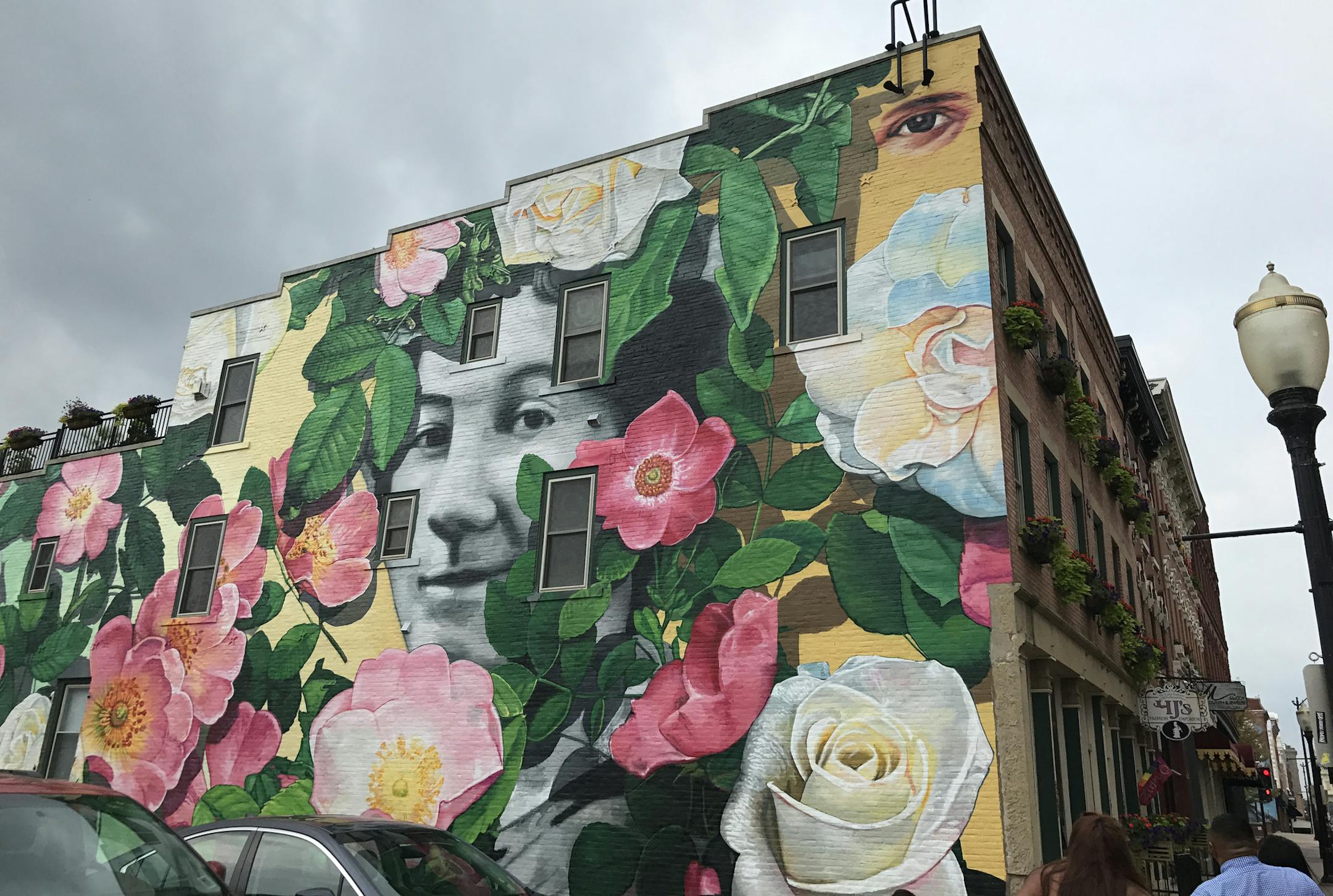
Some were right outside the windows of Hotel Julien, a historic property on Main Street in the heart of downtown. Baltimore-based street artist Gaia painted wild roses across a mural with a portrait commemorating Ada Hayden, Iowa botanist and preservationist. On another building, Gaia painted realistic black-and-white portraits of autoworkers.
Gaia was one of several artists who converged in Dubuque last summer to use its historic brick buildings as giant canvases for 18 murals. It was inevitable that some would dip into history, given that Dubuque's story began in 1833. French Canadian fur trader Julien Dubuque negotiated with the Mesquakie Indians for lead-mining rights. The town later boomed as a river port with a legacy of historic neighborhoods, a grand gold-domed county courthouse, revived riverfront warehouses, and historic boatbuilding structures on the harbor that became part of the National Mississippi River Museum.
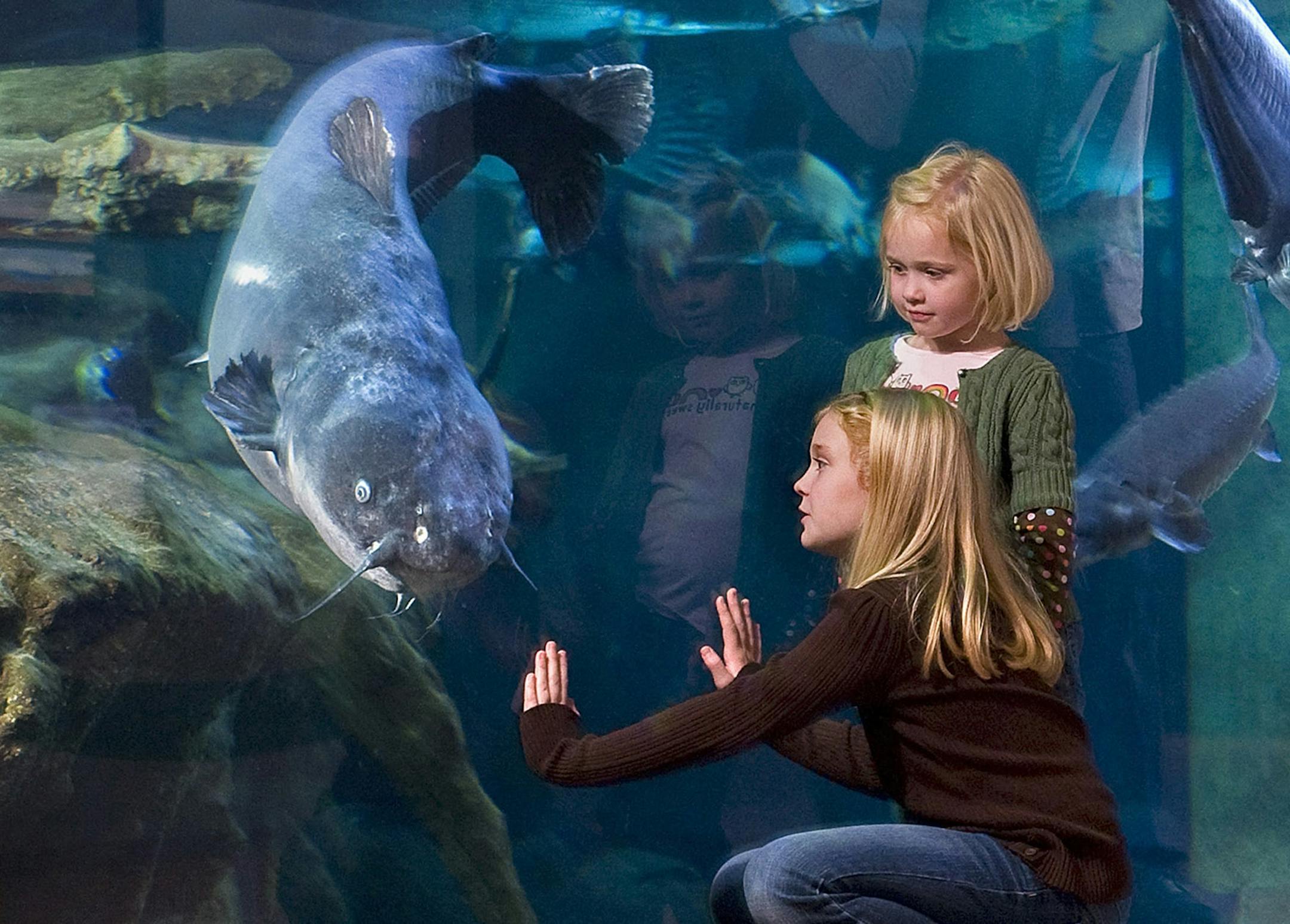
At the museum, kids explore an outdoor steamboat and beeline to an outdoor play area anchored by a giant catfish. Older visitors linger over blacksmithing and boatbuilding shops and exhibits about native tribes that first settled along rivers and left ancient burial grounds.
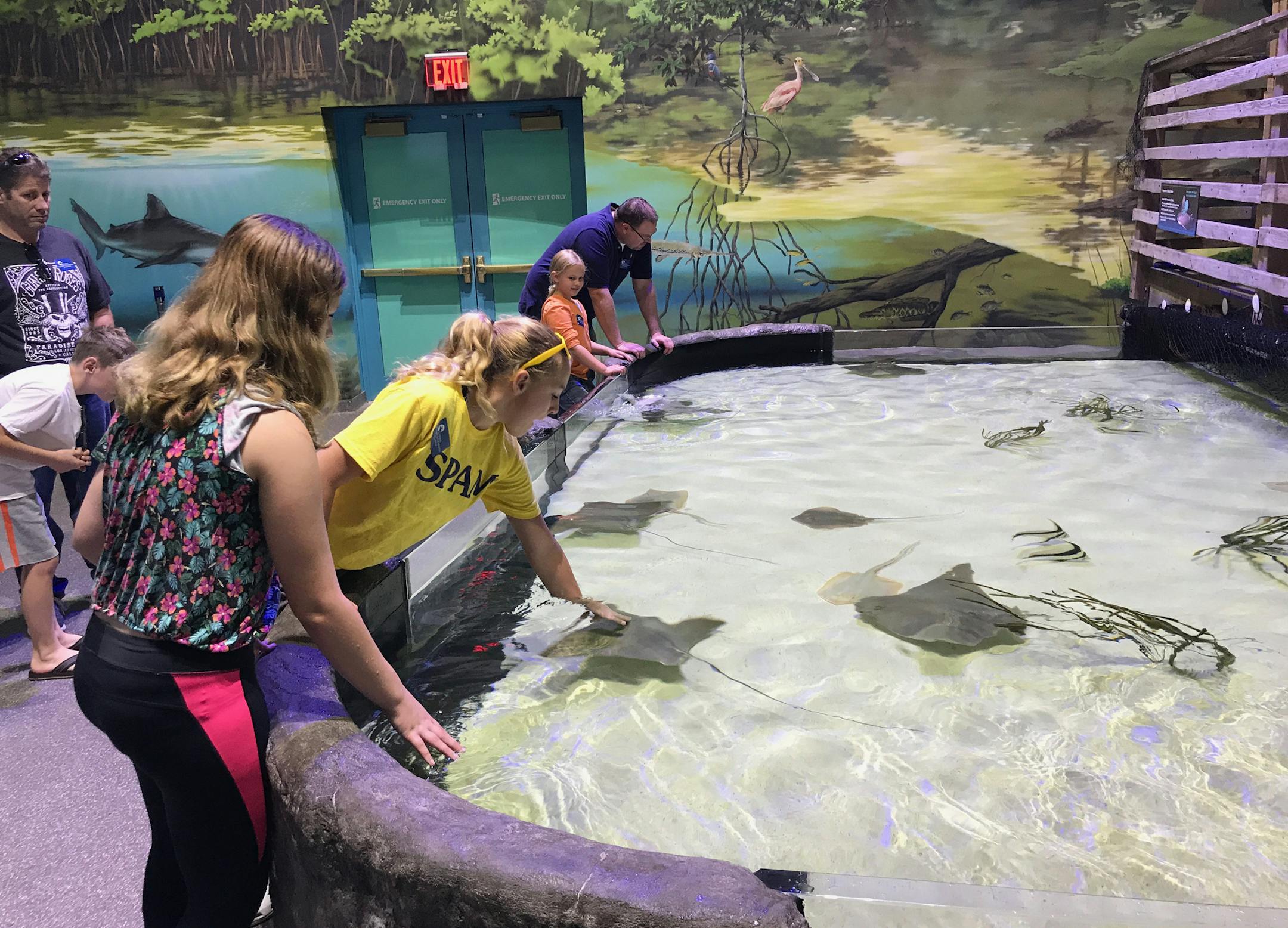
The museum's many aquariums feature river otters, ancient-looking sturgeon and catfish, an alligator and tropical fish from the Mississippi Delta and the Gulf of Mexico. My daughters fall in love with a goofy-nosed softshell turtle and suddenly don't mind getting a little wet while stretching hands to touch a stingray in its tank. We leave feeling a longer, stronger connection to the Mississippi River, from our own northern community of St. Cloud, Minn., to high-bluffed Dubuque to the tropical depths of the Gulf more than 1,000 miles away.
Attractions
Allow a few hours for the National Mississippi River Museum. Hands-on exhibits such as a RiverWorks Splash Zone and 4-D theater offer diversions for cold, rainy days, while play areas, a resident bald eagle and red-tailed hawk in aviaries and wetland interpretive trails provide things to do outdoors (rivermuseum.com).