Unlike many island vacation spots, Washington Island, a half-hour ferry ride from Wisconsin's Door County peninsula, takes pride in being quirky.
Let's start with the sign in the window of K.K. Fiske Restaurant (1-920-847-2121): "Fresh Lawyers." No, it's not an ad for cocky litigators. These "lawyers" are tender and tasty — freshwater fish caught each morning by local anglers.
Down the road is Nelsen's Hall (1-920-847-2496), which claims to be the world's largest purveyor of Angostura Bitters. Nelsen's — whose founder reputedly drank a pint of bitters every day as a restorative and lived to be 90 — issues Bitters Club Certificates to anyone willing to knock back a shot.
Along Washington Harbor, countless palm-size stones shape the popular Schoolhouse Beach. Scattered here and there are stones that have been hand-painted with miniature tableaux by unnamed artists. Beware: Anyone caught pocketing a stone, painted or not, faces a $250 fine.
The island's approach to tourism is unconventional, to say the least. Its 700 residents don't compete with the tony boutiques and clapboard condos of the nearby Door County peninsula or Michigan's Mackinac Island. Instead, they rely on the island's Icelandic history and unpretentious personality to attract tourists.
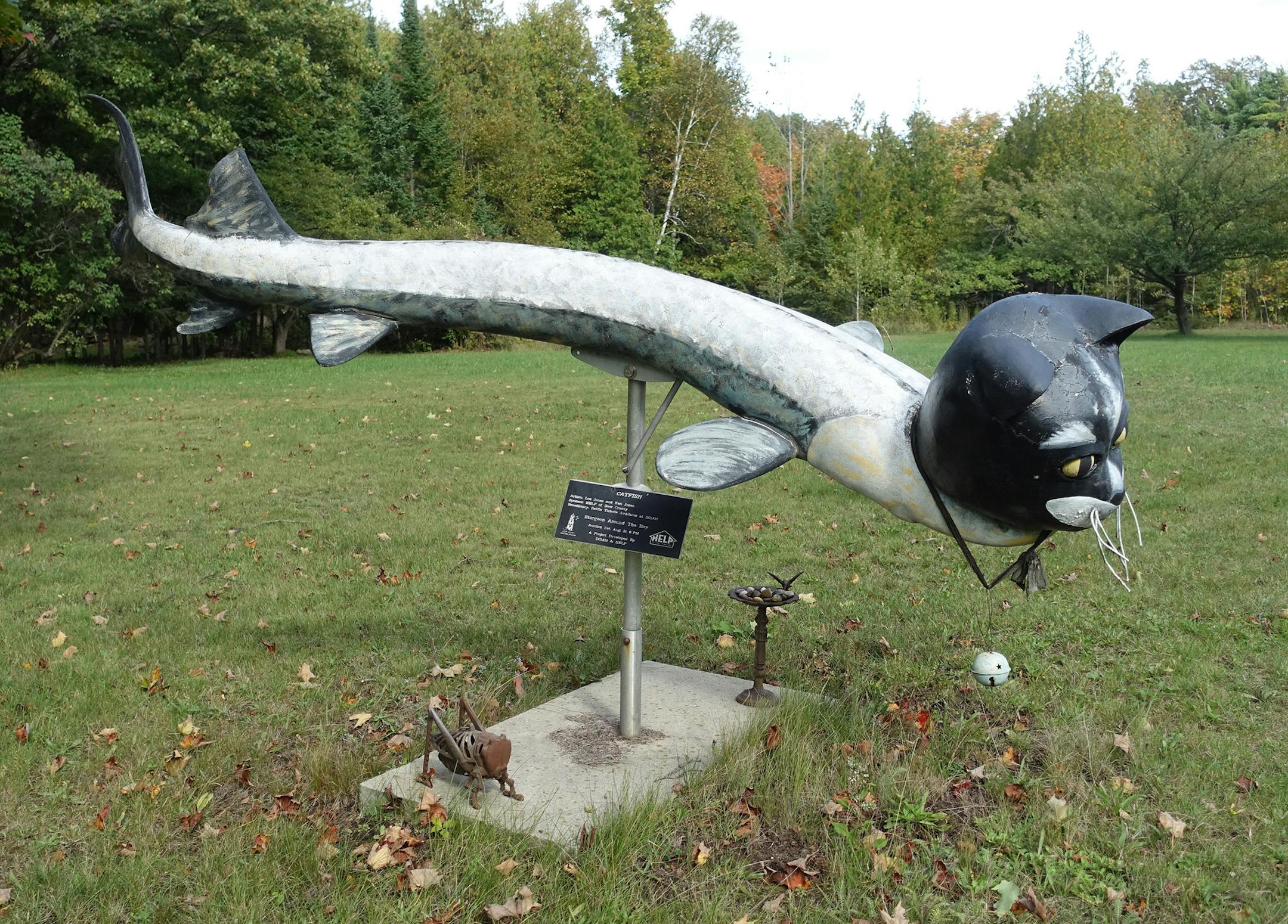
A visitor might catch a whiff of "New England quaint," but there's no sign of Yankee standoffishness. To the contrary, a winsome eccentricity permeates Washington Island and invites exploration, as demonstrated by the replica of a female mariner on the roof of Fiddler's Green pub, or the roadside sculpture of the head of a grinning cat on the body of a lanky fish — i.e. "Catfish."
Isle of lavender and festivals
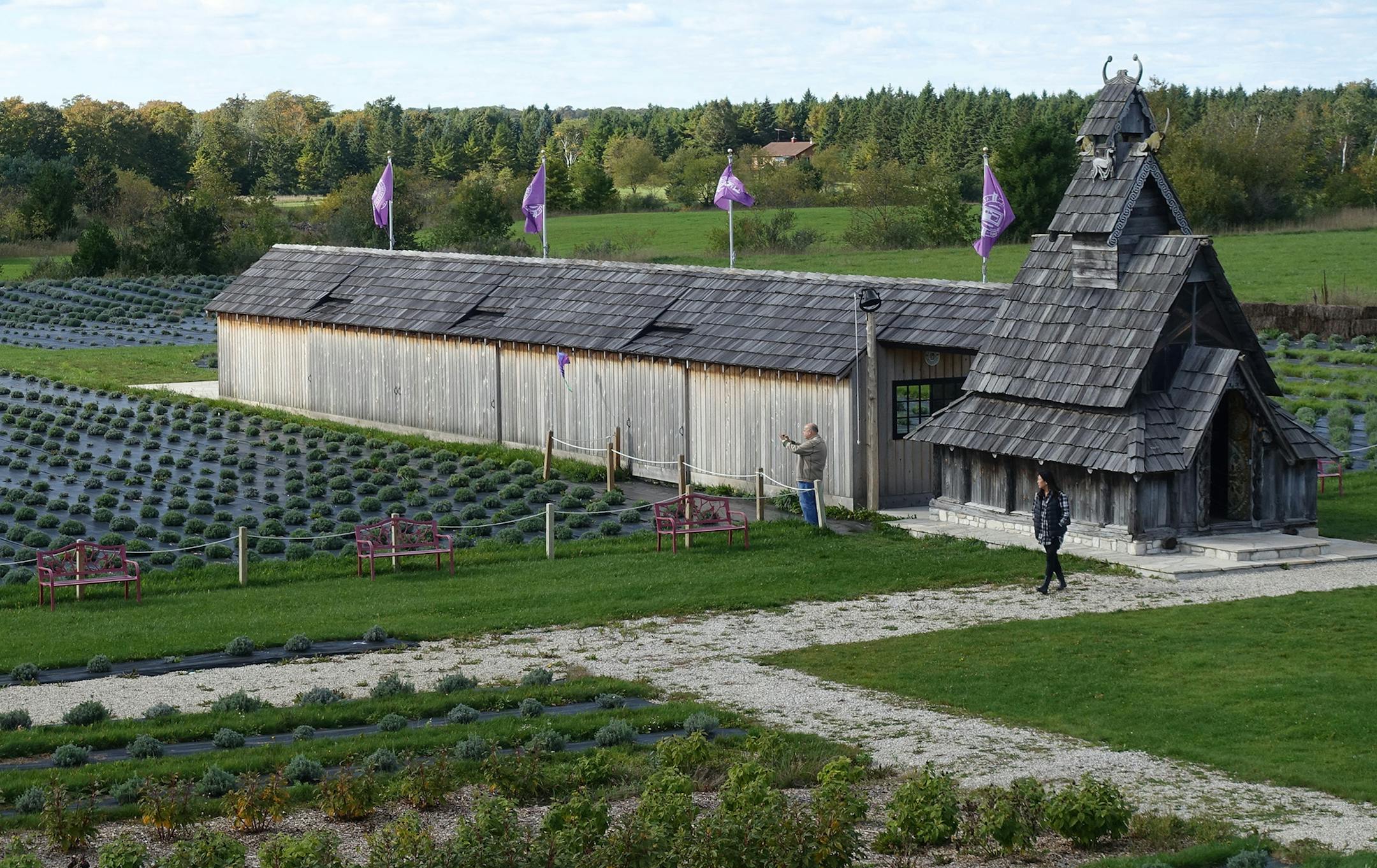
Carpeted by wheat fields and canopied by hardwood forests, the 23-square-mile island is easy to navigate, though first-time visitors might appreciate climbing Lookout Tower to get their bearings. Filling the panoramas are a vineyard, art and nature center, airport, campground, golf course and two lavender farms.
Lavender grows remarkably well on the island. Temperatures are cooler in the summer and warmer in the winter than on the mainland. Sunshine is abundant and topsoil is shallow and sandy, preventing water from pooling.