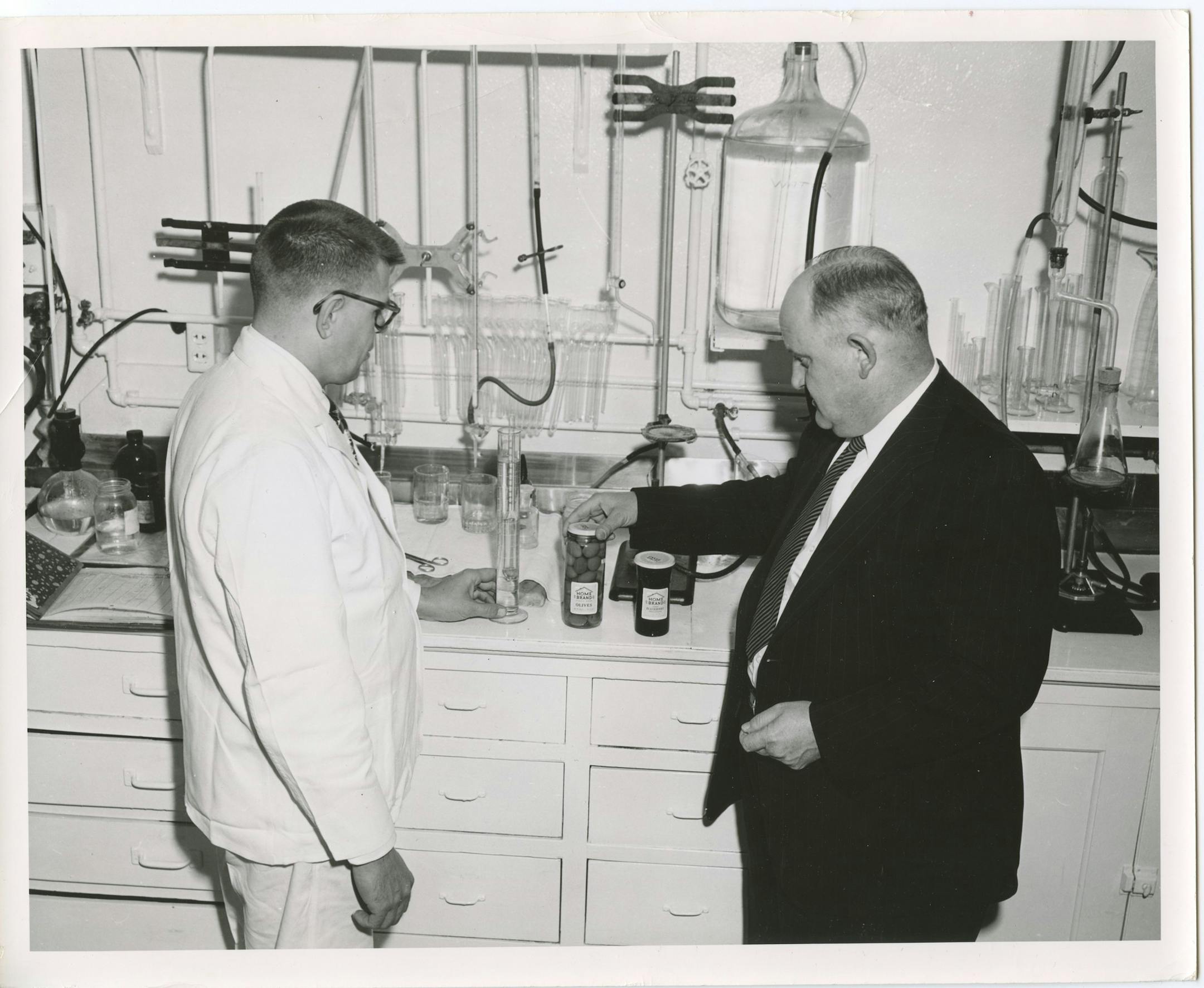
Star Tribune business columnist Lee Schafer's Nov. 20 column, "University Enterprise Laboratories is breeding success," describes the 10-year-old UEL project as a bioscience "industry cluster." In many ways, UEL is a microcosm of the way the surrounding Midway area developed over the past century.
A cluster is a geographic concentration of related manufacturing or economic activities that result in higher levels of innovation, entrepreneurship and productivity. Think Detroit for cars, Silicon Valley for computer technology and the Twin Cities for medical devices.
Bioscience companies have been attracted to the UEL project because of the built-in wet labs and ventilation systems (and the subsidized rents!). The Midway developed primarily because of the Minnesota Transfer Railway, which was formed by James J. Hill in 1883 as a cooperative of nine railroads to consolidate freight into one large district.
This gave nearby manufacturers a competitive advantage because freight could be moved cheaper and more efficiently. An even bigger advantage evolved over time as these companies in proximity learned to collaborate and partner in many unforeseen ways. Unlike some cities that developed a monoculture around one cluster, the economy in the Twin Cities was always more opportunistic and diverse. Multiple clusters formed organically to meet the changing circumstances.
A cluster of livestock, agriculture and food industries was among the first to develop around the Minnesota Transfer Railway. Federal animal protection laws required a layover on long train trips, and the Twin Cities was an ideal stopping point en route to the meatpacking houses to the east. Eventually, meatpacking companies moved to the Midway, particularly after the introduction of the refrigerated boxcar. (The St. Paul Union Stockyards Company started in the Midway before moving to South St. Paul.)
Many other related industries followed, including horse brokerages, saddle makers and wagon makers. The byproducts of meatpacking attracted companies making glue, gelatin, lard and soap. New technologies were needed to refine these byproducts, giving rise to a major cluster of chemical companies. Some were established conglomerates, including DuPont, Grasselli, Peter Cooper Glue Factory, and some were local start-ups, including Lyons Chemical and Minnesota Chemical.
Agriculture was represented in the Midway from the very beginning, with grain elevators and linseed refineries built by Archer Daniels Midland, among others. H.B. Fuller was already making glue from wheat in the Midway. The livestock and agricultural cluster lines converged as raw materials were processed into food. Cudahy, Hormel, Morrell and other meat products companies located in the Midway. Griggs, Cooper & Co., opened a model food plant at University and Fairview avenues. The Fisher Nut Company started in the Midway. All these consumer products required packaging, which attracted national companies like the American Can Company that made cans for lard and Hormel's Spam and Crown Cork and Seal.
A second major cluster line developed around the wood industries. As Hill expanded his rail network to the West Coast, he partnered with his Summit Avenue neighbor, Frederick Weyerhaeuser, to harvest the timber along the lines.