

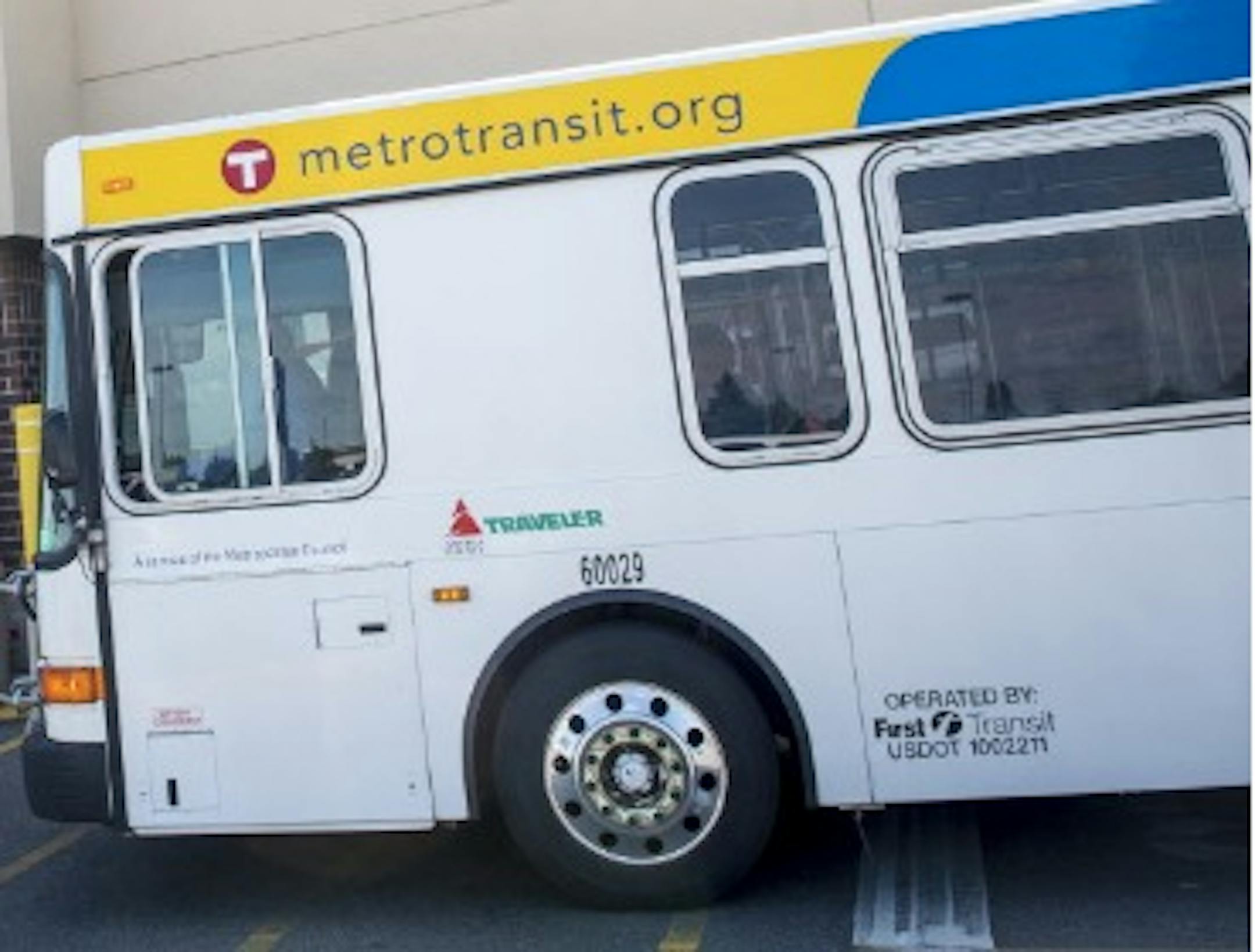
Over the past month, you may have seen some brightly painted Metro Transit buses rolling along Penn Avenue in north Minneapolis, stopping at corners but not picking up or dropping off any passengers. It was all part of a test for the new C-Line, the region's next Bus Rapid Transit (BRT) line, scheduled to open in 2019.
Metro Transit ran one of the 60-foot buses that will be used on the line that stretches 8½ miles between downtown Minneapolis and the Brooklyn Center Transit Station to get a feel for how the large vehicles will move and interact with traffic and to help Metro Transit set schedules.
That's just one of the pieces falling into place as planning continues for the line that will largely replace Route 19 service, which now operates on Olson Highway and Penn Avenue.
A few weeks back, the Met Council approved a budget amendment that brings the total commitment for construction of 23 stations and technology necessary to run the line to $20 million. That number includes both council dollars and federal funding.
Station construction is expected to start in the spring.
With that part of the project fully funded, Metro Transit recently got another boost from the Federal Transit Authority, which awarded the agency a $1.75 million grant to secure at least six buses that will be fully powered with rechargeable batteries. The grant also will pay for the charging technology to be installed at Metro Transit's Heywood Garage and the Brooklyn Center Transit Center. With a full charge, the buses can operate for up to 150 miles.
When they hit the streets, they will be among the first 60-foot battery-electric articulated buses put into service in the United States along with those in Indianapolis and Albuquerque, N.M. Metro Transit also plans to buy eight other buses, so the C-Line will have a total of 14 buses.
Route 19 is Metro Transit's seventh busiest line, carrying about 7,600 passengers each day. The traditional 40-foot buses are often packed. With the longer and larger buses, each sporting three doors, the loading and unloading process will be faster and passengers will be able to move inside easier.


