

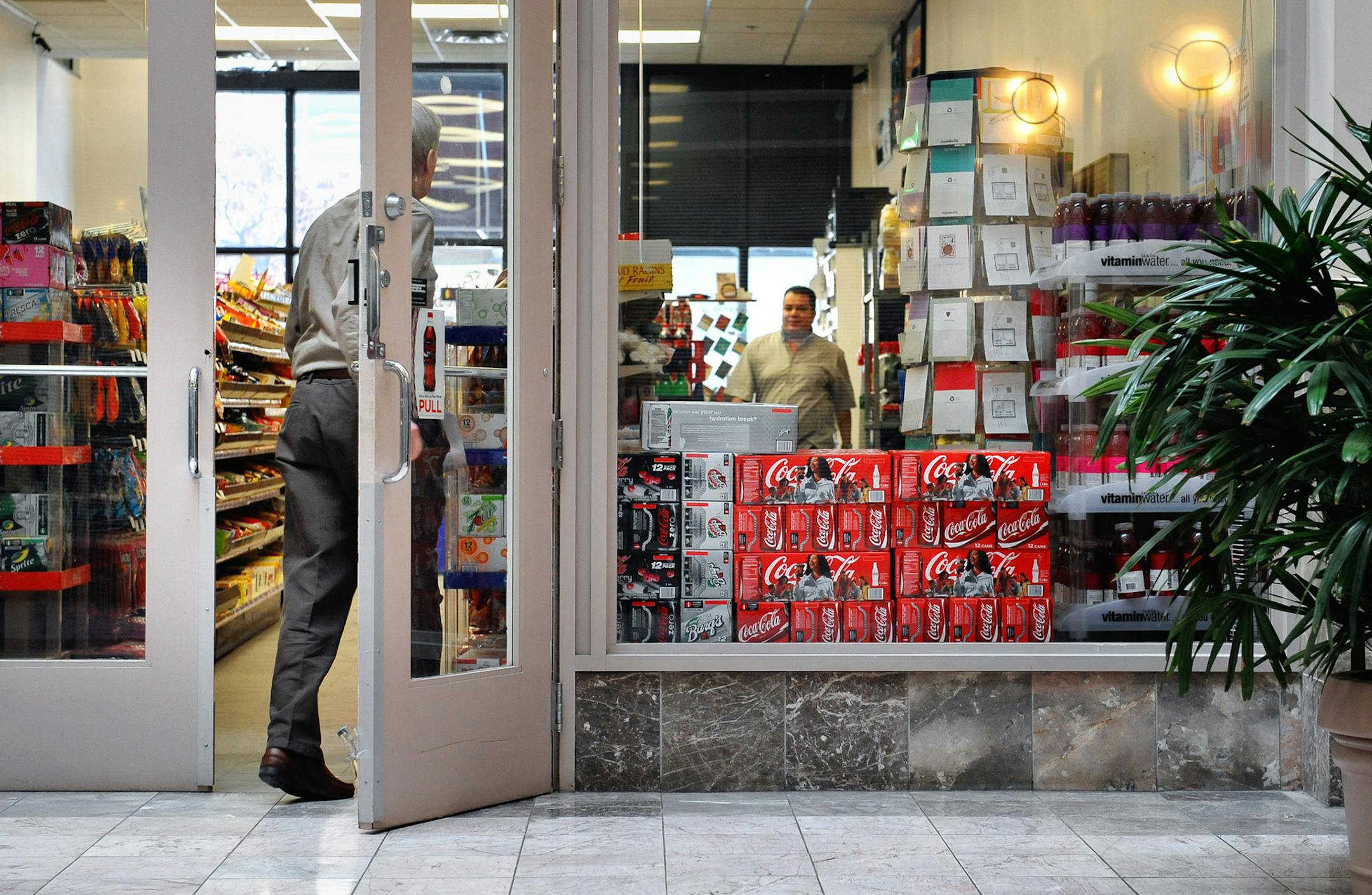
Imagine a city with no gas stations and convenience stores. Imagine a neighborhood without a local bodega for those last-minute essentials such as milk, eggs or butter. If the Minneapolis City Council does not put the brakes on a whole host of proposals, this could soon be reality in parts of the city.
Minneapolis neighborhoods are filled with small, independent gas stations and conveniences stores. These neighborhood stores serve an essential function. Many of the customers walk from their homes to pick up snacks, milk and other grocery essentials. In many parts of the city, our stores are the oasis in what would otherwise be a "food desert."
But these stores are facing tremendous cost increases due to additional regulations affecting only Minneapolis businesses. Next month, the city's policy on sick and safe leave begins. No matter how you feel about the policy, there is no question that there is a cost to small employers. The minimum wage is also going up to a nation-leading $15 per hour. Economists from across the spectrum say this will significantly increase labor costs, especially for small businesses. The city also has passed a ban on polystyrene (Styrofoam), which has forced small retailers to find more-expensive alternatives for coffee cups and food packaging.
Now the city is again on a go-it-alone crusade to ban menthol cigarettes and mint and wintergreen tobacco products such as Kodiak, Grizzly and Skoal. Last year, the city banned all flavored cigar products, and before the ink is barely dry on that ordinance, it is back again looking to ban a category of products that accounts for 40 to 60 percent of all tobacco sales in Minneapolis. A recent analysis shows that this will cost the average store in Minneapolis $225,000 a year in lost sales.
For Minneapolis retailers on the border of Richfield, St. Louis Park, Robbinsdale, Crystal, St. Paul, Columbia Heights, Brooklyn Park and Brooklyn Center, the pressure to survive is even greater. Our stores have seen the writing on the wall about tobacco sales for years. There's no question sales are going down. We have added new products such as more produce and prepared foods, but there is simply no way we can adapt to all of these increased costs and the elimination of one of our top-selling products.
As you walk around your neighborhood this weekend or drive around our beautiful city, notice the number of convenience stores and bodegas filling storefronts throughout Minneapolis. Now imagine if they were no longer there. Sure, maybe some other businesses would take their place, which is great. Just don't run out of milk or gas in the Minneapolis desert.
Lance Klatt is executive director of the Minnesota Service Station and Convenience Store Association, representing over 20 stores in Minneapolis.


