

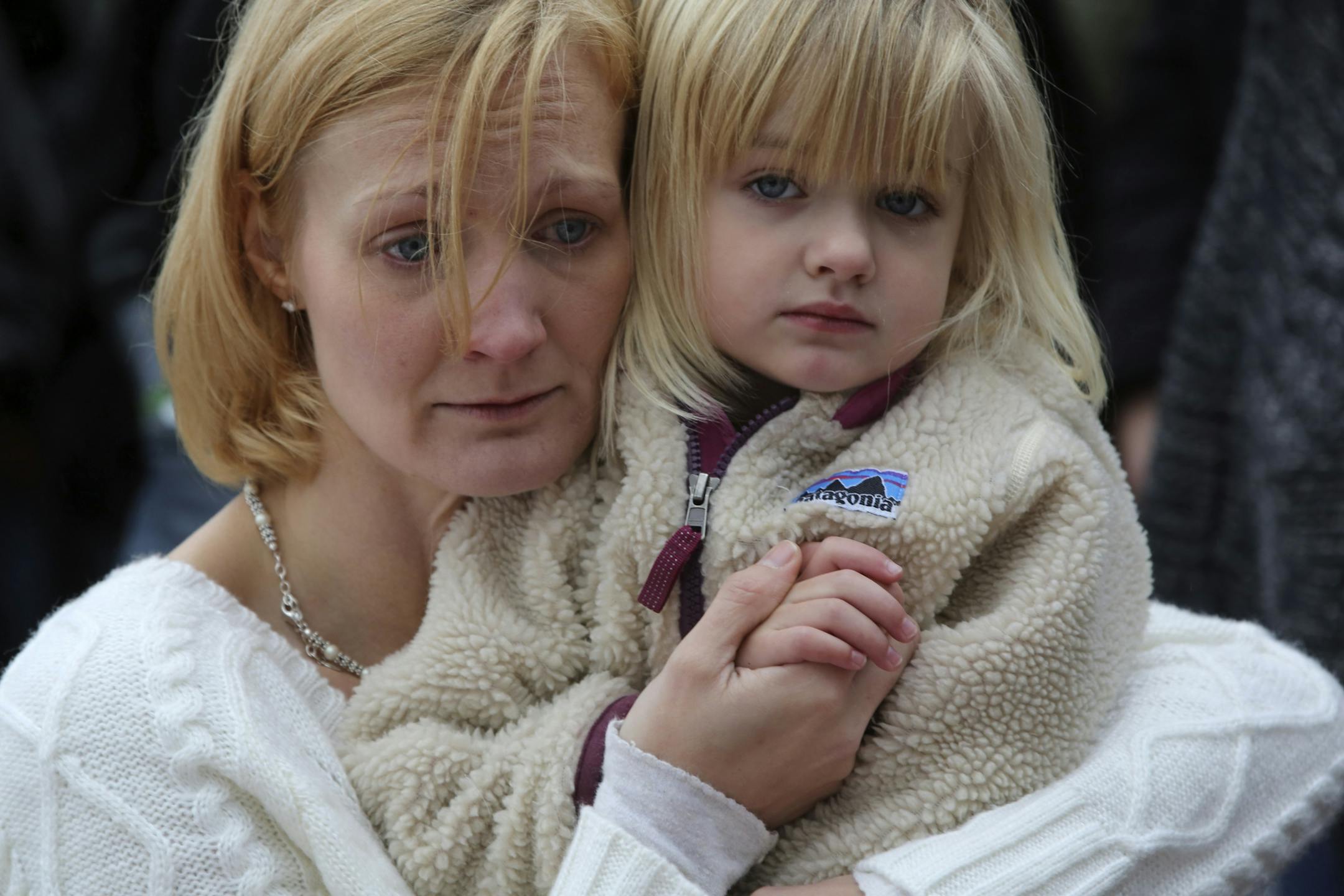
As our country struggles with the emotions surrounding the Newtown tragedy, we also must grapple with solutions to prevent future tragedies -- including addressing gaping holes in our mental-health system.
While we don't know why so many lost their lives in Newtown, we do know that in some of these tragedies -- but not all -- mental illness is a factor.
Prevention depends upon access to mental-health care. But sadly our health care system has systematically discriminated against children and adults with mental illnesses. Insurance plans are not mandated to cover the mental-health treatment and supports needed to achieve wellness and recovery.
Mental-health parity doesn't require coverage -- it just says that if you cover it, you have to cover it in the same way as you do physical conditions. But we are still waiting for the parity regulations, so even that promise has not been kept.
Our Medicaid system will not pay for the very intensive care people need at the Anoka Metro Regional Treatment Center, at St. Peter or at any other institution with more than 16 beds. Medicaid-funded supports such as personal care assistance or waivered services are difficult to obtain and offer limited hours and services to people with mental illnesses.
Medicare does not cover mental-health services in the same way as it does other illnesses. Community-based services also have traditionally relied on state and local funding -- making them prime targets when budgets need to be cut.
Only in the last few years has Minnesota even begun attempting to significantly invest in community-based services and treatment. This includes Assertive Community Treatment teams, in-home services, peer specialists, supported employment and supportive housing.
While we have seen benefits, such as fewer hospitalizations and an improvement in people's lives, we have long waiting lists and few providers. This means that services are still not available when or where you need them throughout the state.


