

The boy, maybe 4 or 5, timidly approached the U.S. senator carrying one of those posters that display portraits of each of the presidents. He wanted an autograph. The year was 2007, and Joe Biden was in Iowa on his second run for the Democratic Party nomination for president.
"Who is your favorite president?" Biden asked the boy as he stopped his talk to about 20 people at a community center outside Webster City. The boy, too shy to speak, only pointed — to Republican Ronald Reagan.
Biden and the small group laughed loudly, scaring the boy, who didn't get the joke. Biden then gently spoke to him. "That's a good choice. Do you want to know another one?" He then pointed to his party's favorite: Franklin Delano Roosevelt.
It was a small moment between an Iowa child and a high-ranking U.S. senator who 13 months later would become vice president. But for a few months every four years such interactions are common as the presidential candidates travel to Iowa to campaign before the state's first-in-the-nation caucuses.
I've been a witness to several moments like this on four trips to Iowa during caucus season over the past 12 years. During my first two trips, in December 2007 and January 2016, my focus was on watching democracy in action; I attended events for candidates of both parties.
But the election and presidency of Donald Trump changed me. To me, these are dark times in American politics. I believe Trump's policies and temperament have hurt the poor, have needlessly and cruelly separated families seeking asylum, have accelerated climate change and have promoted a political discourse that has emboldened outright racists. We urgently need new leadership in this country.
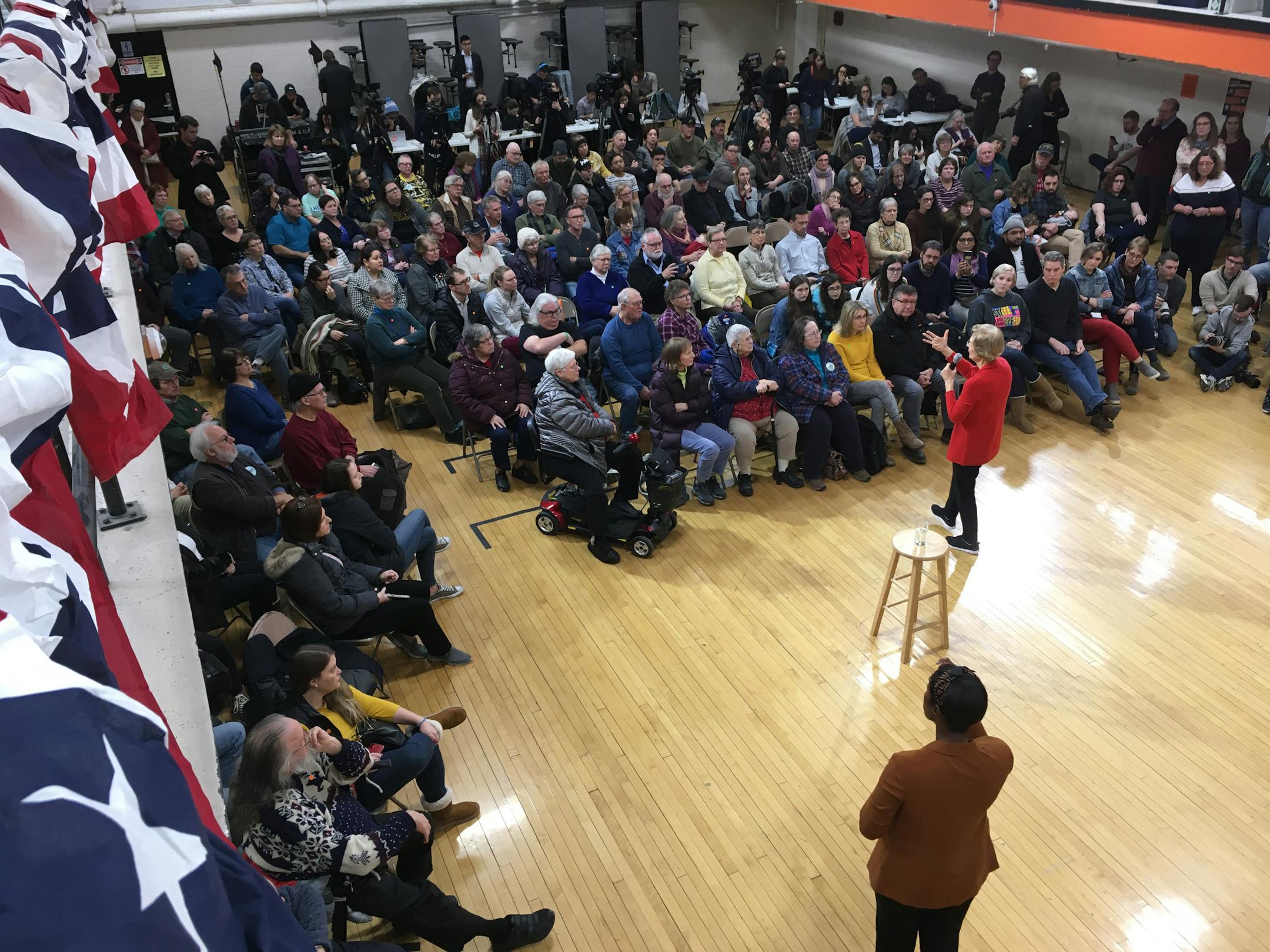
In that setting, my political tourism this year, which included trips in July and December to see eight candidates, has given me unexpected hope for a brighter political future. Taken together, these events in small-town school gymnasiums or diners are the antithesis to the president's MAGA rallies. Less shouting. Less anger. Less division. Instead, the emphasis is on common causes among people, and civility despite disagreement.
Seeing people like Sens. Elizabeth Warren and Cory Booker in person offers a compelling version of a different political world. Watching them tell their life stories and attempt to connect it to their vision for the change they want to see is so different from the way we see them in the news framed by television, Twitter or other outlets.


