

Heart device maker Medtronic PLC is warning doctors worldwide to use extra care when inserting a popular new kind of heart valve in some patients, following reports of 19 deaths from severe blood vessel trauma.
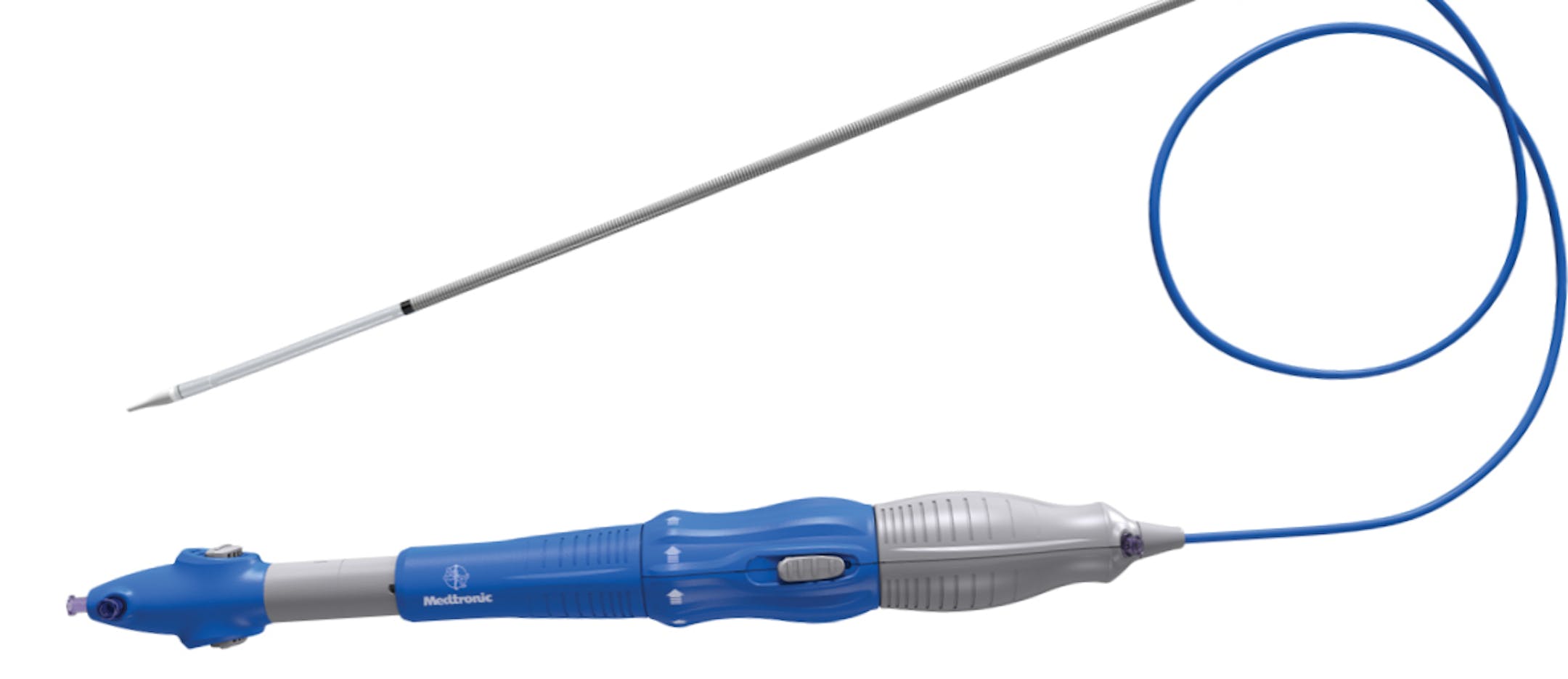
In a letter publicized late Tuesday, the Minnesota-run company informed doctors that it is voluntarily updating its instructions for using the minimally invasive EnVeo R delivery system, which doctors use to implant the Evolut R aortic valve in the heart. The device is used to treat a narrowing of the valve called aortic stenosis, which can lead to heart failure, irregular heart beats and fainting.
An internal analysis of global Medtronic data recently turned up 39 cases in which patients sustained damage to their arteries while doctors used the EnVeo R system. Although the number of incidents was considered low in the context of tens of thousands of valve replacements, the complication is often lethal — 19 of those patients died.
"When they looked at patients with vascular trauma, they noticed that there is a high mortality rate," said Dr. Gregory Helmer, cardiologist and director of the University of Minnesota transcatheter aortic valve replacement (TAVR) program. "They're bringing this to light basically to just make everyone aware and improve the overall safety of the TAVR procedure."
The new instructions caution doctors not to "force" the delivery system if they encounter resistance in the blood vessels, and to pay close attention to patients who may have complex or weakened arteries — steps to minimize the risk that the device will puncture or damage a blood vessel during the procedure.
Transcatheter valves are high-growth devices for Medtronic and the handful of companies that sell them worldwide because they avoid open-heart surgery. The valves are implanted with a long tube called a delivery catheter that is so thin it can be advanced to the heart through the body's natural blood vessels.
With an average sticker price of around $30,000, the new valves are more expensive but require less recovery time than traditional surgery. In the U.S. they're only approved for patients at high risk of complications from traditional surgery, which means the patient population tends to be older and more frail.
Earlier this month, Medtronic alerted doctors that some patients may have an increased risk of damage to the blood vessels. The letter was mentioned in an alert publicized by the U.S. Food and Drug Administration on Tuesday.


