It was certainly the best meal I've ever eaten while sitting in snow. Maybe one of the best meals I've eaten anywhere.
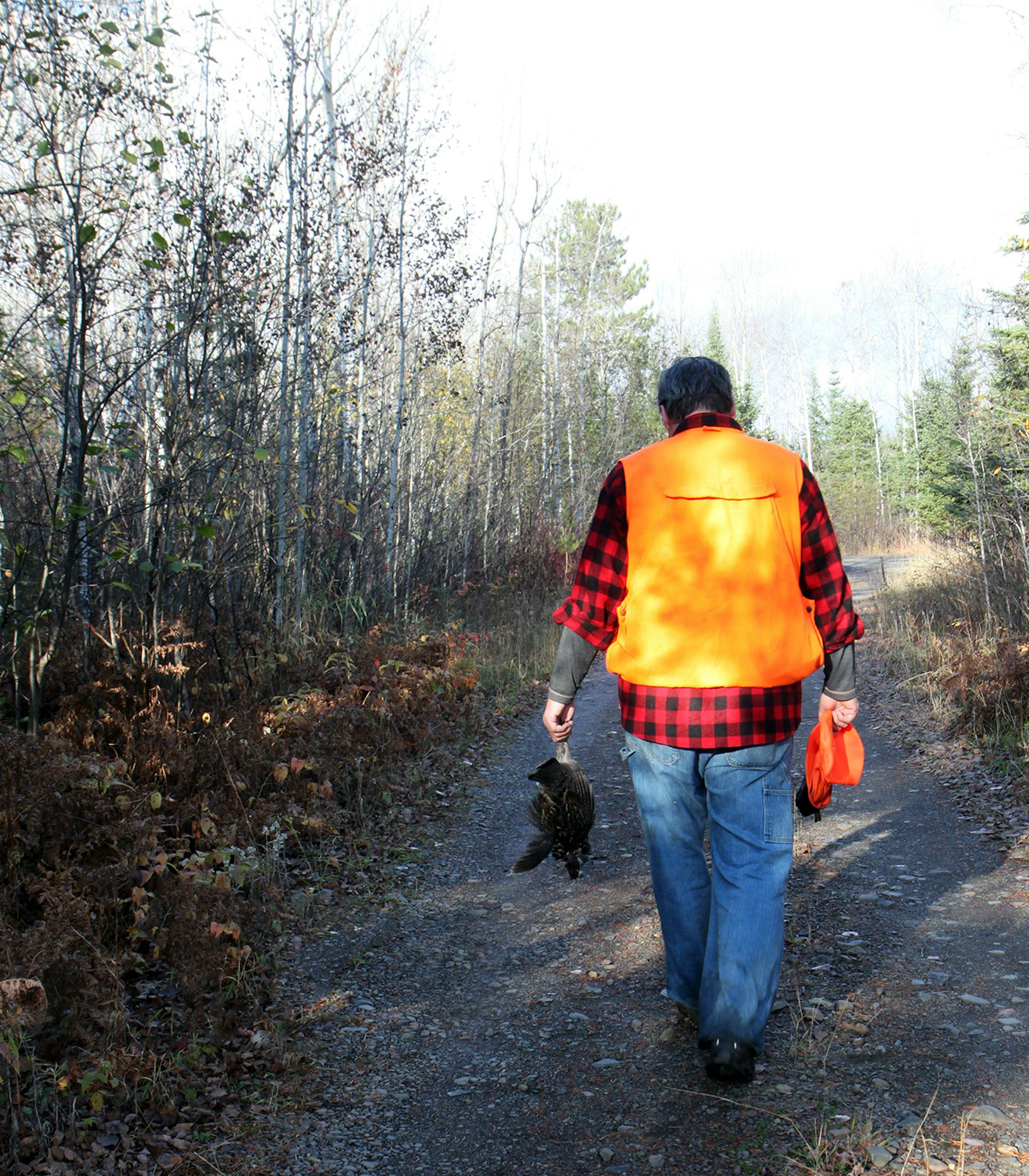
A friend and I had spent a January morning ice fishing, then an afternoon with shotguns slung across our backs, snowshoeing the cedar-lined shore of one of those Boundary Waters lakes that look like claw scratches along the Canadian border.
The day's result: Zero fish. One snowshoe hare.
Back in camp we balanced a soup kettle on a teetering propane stove, melted some snow and slowly defrosted a frozen block of venison stew. By headlamp, in the late afternoon darkness, we scooped olive oil, turned gelatinous from the cold, into a camp skillet, browned the skinned and butchered hare, then added the thighs, shoulders and saddle to the bubbling, wine-rich stew.
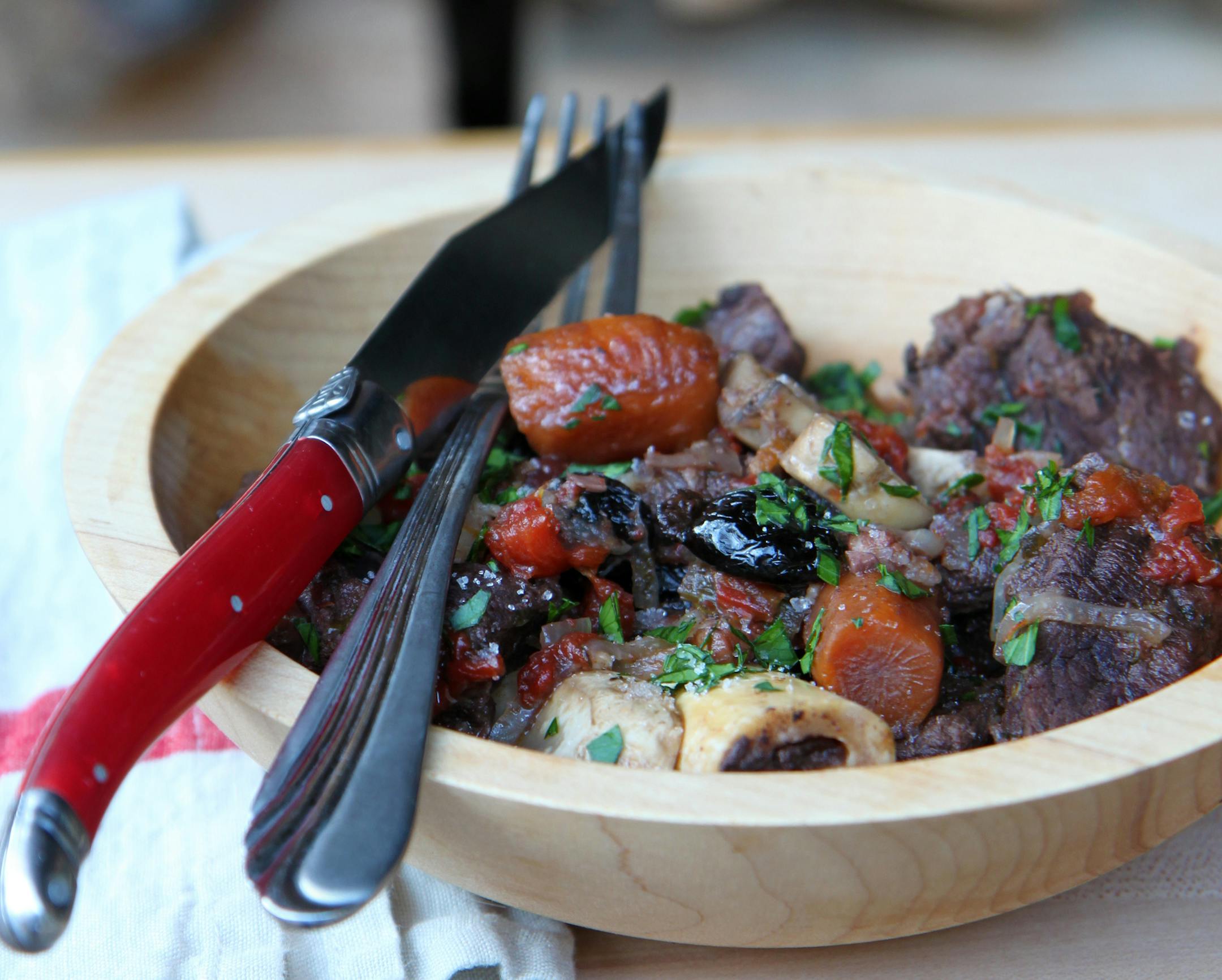
An hour later, squatting outside a glowing tent, we improvised a table from an upside-down enamel pot in the snow, set the kettle of stew on top of it, and ladled out two steaming bowlfuls. Clouds of our own breath drifted through the cones of our headlamps, as we forked up gravy-glazed carrot and onion, and big, dripping cubes of venison shoulder, our forks clanking against the metal bowls with our shivering. We peeled fat shreds of glistening hare from the bones with our brittle fingers, and agreed that there was really nowhere else we'd rather be.
The dish failed every test of Food Styling 101. This was not fine dining.
But it was many other kinds of fine, seated as we were at a stockpot table, under a frozen dome of stars, as guests of that gruffly hospitable country, tasting meat that had been flavored by the willows and cedars rocking in the wind around us, before it had been flavored by garlic, red wine and a mirepoix.
It was a reminder, sometimes obscured by talk of gear, techniques and trophies, that hunting is not an end in itself, but a means to an end. And that end is the table — whether a turned-over cooking pot in a snowbank or candlelit white linen.