
McCollum bill would restrict mining near Minnesota's BWCA

Though it has slim chance of becoming law, the bill escalates a contentious environmental fight over a new and risky type of mining.

April 15, 2015 at 3:10AM
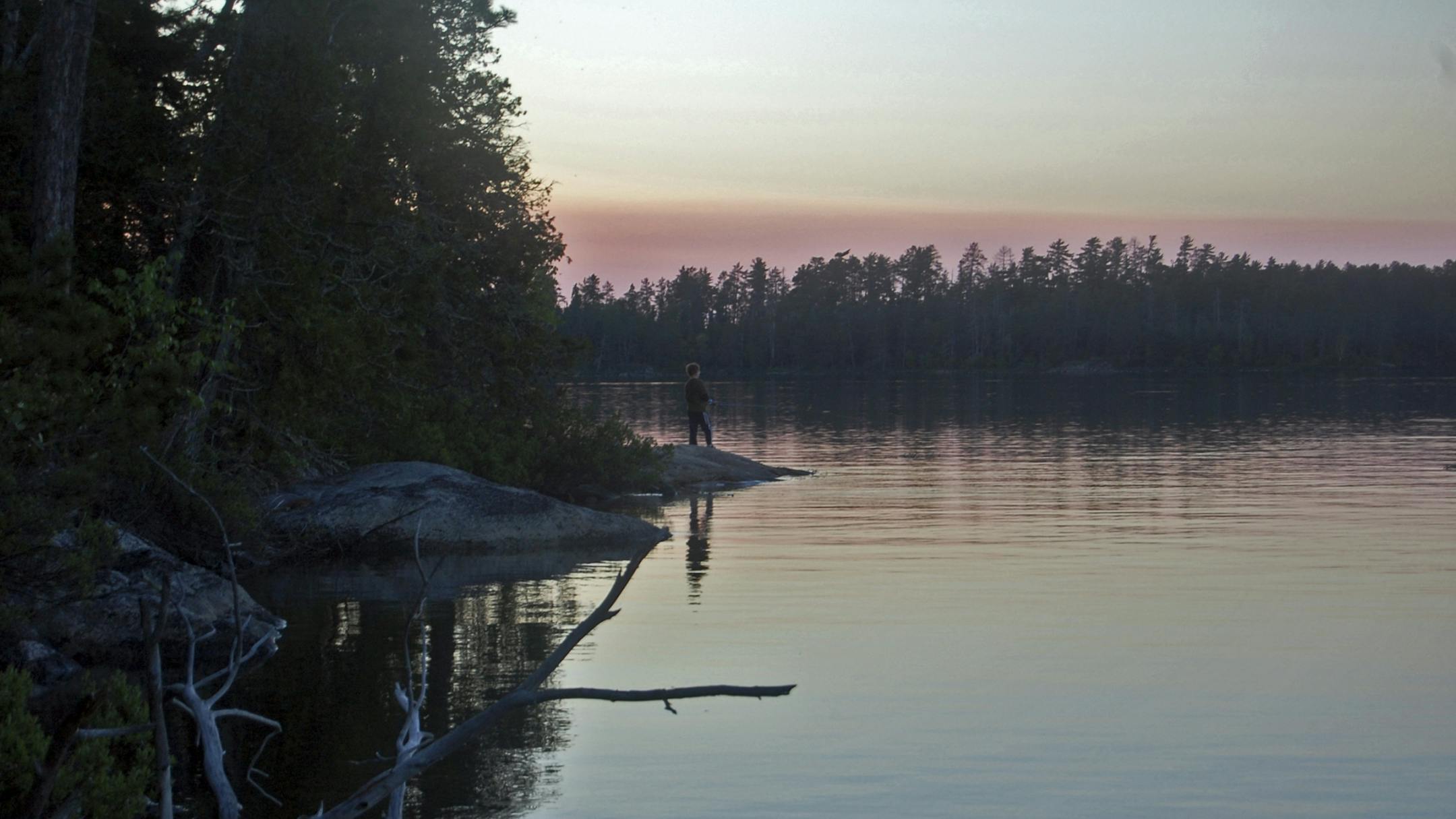
Saganaga Lake, the deepest lake in Minnesota and one of the largest in the BWCA.
Saganaga Lake, the deepest lake in Minnesota and one of the largest in the BWCA. (Star Tribune/The Minnesota Star Tribune)

The battle over mining near Minnesota's recreation areas is about to head to Washington.

U.S. Rep. Betty McCollum is expected to introduce federal legislation Wednesday that would ban the vast majority of copper-nickel mining in the national forest near two of Minnesota's natural jewels — the Boundary Waters Canoe Area Wilderness and Voyageurs National Park.

Though it has slim chance of becoming law in a Republican dominated Congress, the bill escalates a contentious environmental fight over a new and risky type of mining aimed at huge untapped mineral deposits in Minnesota.

"We owe it to our children to be good conservationists and good preservationists," said McCollum, a Democrat. "Once something as pristine as these waters are harmed, there is no putting it back."

The bill would cover mining on federal land — not state or private land — within 11,000 square miles of the vast Rainy River watershed that holds both the national park and the wilderness area.

It would not affect PolyMet Mining Corp., which has proposed a controversial copper-nickel development near Hoyt Lakes, because it lies outside the affected watershed. Nor would it cover the two federal leases already held by the only mining company currently developing a mine in the watershed, Twin Metals Minnesota, owned by the Chilean global mining giant, Antofagasta PLC.

If passed, it would halt mining in large areas closest to Voyageurs and the BWCA, and would impose new restrictions on mines that are built. Among other provisions, it would require a halt to mining if pollution from the operation is detected in waters until it is fixed.

McCollum said that should not hinder Twin Metals because it says it can build a mine without polluting waters.

"If they can mine without polluting, let's have them do that," she said. "But we need to put protections in place. The taxpayers are the ones who have to clean it up."

Nonetheless, McCollum's proposal drew a sharp response from Twin Metals Tuesday.

"Twin Metals Minnesota strongly opposes legislation being prepared by Congresswoman Betty McCollum that would withdraw federal minerals from future leasing and development," officials said in a statement. The area has valuable minerals, and state and federal laws encourage environmentally responsible mining, it said.

"Twin Metals Minnesota is fully committed to protecting Minnesota's wilderness, natural environment and recreational resources," the statement said.

McCollum's staff declined to provide details of the bill because it has not been completed, but members of a nonprofit group that has been seeking such legislation said it would prevent the possibility of a vast mining footprint like the existing Iron Range on the edge of the wilderness areas.

"Really, what she is looking at is the big picture of our inability to protect the BWCA with what is going on now," said Becky Rom, chair of the Campaign to Save the Boundary Waters.

PolyMet and Twin Metals are the first of many companies lining up to tap into one of the world's largest untouched copper-nickel deposits. They offer the promise of a new era of mining for northern Minnesota and hundreds of jobs, but ventures entail significant ecological risks for the wildest and most treasured corner of the state. Unlike taconite deposits that have long been tapped in Minnesota, copper-nickel ore contains sulfides that can create acid mine drainage, which changes the acidity of water and leaches heavy metals from rock.

The U.S. Environmental Protection Agency estimates that various kinds of sulfide rock mining have polluted 10,000 miles of rivers and streams, mostly in the western United States. Between 1998 and 2007, the federal government spent at least $2.6 billion to clean up polluted hard-rock mines, some of which are now Superfund sites.

Both PolyMet and Twin Metals say many of those problems were created by now-outdated mining standards. New technologies and engineering can provide ample protections, they said.

But they come at a cost. The required environmental assessment for PolyMet predicts that it may have to treat the water for many decades or even hundreds of years.

Josephine Marcotty • 612-673-7394

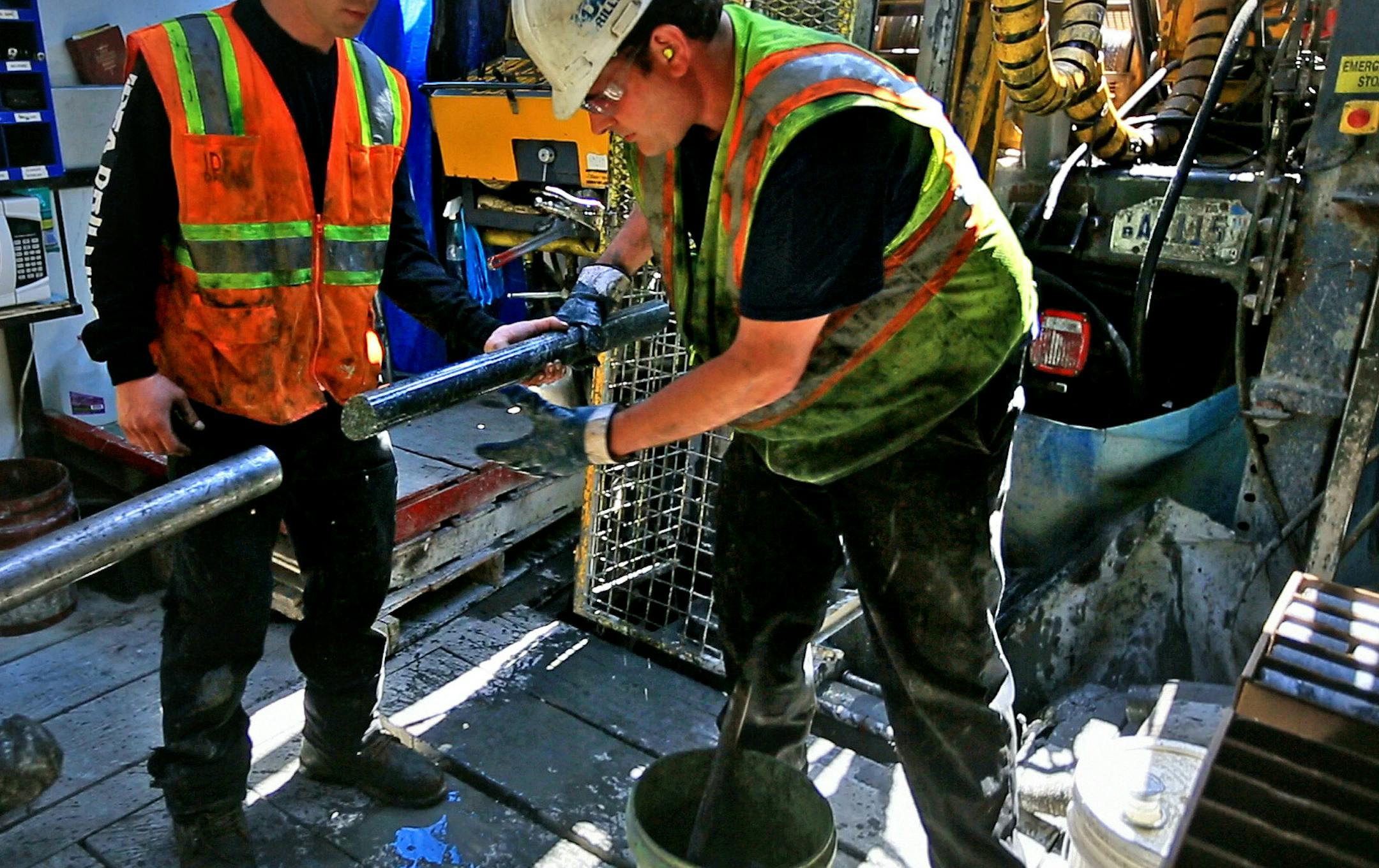
Drillers for Twin Metals, at a site near the Kawishiwi River, pull a core sample from the drill pipe.
Drillers for Twin Metals near the Kawishiwi River, pulled a core sample from the drill pipe. The company said in a statement that it is opposed to the mining limits proposed by McCollum. (The Minnesota Star Tribune)
Not since the battle of 1978 to designate the BWCA as a wilderness area has the town of Ely been so divided. This time it's the possibility of Copper/Nickel mining and the promised jobs it brings -vs- the fear that mining so close to the BWCA could contaminate the water. Here,Supporters of Sustainable Ely held their Celebrate the Kawishiwi River paddle on Saturday, despite the 45 degree temp and poring rain, the event attracted about 50 paddlers. The paddle followed the grand opening of the Sust
Supporters of Sustainable Ely paddled after the grand opening of the Sustainable Ely center in downtown Ely. Environmental groups are likely to support the McCollum bill on mining limits. (The Minnesota Star Tribune)
Congresswoman Betty McCollum spoke at the Minnesota AFL-CIO annual convention in St. Paul. ] Monday, September 22, 2014 GLEN STUBBE * gstubbe@startribune.com
McCollum (The Minnesota Star Tribune)
about the writer

about the writer

Josephine Marcotty

Reporter

Josephine Marcotty has covered the environment in Minnesota for eight years, with expertise in water quality, agriculture, critters and mining. Prior to that she was a medical reporter, with an emphasis on mental illness, transplant medicine and reproductive health care.

See Moreicon

More from No Section

See More
FILE -- A rent deposit slot at an apartment complex in Tucker, Ga., on July 21, 2020. As an eviction crisis has seemed increasingly likely this summer, everyone in the housing market has made the same plea to Washington: Send money — lots of it — that would keep renters in their homes and landlords afloat. (Melissa Golden/The New York Times) ORG XMIT: XNYT58
Melissa Golden/The New York Times

It’s too soon to tell how much the immigration crackdown is to blame.