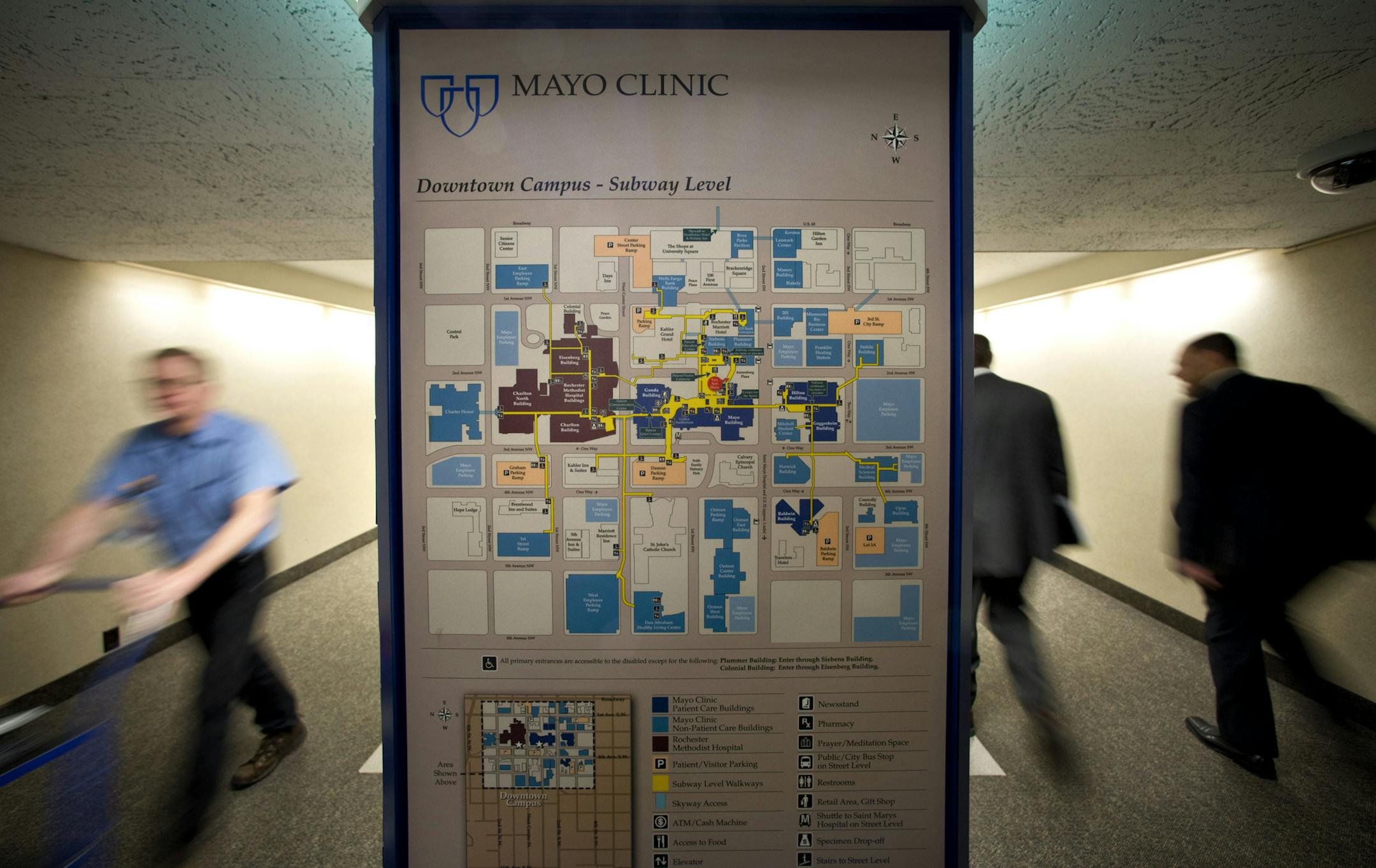
Rochester – At the forum a couple weeks ago to discuss the big news, they did not plan for the mad crush of bodies. They booked a too-small room, and the mob spilled out the door. Open meetings around here are usually a snore, but the surprise announcement of the Mayo Clinic's plan for a Destination Medical Center drew the largest crowd to ever show up for one of these things. Judging by some of the faces, the proposal is especially inviting to the city's growing corps of creatives, culture mavens, biotech wonks, coastal transplants and TED Talk fans. We in Rochester know this is a critical moment that may not come our way again, and it feels close. Nearly everyone in the room wanted this thing to happen.
Chances are the Legislature is going to come around to the DMC idea as well — if not for its merits, simply because of the way privately funded construction budgets with a B in them have a way of focusing lawmakers' minds. The numbers are unprecedented: The plan promises $3.5 billion in local capital investments by Mayo over the next 20 years. It promises $2 billion in Mayo-leveraged private investment in urban living, entertainment, dining, arts and cultural amenities. It promises 30,000 new jobs. The catch: When new tax revenues from this expansion are produced, it asks for 10 percent of those funds, roughly $585 million over 20 years, for roads, sidewalks, parking, transit and sewers needed to support the new buildings.
So it's not a handout, not by any stretch. Mayo is planning on growing faster than the tax base can keep up, and has figured out a novel way to get around the problem. The financial model is a first in the nation.
What's not to like? Critics have objected to diverting any revenues, even hypothetical ones, toward a prosperous city when state revenues are scarce as it is. They object to the granting of special treatment to one employer over others, even if that firm plays an outsize role in the state economy. (With 30,000 employees, Mayo is the largest private employer in the state.)
Others see trouble ahead, given the likelihood of the need for eminent domain or the forced sale of private property through court-appointed means. (To be honest, a lot of buildings in this town make a good case for eminent domain.) One could also ask why the state should subsidize Rochester's new plazas in exchange for new Mayo expansion when the clinic was on track to spend $5 billion over the next 20 years anyway, given its current spending patterns.
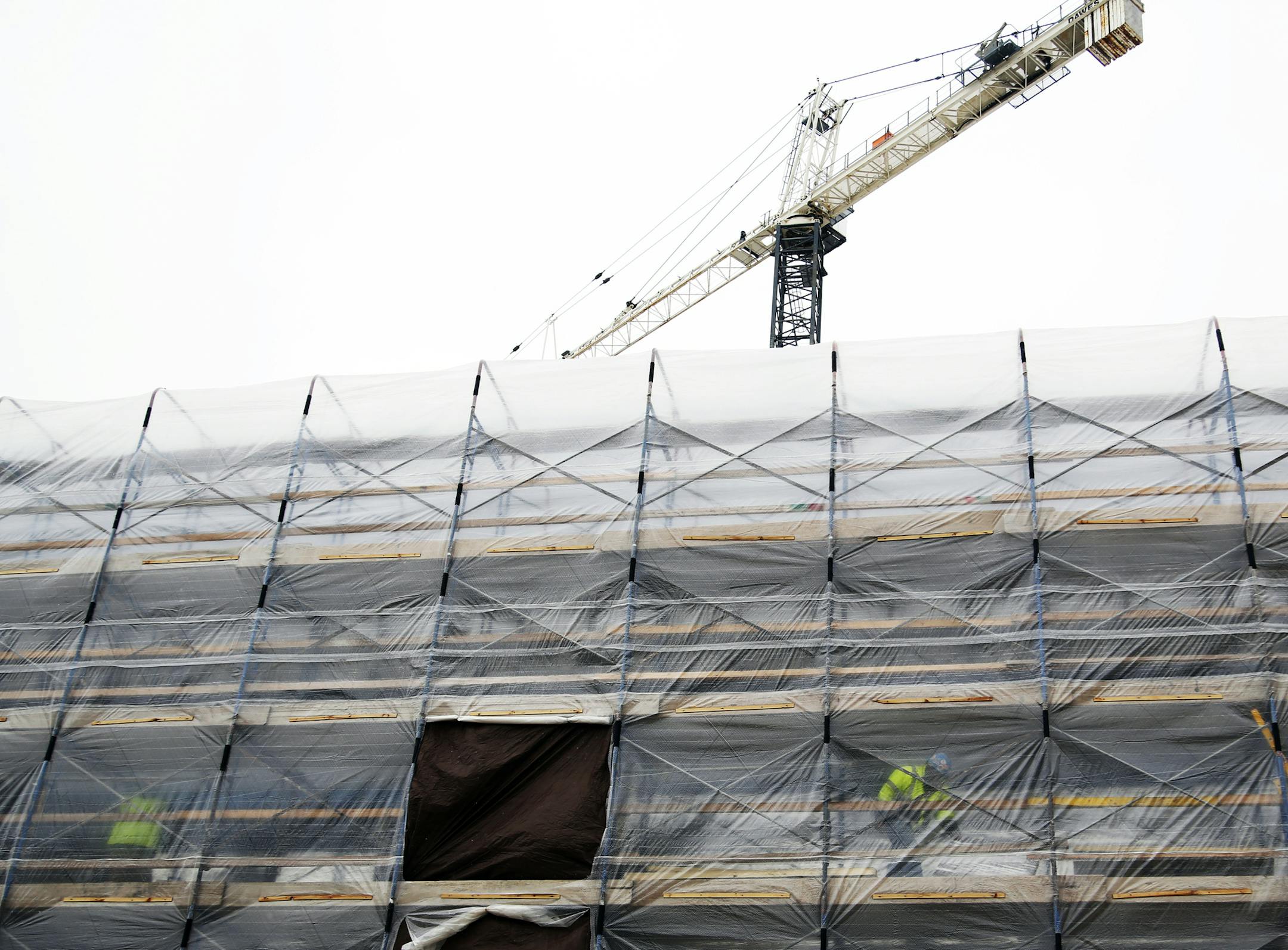
This presumes a bit. Mayo could always build elsewhere (even if last month there were four tower cranes over its two Rochester campuses). The complaint expressed by House Tax Committee chair Rep. Ann Lenczewski that the project is a "massive public subsidy" that will somehow cause "a tax increase for everyone else" is consistent with her view on projects like this in the past. But it doesn't track with the reality of the bill.
The state loses no money; it only gets less new money. She is essentially complaining about getting a little bit less of funds the state was never going to get in the first place.
Now there's an argument to make a Democrat wince.