

A few decades ago, during what were for me idler times, I used to play a rudimentary version of a computer game called "SimCity." You'd start with an unspoiled expanse of land and, block by block, develop your vision. You had to work within a budget, but if you knew the magic keystrokes, you could get around that. There were natural disasters, but if you weren't in the mood, you could turn them off. Ultimately, the thing that made the game frustrating, I recollect, was as follows:
"Voters demand a hospital!"
"Voters demand a stadium!"
Yes, those pesky Sims (as the populace would be called) clung annoyingly to the notion that they should have a say in my city, and what's more, they wanted costly amenities, and what's more, they weren't so very fond of taxes.
I just wanted majestic boulevards flanked by stunning architecture, rugged mountains and pristine waters, with views galore. For heaven's sake, I did not go there to govern.
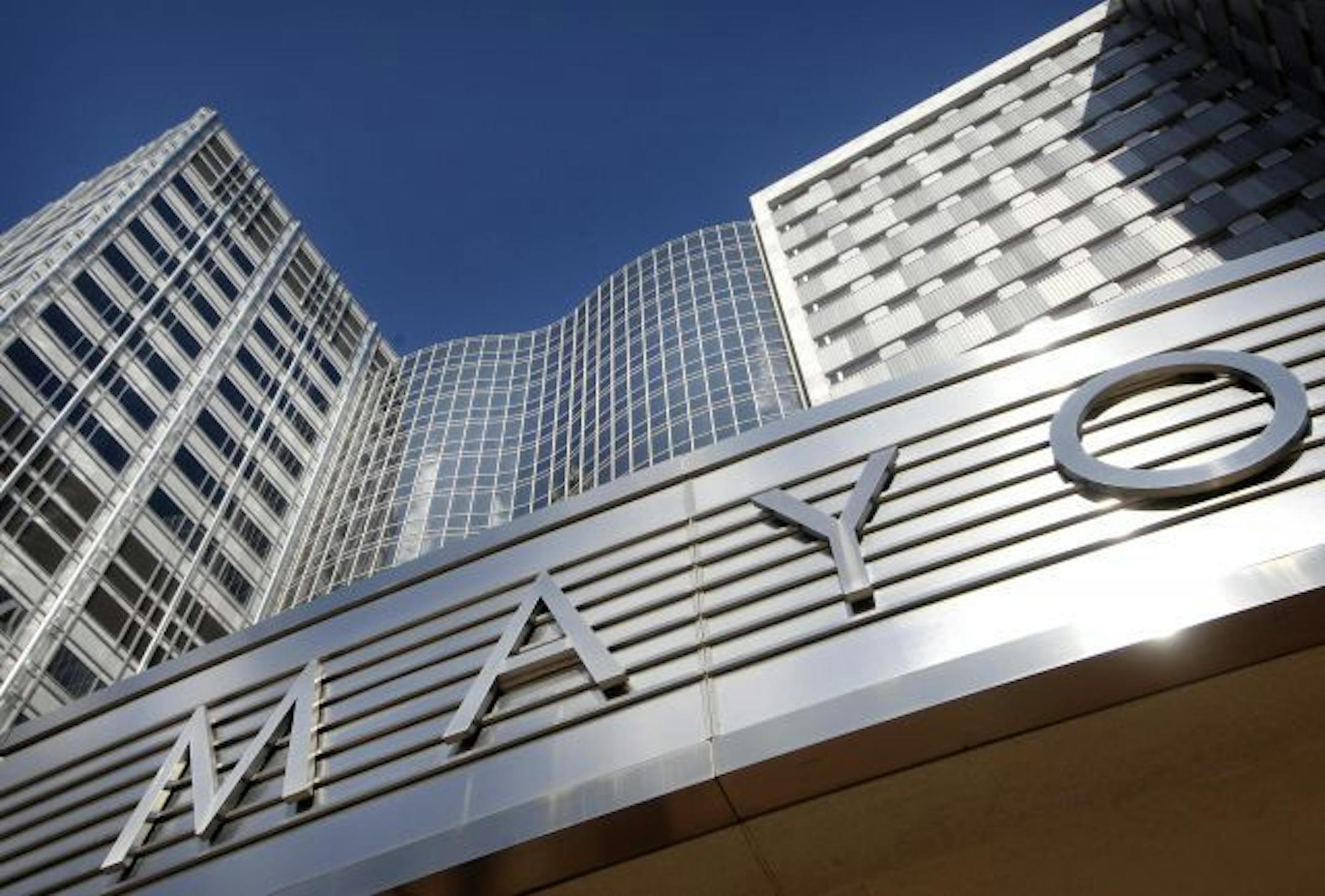
I bring this up because of two items recently in the news: the troubled funding mechanism for the forthcoming Vikings stadium, and the plan for government collaboration that will allow the Mayo Clinic to expand its campuses and capabilities in Rochester.
The former is the gawkable train wreck at the moment, but the latter is of greater interest to me, not least because I worked for Mayo, as an orderly wheeling patients to their X-rays, when I was a teenager on the geographically plainer western spoke of Rochester's regional hub. It was my second steady job, and I liked it, since it paid more than my first as a grocery carryout boy and because the people I pushed around came from all over and were generally friendly. (By comparison, one thing I recall about the grocery store was the training video in which we were asked to react to an image of an angry customer gesticulating with a can of peas. I initially thought it had been exaggerated for learning purposes, but, sadly, no.)
It's hard to take a stand against Mayo's plan. First, the clinic is an institution of which this state can be steadfastly proud. Second, the proposal doesn't call for an outright cash grab; government would improve infrastructure by earmarking future tax revenues brought about by Mayo's growth. Third, among all the world's industries, health care surely is one of the most immune to debilitating change.


