WASHINGTON – Ron Cox's doctor recommended a check for colon cancer when he turned 50. He did not get one. Nor did he get one when he turned 51, 52 or 53.
Maybe when I'm 60, Cox told himself.
Like many people, the uncomfortable preparation and intrusive nature of a traditional colonoscopy put him off.
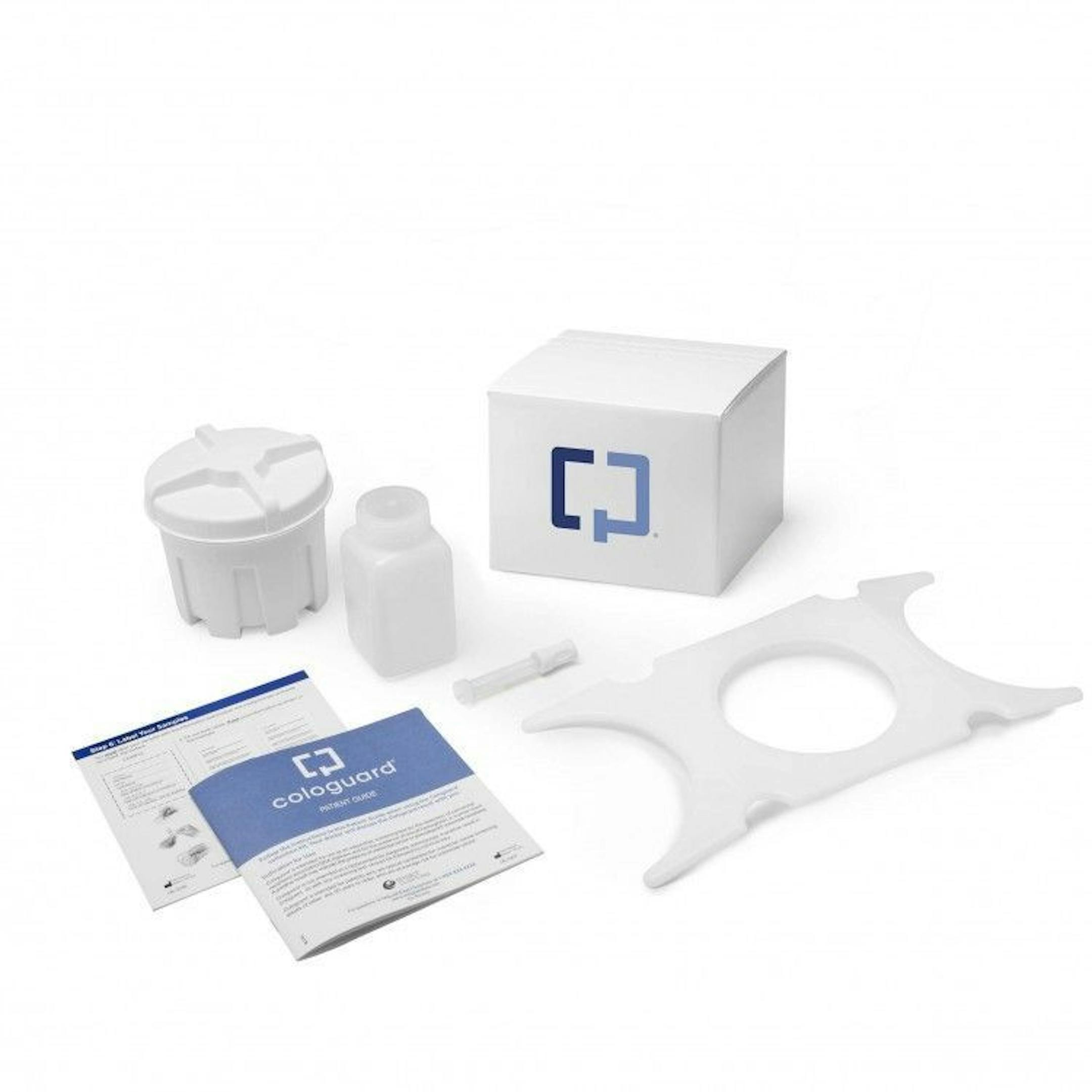
Cox isn't sure he would ever have gotten checked for colon cancer if doctors at the Mayo Clinic had not developed a painless, accurate, noninvasive screening. He took Mayo's Cologuard stool DNA test in the privacy of his bathroom and sent it to a lab for analysis.
"There's no comparison in the real cost of seeing a doctor and pooping in a box," said Cox, an associate dean at Iowa State University's College of Engineering.
Cases like Cox's are one reason Mayo is challenging the U.S. Preventive Services Task Force for not choosing Cologuard as a diagnostic of choice for colon cancer and precancerous polyps.
The other reason is the ability of the Mayo test to screen for colon cancer in communities without access to traditional medical facilities.
The Rochester-based medical institution definitely has a financial interest in getting its new portable test in play for millions of Americans recommended for colon cancer screenings each year. But there's another reason for the urgency. Colorectal cancer is the third-leading cause of cancer deaths in the United States and is expected to take 49,700 lives in 2015.