

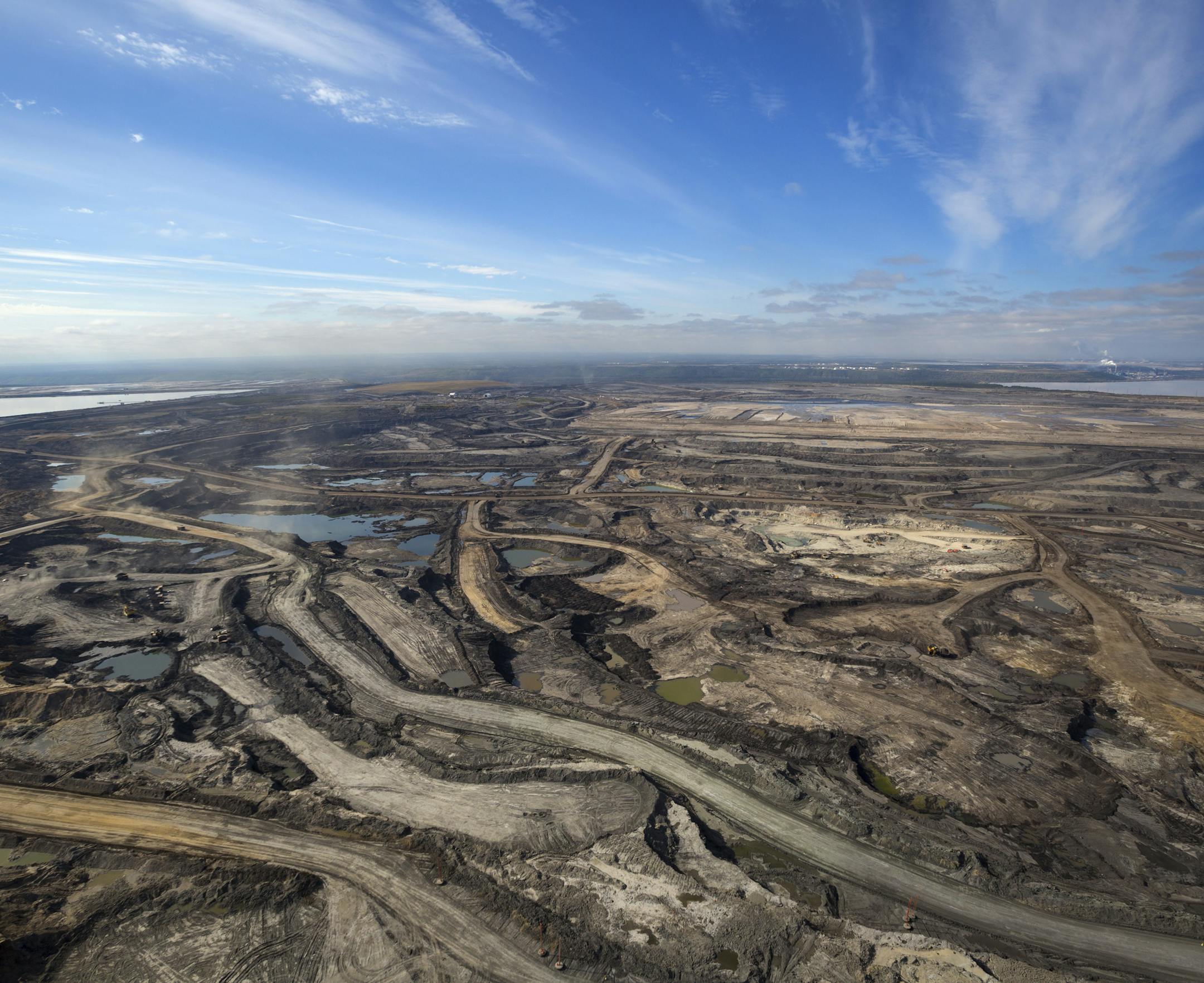
The recent Business Forum article by Winona LaDuke contained a variety of misleading and untrue statements.
First, the correct term is "oil sands" not "tar sands." This is not merely a matter of semantics.
"Oil sands" correctly identifies the product derived from Canada's vast bitumen resources. Further, bitumen and asphalt are separate and distinct compounds.
The article is misleading in claiming, "Tar sands oil is the dirtiest oil in the world." Over the past decade, oil sands producers have been researching, testing and deploying new processes and technologies that directly address emissions reduction and water use.
IHS Markit has produced a series of reports on this subject; the 2018 report indicates the average emissions intensity of oil sands extraction has fallen 21% since 2009.
By 2030, new technologies and efficiencies could result in a reduction of up to 20% in oil sands mining operations. On a full life-cycle basis (emissions from production to combustion), such interventions would place oil sands operations within 2% to 7% of the average emission intensity for oil refined in the U.S.
We further question the use of the word "dirty" to describe Canada's heavy oil production.
If "dirty" is extended beyond emissions to include safety, human rights and rule of law, Canada's oil stacks up pretty well against, say, Saudi Arabia — a major supplier of oil to the U.S. A recent report by BMO Capital Markets, based on data from credible sources (Yale Environmental Performance Index, Social Progress Imperative's Social Progress Index and World Bank's Worldwide Governance Indicators) states, "Oil sands make up just 9% of Canadian and 0.1% of global emissions output. [However] our work reveals that Canadian oil sands have a leading edge in environment, social and governance (ESG) performance within the global industry."




