0:54
0:54Take a guess: On any given Sunday, where do you find the most Lutherans in church?
The answer: Ethiopia and Tanzania.
The two nations, with nearly 8 million and 6.5 million Lutherans respectively, are now the second- and third-largest Lutheran communities in the world. Germany, the homeland of Martin Luther, is still No. 1 with 12 million, but most Lutherans there aren't regular Sunday churchgoers.
The numbers point to the direction of Luther's namesake faith in the 21st century. As the denomination erodes in Europe and the United States, which now has about 4 million members, it's embraced by thousands of new followers each year in countries shaking up the old rituals.
The trend is reshaping congregations in Minnesota, the Lutheran capital of the nation. Africans are bringing rich voices to church choirs, fresh faces to Christmas pageants, and new flavors to potluck dinners. At the same time, Minnesotans are directly aiding the boom, training African pastors, supporting health clinics and schools, and building partnerships between Twin Cities congregations and East African churches.
"People still have a [preconceived] idea of what it means to be Lutheran, especially in a place like Minnesota where so many people identify as Lutheran," said the Rev. Peter Harrits, who oversees 60 Minnesota-Tanzania church partnerships for the St. Paul synod of the Evangelical Lutheran Church in America (ELCA).
As the world celebrates Luther's 500th anniversary this weekend, with countless worship services, choirs and prayers, the German monk's message has captured an unforeseen audience.
"If Martin Luther were alive today, he'd be surprised at what happened to the church carrying his name," said the Rev. Rafael Malpica Padilla, executive director of the ELCA's global ministry division. "Lutheran is not Lake Wobegon."
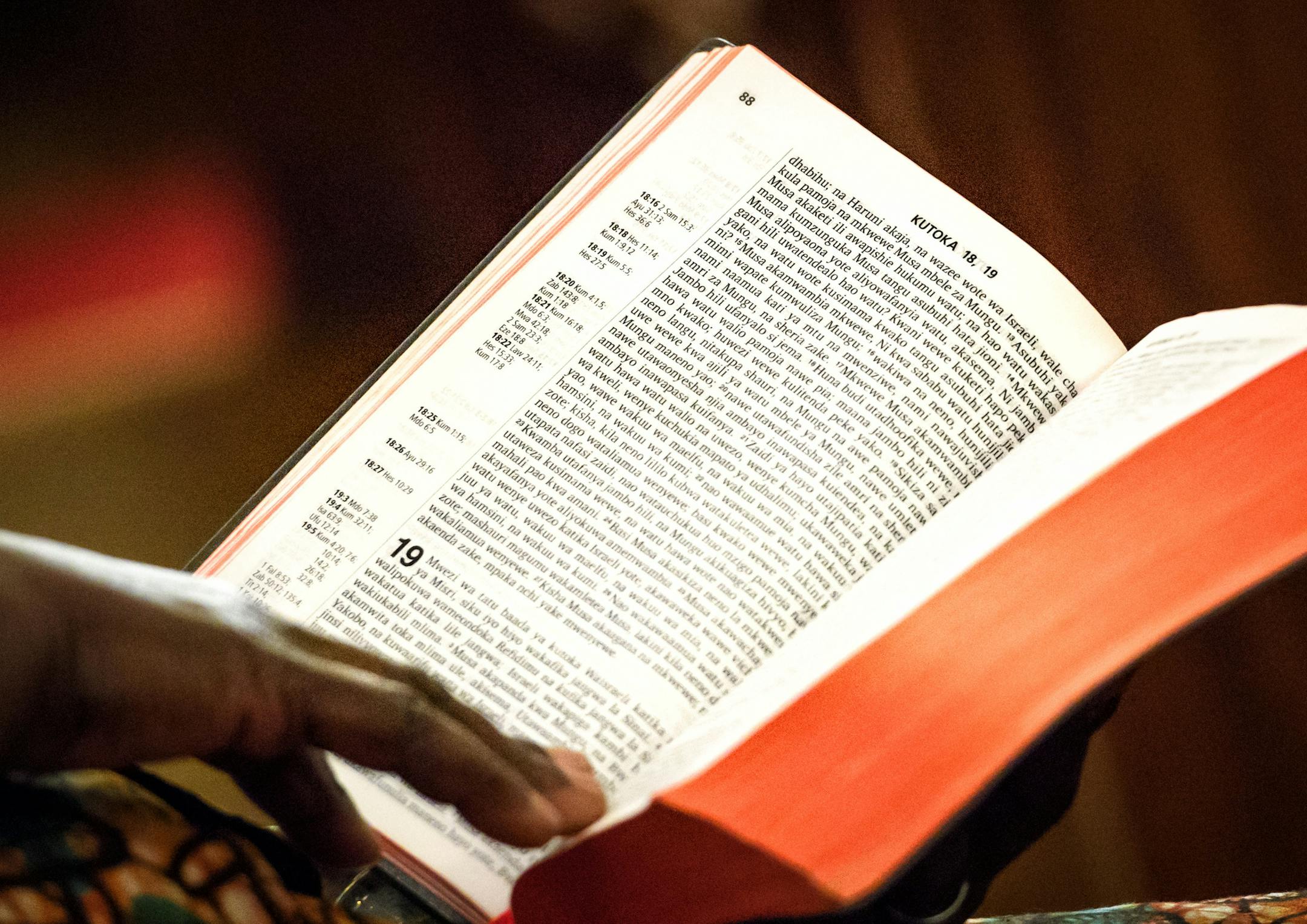
![Kaanasia Msangi, a Tanzanian student studying to be a minister at Luther seminary, served communion. ] GLEN STUBBE ï glen.stubbe@startribune.com Sunday, October 8, 2017 On Sundays at 2, the Minnesota Swahili Christian Congregation meets at Holy Trinity church, Minneapolis. The service and hymnals are in Swahili. The choir is accompanied by an electric keyboard and electric guitar. After the service, parishioners head to the social hall. The Pastor is Andrea Mwalilino.](https://arc.stimg.co/startribunemedia/CDSU6XOTY5N5TJ3K22WQWD6LYE.jpg?&w=1080)