Nineteen years ago, I bought 70 acres of land in central Minnesota. My plan was to create a habitat attractive to a variety of wildlife. Since the beginning, I've had five ponds excavated to attract and hold wetland wildlife, such as ducks and herons. I also have planted food plots that draw deer and other wildlife, improved timber stands by thinning and selective cutting and planted a variety of trees and shrubs, each with a specific intention. The work is rewarding.
Equally rewarding has been landscaping my yard with trees and shrubs meant to attract and hold birds.
I vividly recall the first tree I planted. It was late summer, and a local nursery was selling leftover trees for $10 each. The trees were picked over; the remnants were sorry-looking at best. They conjured up mental images of Charlie Brown's Christmas tree. I sorted through what remained and picked out one mountain ash because it held a small clump of orange fruit.
I brought the tree home and immediately planted it with care. A few days later, a September cold front blew down from the north, driving insects into hiding. From my living room window, I watched in awe as a family of colorful eastern bluebirds ate the fruit from "my" mountain ash. I was hooked.
You don't have to own land to successfully lure wildlife with your plantings, nor do you need to live in the country. Wildlife will respond to your habitat-improvement efforts even if you reside in the heart of a metropolitan area. Now is a good time to plan your bird-friendly backyard-improvement project and order your plants.
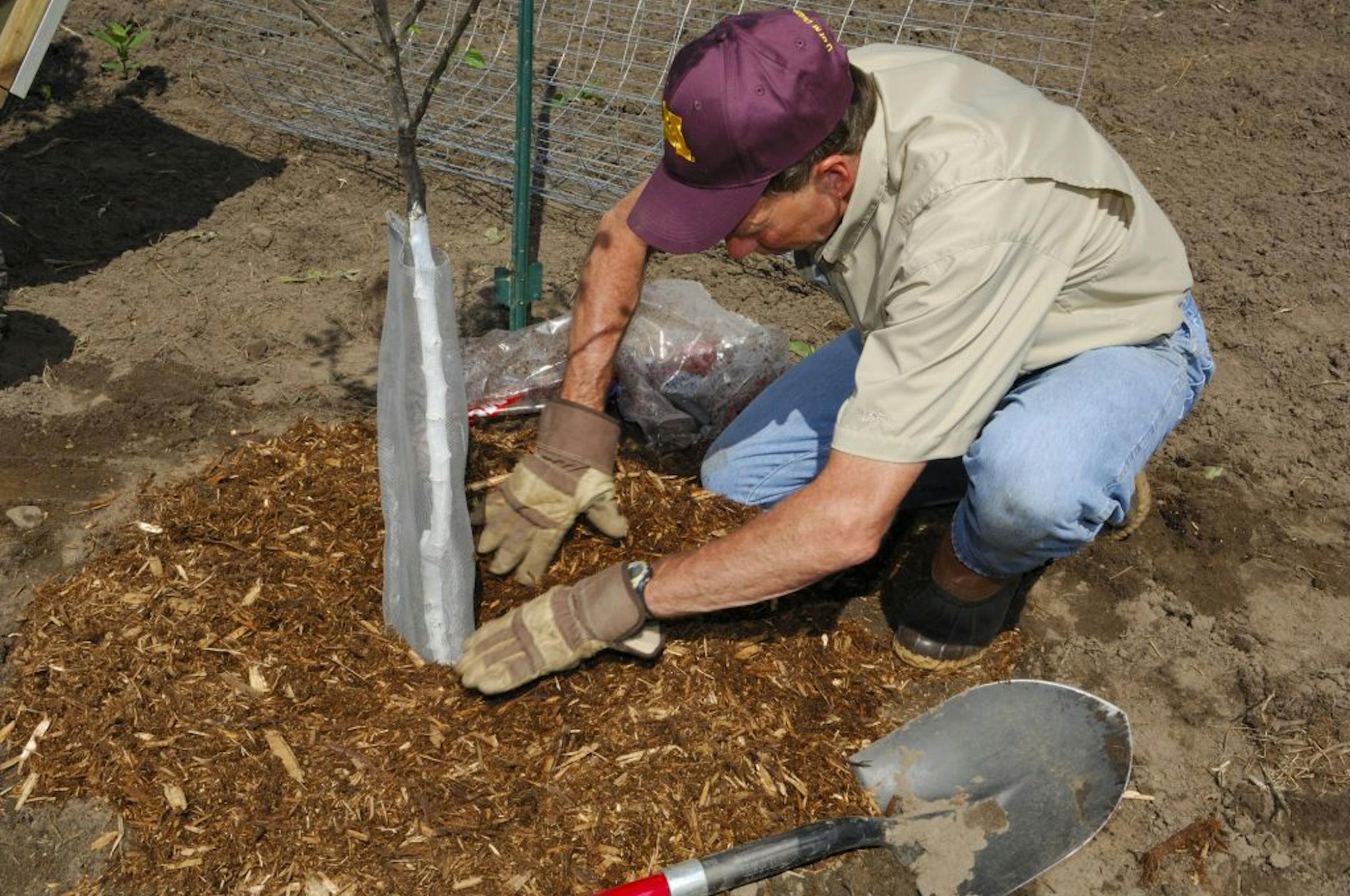
Every spring, I plant a variety of trees and shrubs, each with a purpose. Initially I planted mostly evergreens -- my idea was a future windbreak around the house to buffer bitter winter winds.
The colorful and diverse grove of evergreens now provides a haven for a variety of wildlife that slumber within the protective confines, especially during winter. In spring, songbirds build nests and raise young in the dense foliage. Early nesting birds such as mourning doves and robins have tucked their homes into the protective evergreens even before surrounding deciduous trees have leafed out.
When planting trees and shrubs, concentrate on the species that provide wildlife with not only shelter but also food in the form of fruit or nuts.