2:30
2:30As Minnesota students return to school, healthy living is on the menu and the syllabus.
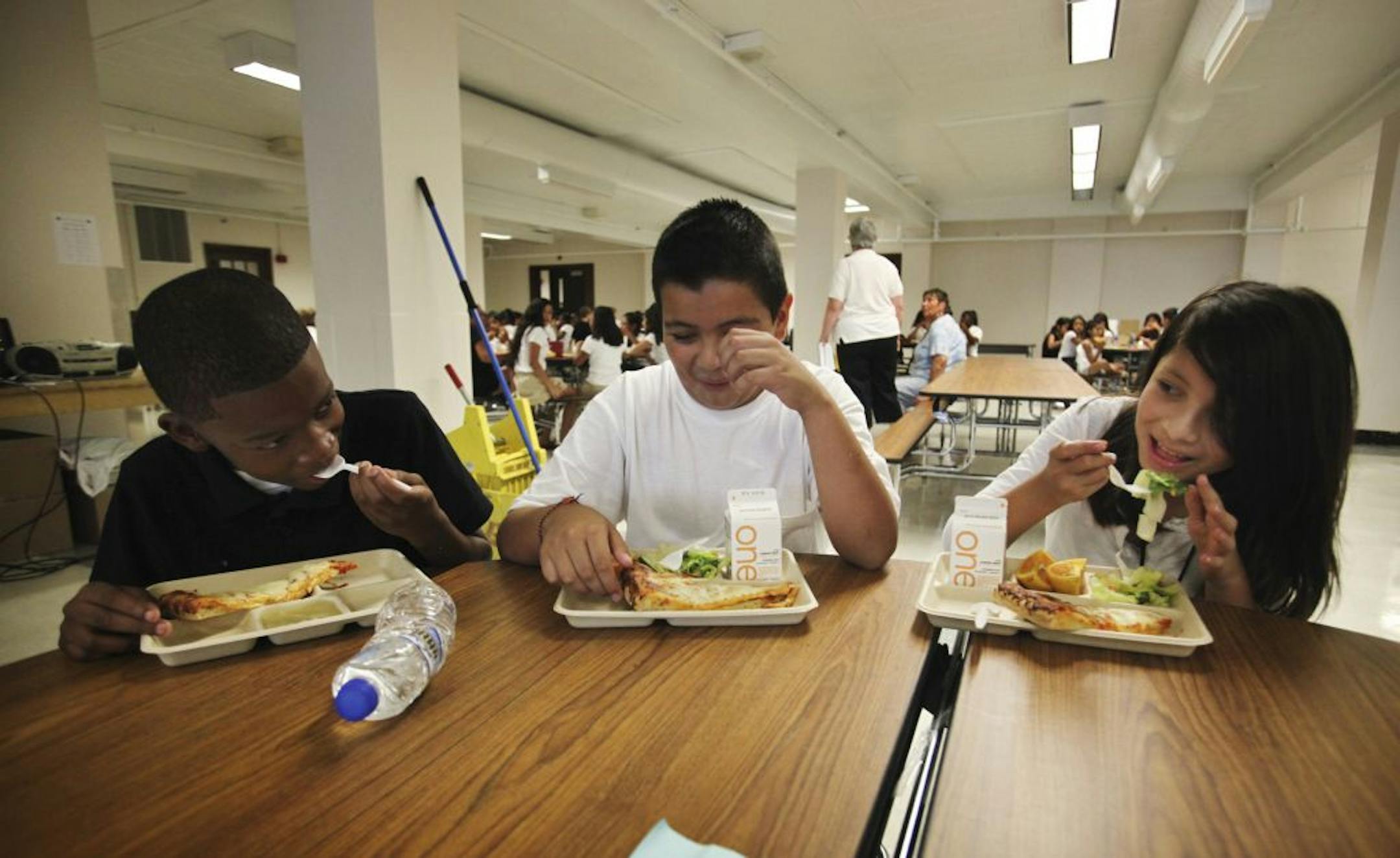
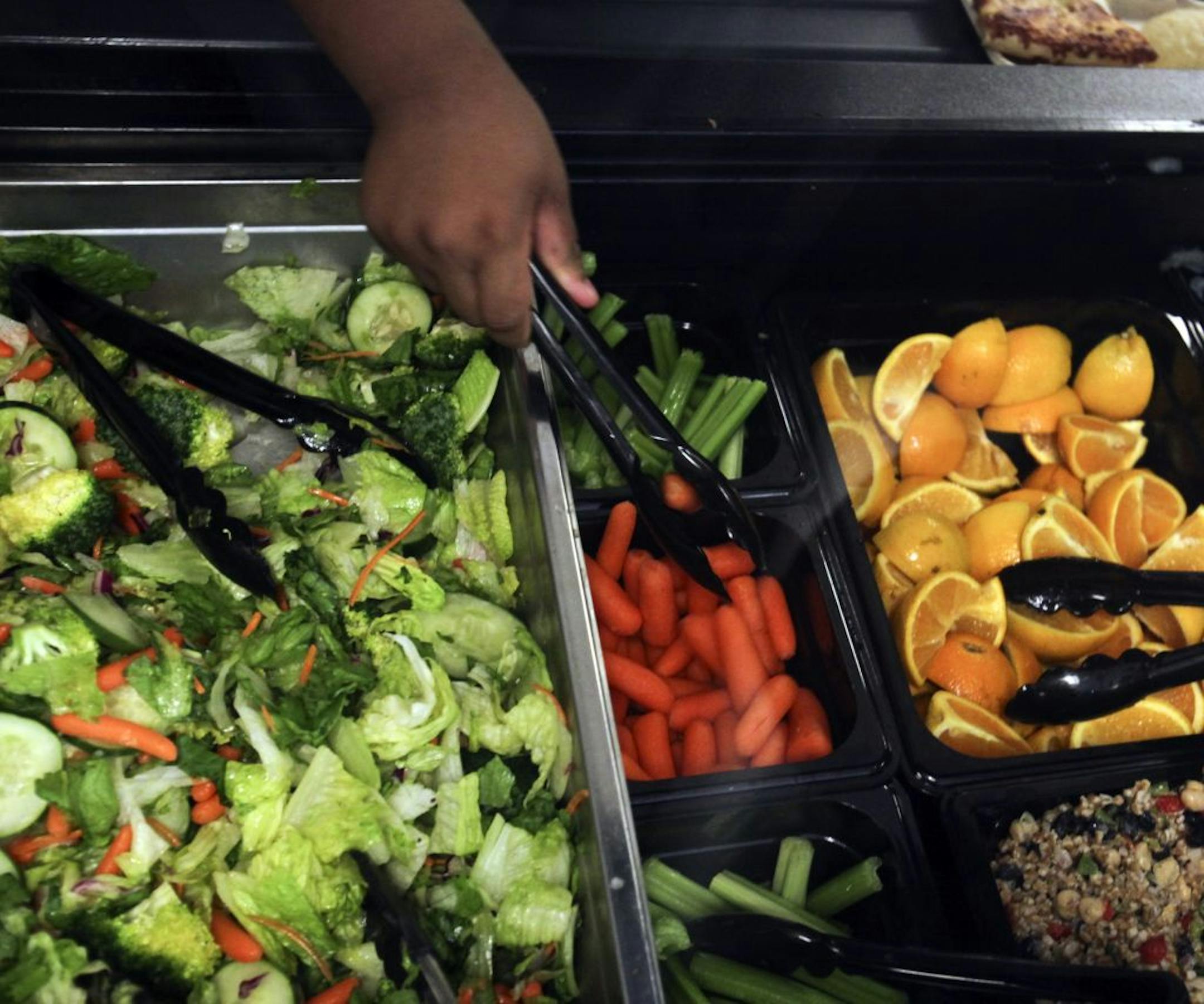
For the first time in more than 15 years, federal school nutrition standards are changing. Cafeterias must offer more fruits and vegetables and cut carbohydrates, meat and calories overall.
Minnesota is going a step further, requiring all districts to adopt minimum physical education standards and issuing optional guidelines for "active recess."
Across the state and the nation, school cafeterias are adding new equipment, retraining staff and overhauling menus to reflect a sea change in school nutrition, just one part of broader recognition of the dual problems of malnutrition and obesity among children. Today, 17 percent of American schoolchildren are obese, and as many as 1 in 5 are at risk for going hungry.
Some parents and educators wonder how well the changes will go over at schools. But supporters say the healthy overhaul is overdue.
"It's just common sense," said Deb Loy, director of Coordinated School Health, a division of the Minnesota Department of Education. "There's a recognition that the quality of the nutrition is important, for kids to get the essential nutrients that their bodies need for brain development, physical development, attention, moods, energy levels, those kinds of things."
Fix it and they will eat
Despite concerns that students won't swap chips for chard, school nutrition experts say they've found the opposite to be true, if kids can choose among several healthier options, help create menus and see foods that are prepared and displayed to look delicious.