

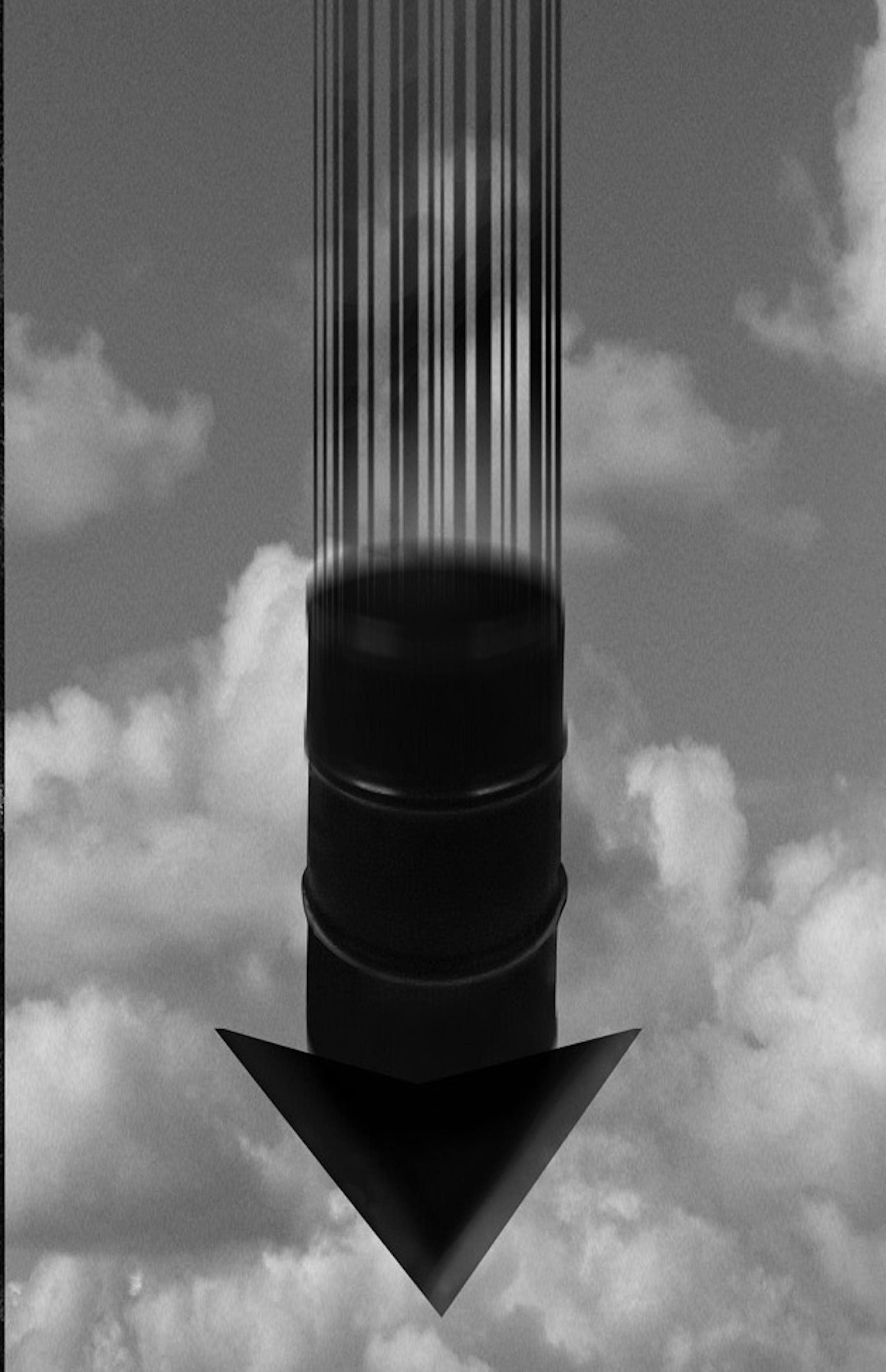
Along with bank runs and market crashes, oil shocks have rare power to set monsters loose. Starting with the Arab oil embargo of 1973, people have learned that sudden surges in the price of oil cause economic havoc. Conversely, when the price slumps because of a glut, as in 1986, it has done the world good. The rule of thumb is that a 10 percent fall in oil prices boosts growth by 0.1 to 0.5 percentage points.
In the past 18 months, the price has fallen by 75 percent, from $110 a barrel to below $27. Yet, this time, the benefits are less certain. Although consumers have gained, producers are suffering grievously. The effects are spilling into financial markets and could yet depress consumer confidence. Perhaps the benefits of such ultracheap oil still outweigh the costs, but markets have fallen so far so fast that even this is no longer clear.
The world is drowning in oil. Saudi Arabia is pumping at almost full-tilt. It is widely thought that the Saudis want to drive out higher-cost producers from the industry, including some of the fracking firms that have boosted oil output in the United States from 5 million barrels a day in 2008 to more than 9 million now. Saudi Arabia also will be prepared to suffer a lot of pain to thwart Iran, its bitter rival, which is poised to rejoin oil markets following the lifting of nuclear sanctions, with potential output of 3 million to 4 million barrels a day.
Despite the Saudis' efforts, however, producers have proved resilient. Many frackers have eked out efficiencies. They hate the idea of plugging their wells only for the wildcatter on the next block to reap the reward when prices rebound. They will not pack up so long as prices cover day-to-day costs, in some cases as low as $15 a barrel.
Meanwhile, oil stocks in the mostly rich-country Organisation for Economic Co-operation and Development (OECD) in October stood at 267 days' net imports, almost 50 percent higher than five years earlier. They will continue to grow, especially if demand slows by more than expected in China and the rest of Asia. Forecasting the oil price is a mug's game, but few expect it to start rising before 2017. Today's price could mark the bottom of the barrel. Some are predicting a trough of as low as $10.
The lower the better, you might say. Look at how cheap oil has boosted importers, from Europe to South Asia. The euro area's oil-import bill has fallen by 2 percent of GDP since mid-2014. India has become the world's fastest-growing large economy.
Yet the latest lurch down is also a source of anxiety. Collapsing revenue could bring political instability to fragile parts of the world, such as Venezuela, and fuel rivalries in the Middle East. Cheap oil has a green lining, as it drags down the global price of natural gas, which crowds out coal, a dirtier fuel. But in the long run, cheap fossil fuels reduce the incentive to act on climate change.
Most worrying of all is the corrosive new economics of oil.


