

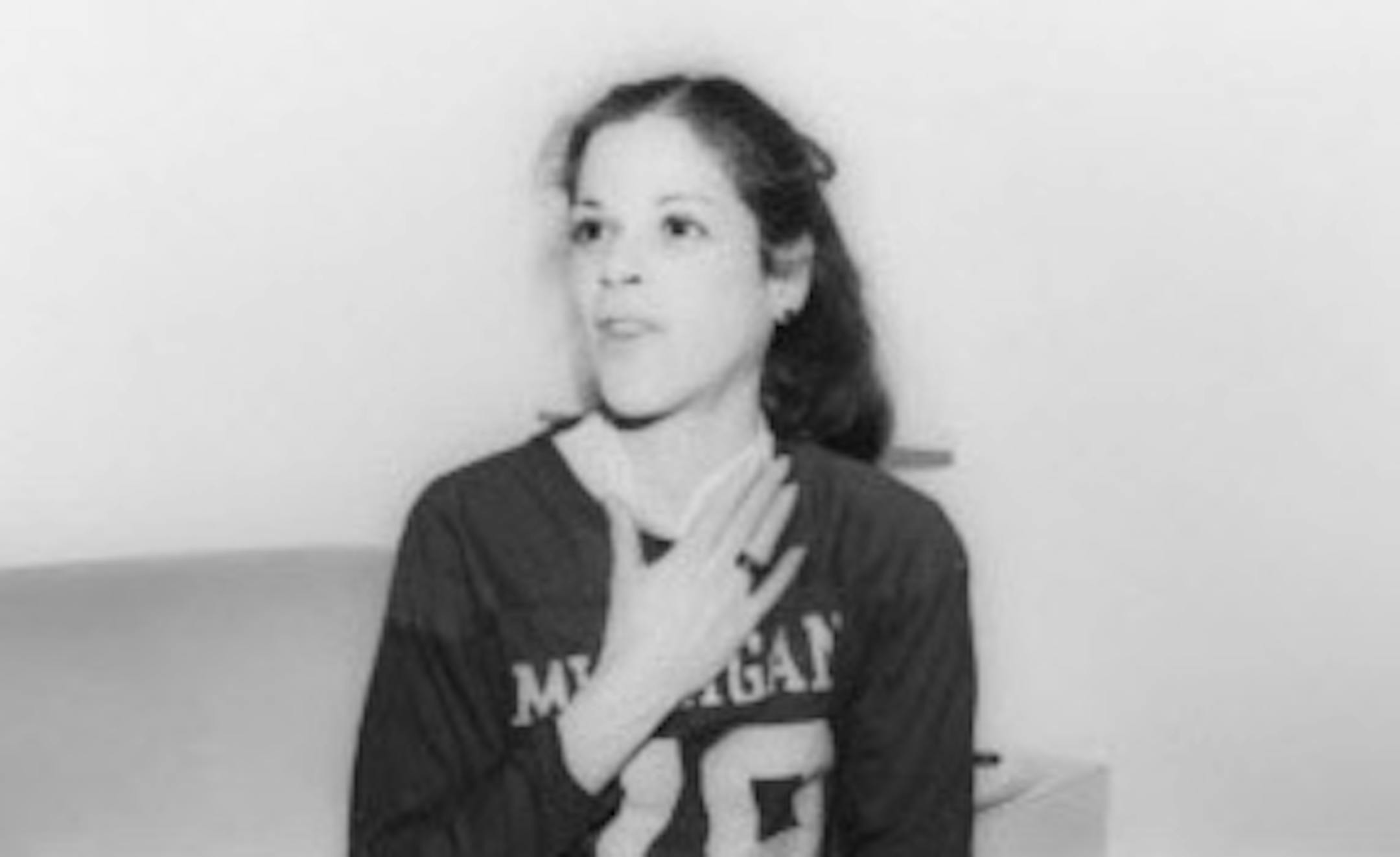
It’s no easy task to find a fresh way to approach a familiar face, but Lisa D’Apolito’s tender and lovely “Love, Gilda” does a wonderful job ushering us through the highs and lows of Gilda Radner’s life.
D’Apolito worked directly with Radner’s estate, which gave her access to a trove of personal information. Despite the fact that this is her first full-length documentary, she uses her archival sources with uncommon dexterity.
Home movies introduce us to a little girl who’s always mugging for the camera, a trait that continues into and after high school and college. We travel with Radner while she moves to Toronto, makes her debut in “Godspell,” and dates an equally mischievous Martin Short. Then we head for New York, after John Belushi calls in 1974 and invites her to be “the girl in the show,” the latter being the “National Lampoon Radio Hour.”
You may know what comes next, but the footage of her “Saturday Night Live” sketches feels as inventive as ever. She was the first performer cast for the show, and it’s joyful to watch her throw her whole self into characters like Roseanne Roseannadanna, Emily Litella and Lisa Loopner.
Lorne Michaels, Laraine Newman and Chevy Chase show up to reminisce, as do former staff writers Rosie Shuster and Anne Beatts. But the film could have used stronger representation from the early days of “SNL”; it’s hard not to miss Jane Curtin, Dan Aykroyd and, especially, Bill Murray (whom she dated during the show’s run).
A broader sense of background might have been helpful, too. Radner was a trailblazer who remains relevant in the Time’s Up era, and it would have been appropriate to further contextualize her status as one of the few women working in comedy in the 1970s.
“SNL” was a notoriously difficult environment for women. But we don’t hear much of this, nor do we learn enough about how she dealt with the challenges of being a pioneer.
One area in which her femininity is given particular charge is in the history of her eating disorders. She was teased for being overweight as a child, and her mother and doctor had her on diet pills before she hit her teens. As she notes in her diary, “Because I’m not a perfect example of my gender, I decided to become funny.”


