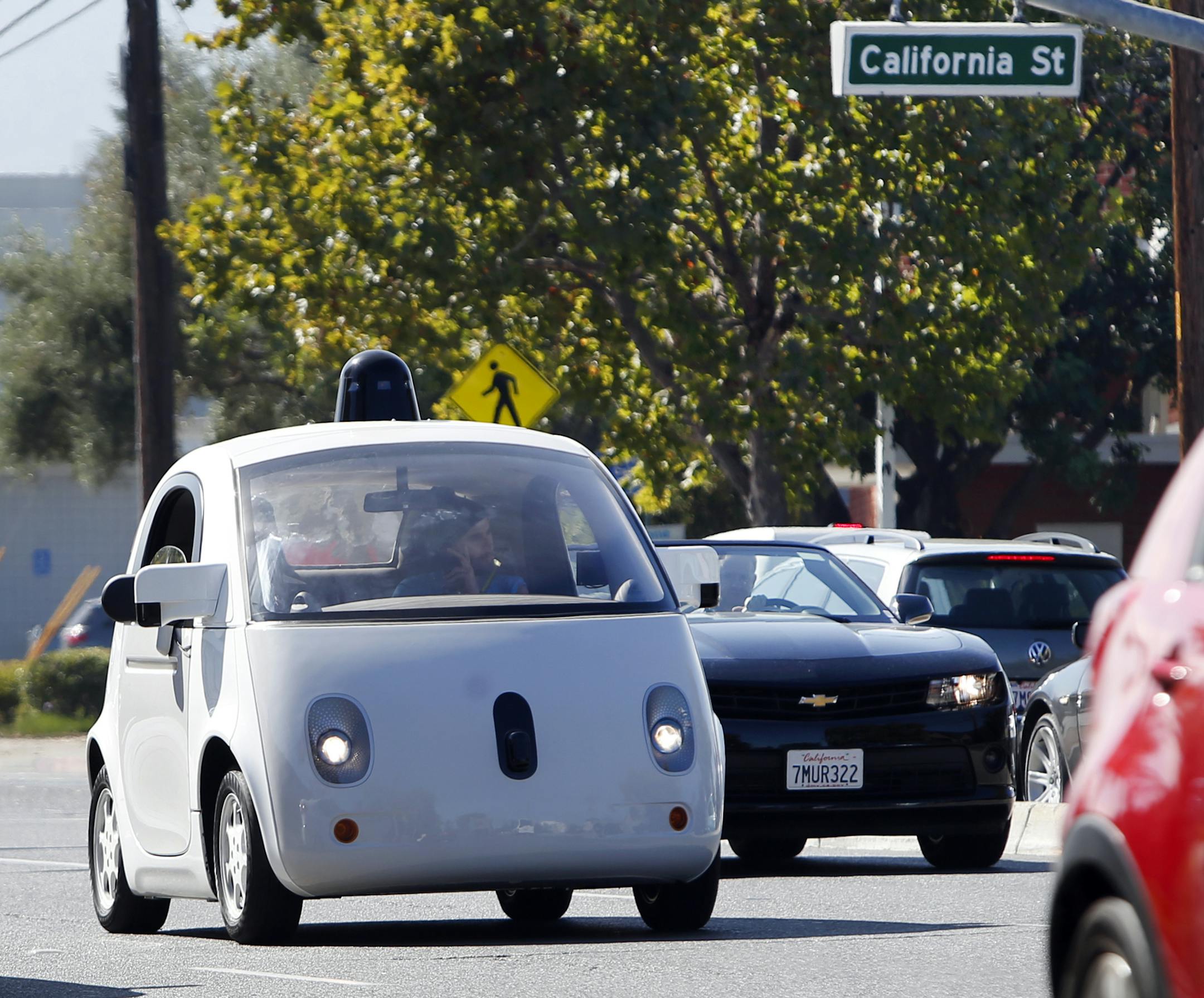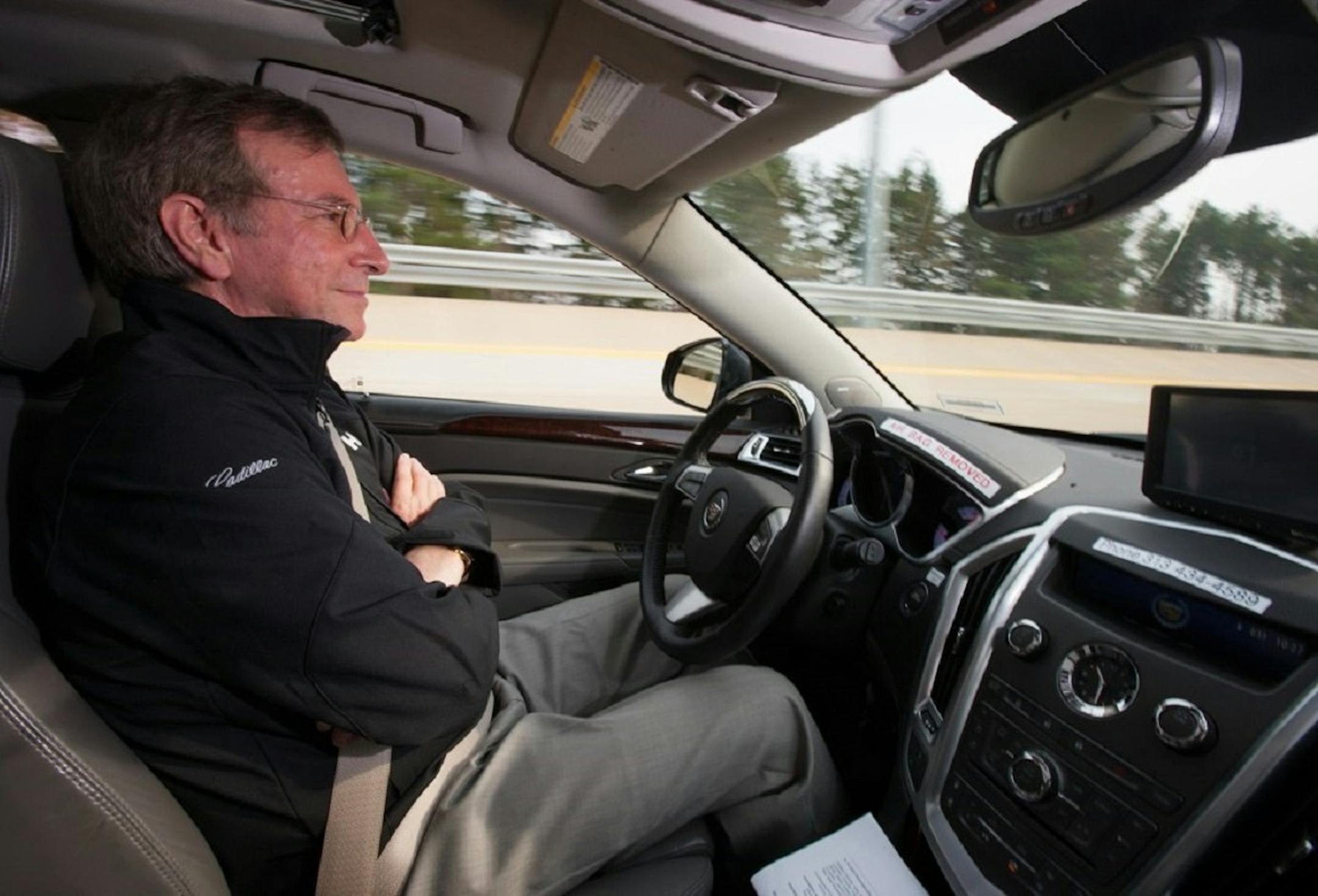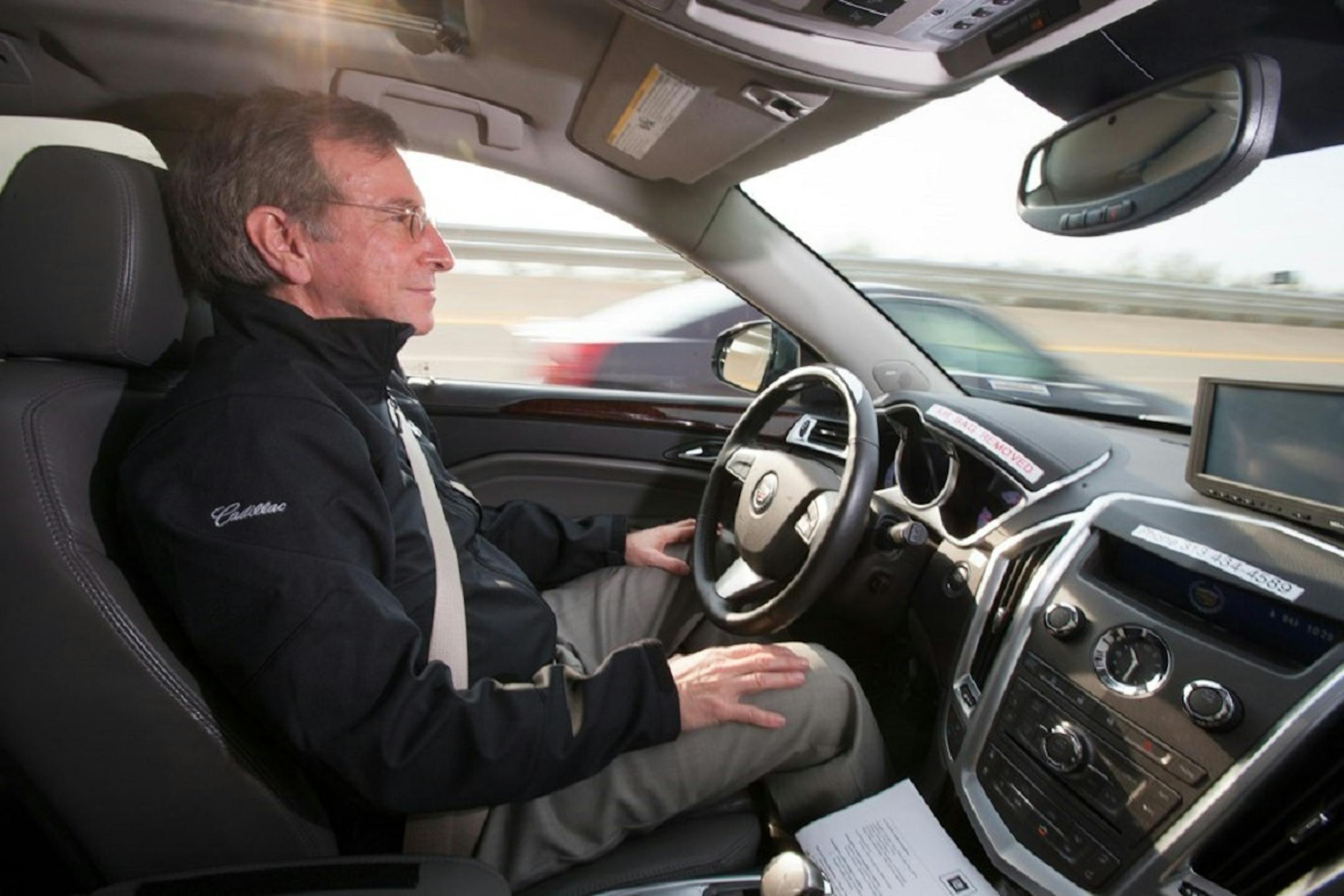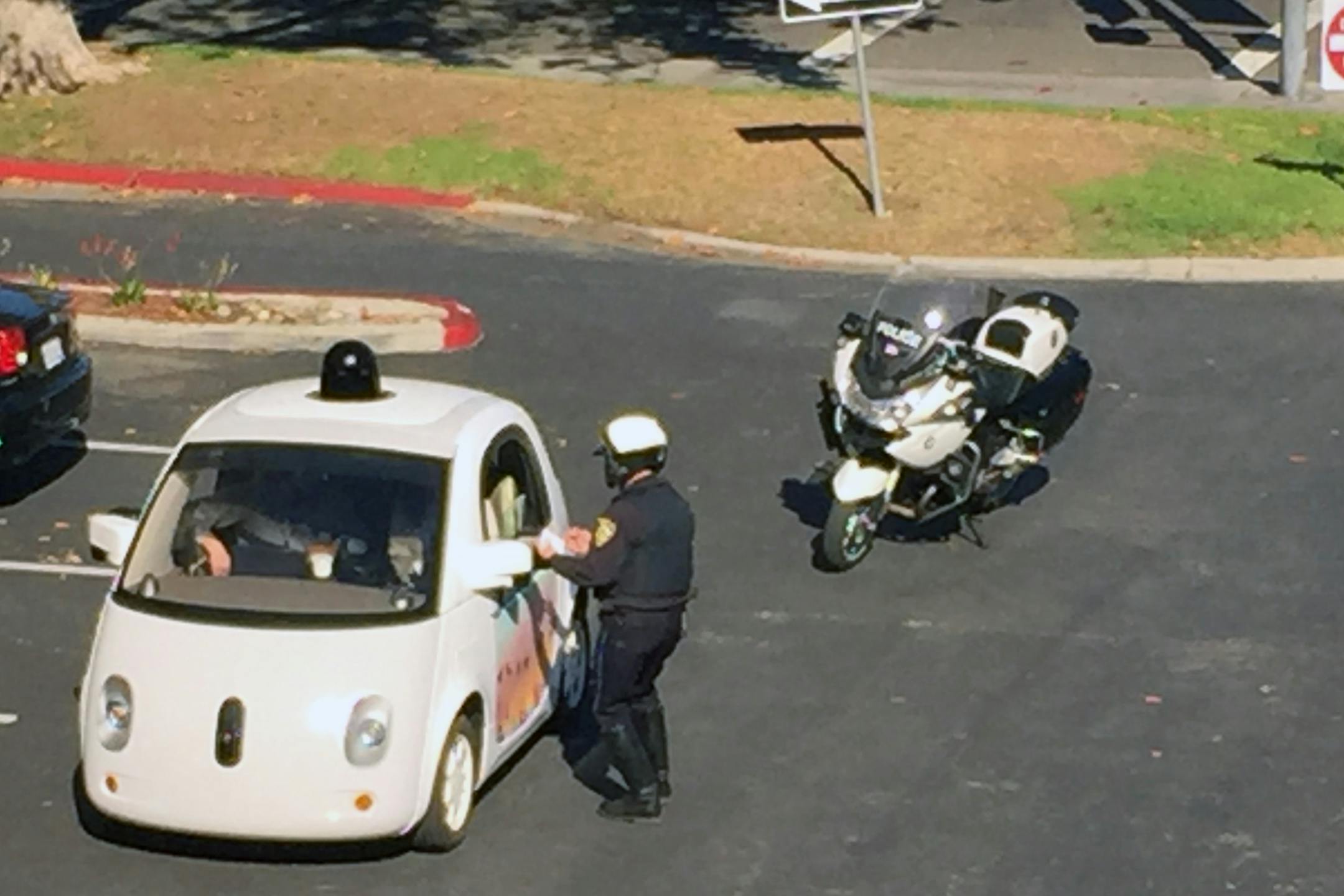
Autonomous vehicles are on the road and being tested — and predictions are that we're moving rapidly toward this reality. We contacted Ron Montoya, senior editor at Edmunds.com, and Jeremy Anwyl, an independent auto industry consultant and analyst, by e-mail to get their take on the issues.
Q: Which states will be more inclined to embrace autonomy first?
Montoya: The states that are most inclined to embrace autonomy early are likely to be the ones that have already been the most friendly and accommodating about allowing testing on their roads: California, Nevada and Michigan.
Anwyl: I would actually see this happening much more quickly in Europe, where governments work much more collaboratively with the European car companies, and the political environment is usually more pragmatic. As autonomous technologies are mainstreamed in Europe, pressure will build for U.S. agencies to get out of the way.
As for the U.S., California probably leads the way. But for the reason I outlined above, there is a big difference between licensing test vehicles — which still require a human "passenger" and moving ahead with fully autonomous vehicles.
Q: What are the obstacles in terms of insurance claims?
Montoya: The biggest question about insurance claims is who is at fault if a self-driving autonomous car causes a collision: the person in the driver's seat or the automaker who built the car? Volvo has said that the automaker should be responsible when the car is in self-driving mode, but not every party involved may take that approach to this complicated issue.
Anwyl: In most states, "no fault" insurance is in place already. Insurance companies, who have very clear thinking when it comes to claims costs and premiums, should be big advocates for autonomous vehicles — at least in the short term. (As autonomous vehicles reduce the number of vehicles in private ownership, this may also put pressure on insurance companies to reduce costs as their customer base dwindles.)