

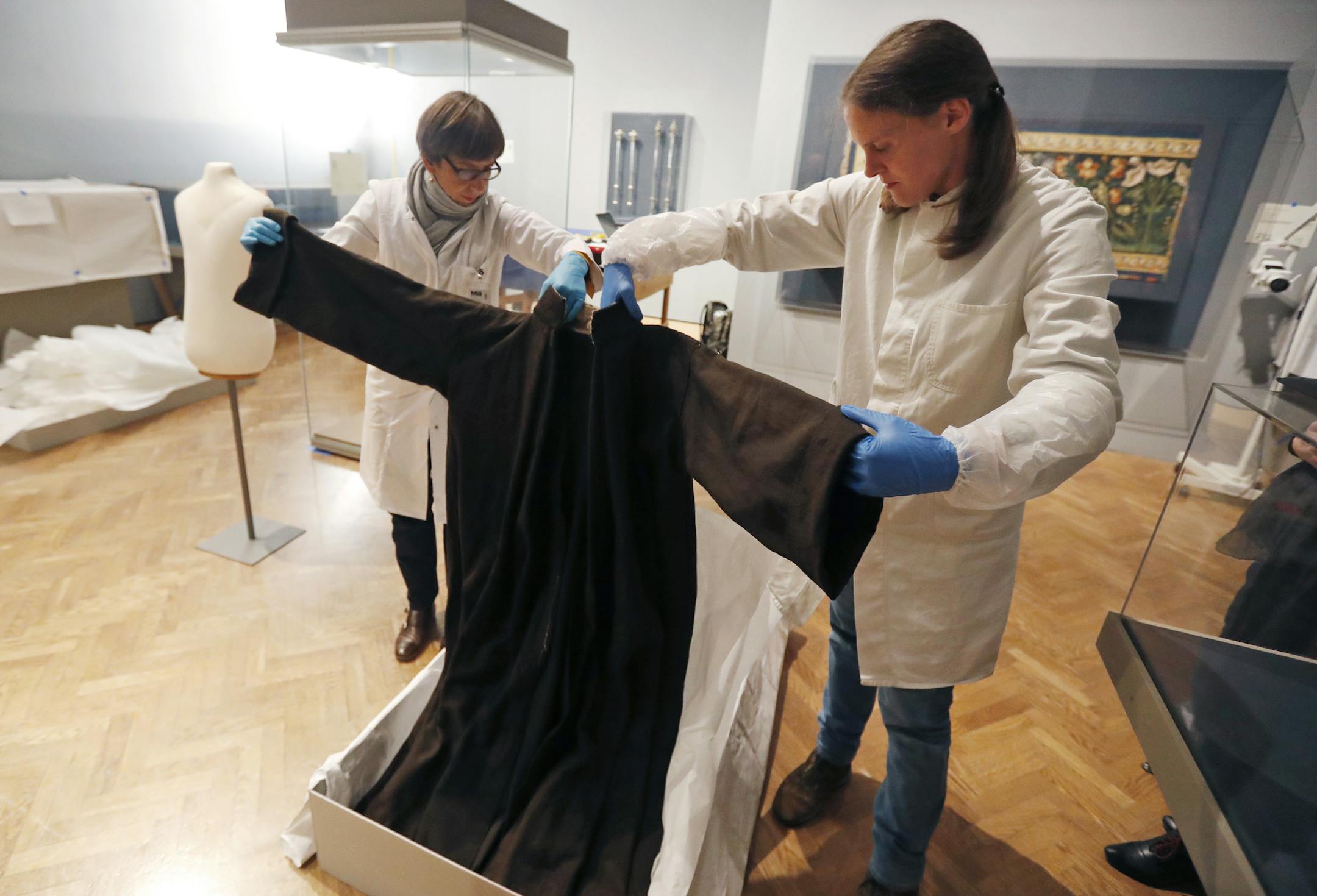
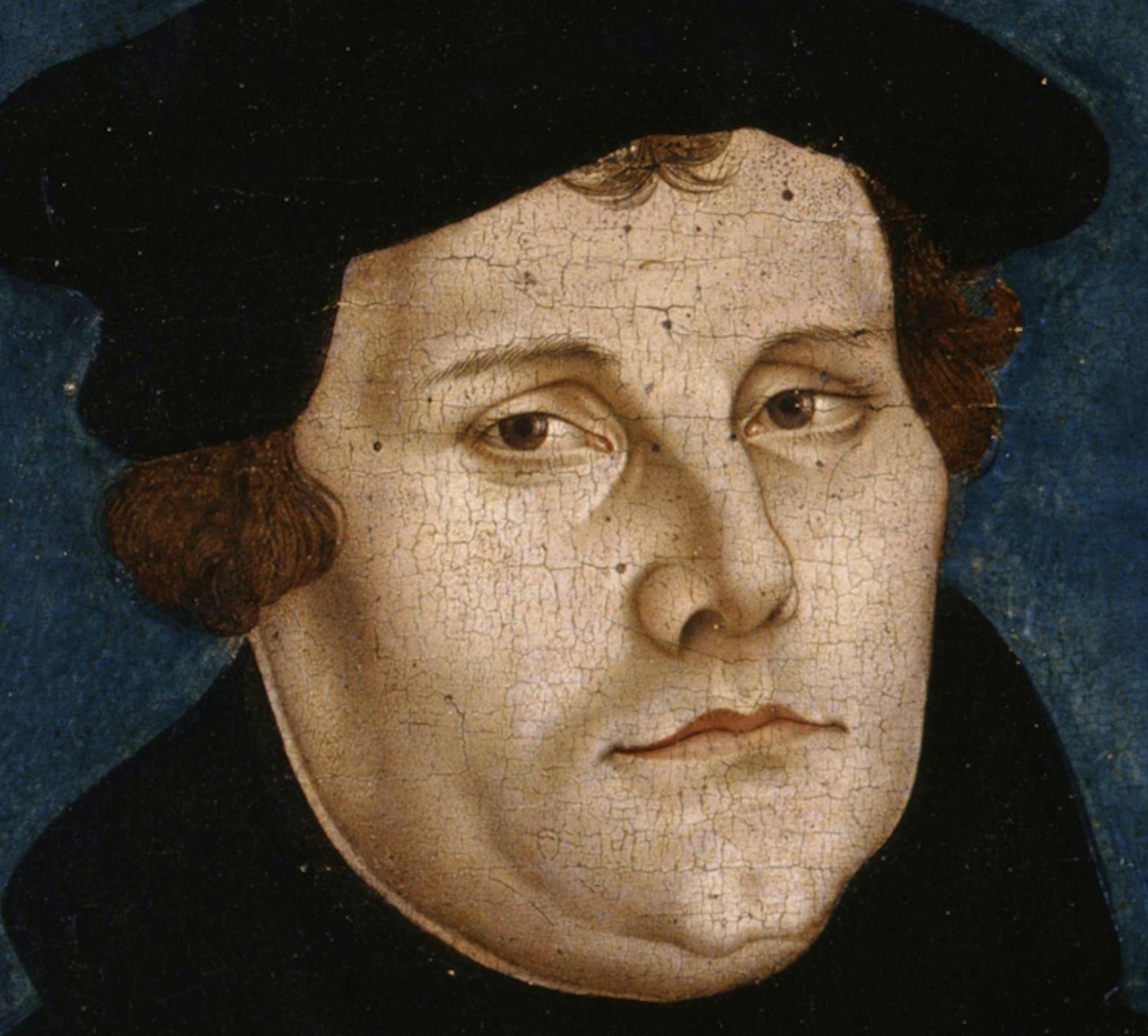
The pulpit where Martin Luther preached his final sermon. His writing desk and beer mug. Clay marbles he may have played with as a child. Even an early copy of his historic "95 Theses" that inspired the religious faith now embraced by an estimated 1 million Minnesotans.
For 500 years, these items and many other personal possessions had never left his homeland in Germany, but beginning Sunday, they will be showcased at a Minneapolis Institute of Art exhibit. German officials say it is the most significant collection of art and artifacts ever assembled that illuminate the famed (and infamous) theologian's life and times.
"If you want to know about Martin Luther, there's only one place to come — Minneapolis," said Gunnar Schellenberger, secretary of state for Culture in Saxony-Anhalt, one of a dozen German officials at an exhibit preview last week.
Three years in the making, the exhibit opens on the eve of the 500th anniversary of Luther's Protestant Reformation and a worldwide celebration of a religious denomination that has shaped the culture of Minnesota.
"This is an examination of a time and place when one man's opinion shredded the social fabric of Europe," said Tom Rassieur, exhibit curator at the MIA.
The exhibit weaves together an array of paintings, personal items and recent archaeological finds from across Germany that bring to life Luther's pivotal role in the turning point of history known as the Protestant Reformation. It is the first — and likely only — time the collection will be displayed.
Minnesota wound up as host because of its Lutheran population — the largest in the nation — and because it is home to the MIA, an influential museum that German cultural leaders were eager to work with.
"This is a unique combination of objects that will probably never be seen again," said Tomoko Emmerling, project coordinator for the German State Office for Heritage Management and Archaeology, Saxony-Anhalt. "They follow Martin Luther throughout his life from his childhood to monk, to theology professor, to bestselling author, to his death in Eisleben."
![A 1517 copy of the 95 theses written by Luther, which triggered the protestant revolution, seen at The Minneapolis Institute of Art Thursday October 27, 2016 in Minneapolis, MN. ] First exhibition marking 500th anniversary of Martin Luther's "Ninety-Five Theses" opens at the Minneapolis Institute of Art October 30. Jerry Holt / jerry. Holt@Startribune.com](https://arc.stimg.co/startribunemedia/W5BJY5IWBFPFMYSNQ377OG6JUA.jpg?&w=1080)
![A lock box for money that Catholics paid for "indulgences''. at The Minneapolis Institute of Art Thursday October 20, 2016 in Minneapolis, MN. ] First exhibition marking 500th anniversary of Martin Luther's "Ninety-Five Theses" opens at the Minneapolis Institute of Art October 30. Jerry Holt / jerry. Holt@Startribune.com](https://arc.stimg.co/startribunemedia/M4M3KLA5ESS7L6BSOUKOPBC4PY.jpg?&w=1080)
![MIA museum's curator Tom Rassieur left talked about the Tomb of County Hoyer VI of Mansfeld-Vorderot at during a media tour at The Minneapolis Institute of Art Thursday October 27, 2016 in Minneapolis, MN. ] First exhibition marking 500th anniversary of Martin Luther's "Ninety-Five Theses" opens at the Minneapolis Institute of Art October 30. Jerry Holt / jerry. Holt@Startribune.com](https://arc.stimg.co/startribunemedia/JWDAYVFU5BOAIHRL5H6GRN2Y6Y.jpg?&w=1080)


