

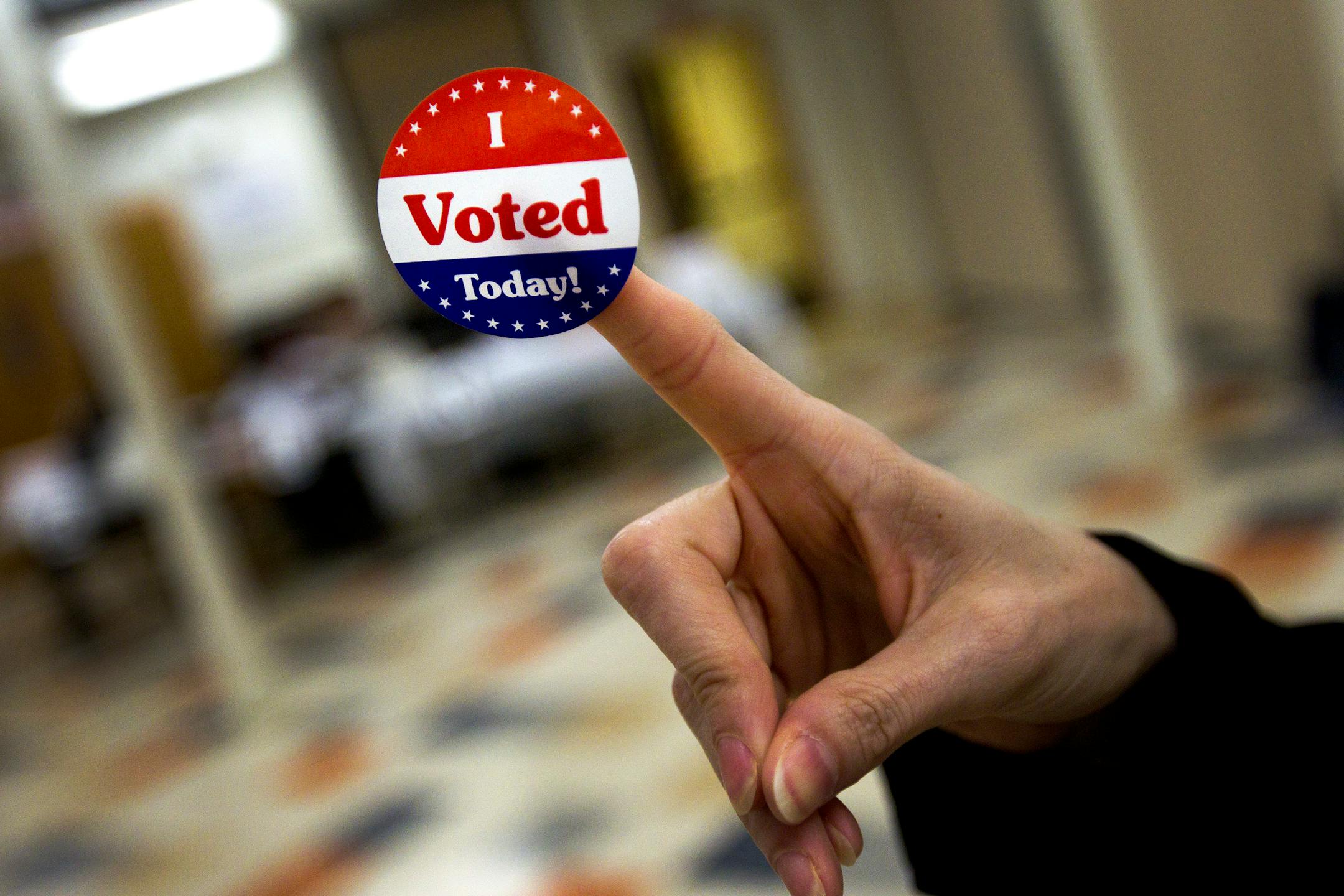
After an intensely partisan yearlong debate, the Minnesota Legislature has turned the future of the state's election system over to the public, which will vote in November on a constitutional amendment that would require voters to show a government-issued photo ID, establish a new "provisional" balloting system and eliminate election day "vouching."This is an extremely important decision, one deserving a thoughtful public discussion over both the costs and benefits of these new voting requirements. Unfortunately, the debate at the Capitol amounted to a political food fight.
Opponents of the voter ID proposal accused supporters of disenfranchising seniors, college students, minorities and the poor. Proponents suggested that their opponents were simply trying to protect an election system fraught with fraud and open to manipulation. The hyperpartisan rhetoric did little to help inform public opinion.
It is time for local government leaders to contribute to this conversation -- not by picking sides and joining in the partisan battle, but by helping voters understand the issue's complexities.
Let me first lay a foundation of fact:
• Minnesota's local governments do an excellent job of administering fair and open elections, evidenced by the lack of any significant voter irregularity in our state.
• Minnesota has the highest voter turnout rate in the country, a source of state pride.
• Virtually all recorded voter irregularity in Minnesota is due to felons voting, and felons often have proper identification. Both proponents and opponents of voter ID agree that it would not address this issue in any way.
Despite our state's sterling reputation for fair elections, it's clear that a good number of Minnesotans are uncomfortable with the state's unique election-day rules.


