

Minnesota legislators are edging closer to switching the state to a presidential primary for the 2020 election, a rare flash of bipartisan accord during a session marked by sometimes deep divides.
It would be the first time since the days of Bill Clinton and George H.W. Bush that Minnesotans could vote in a primary — rather than a caucus — to select the candidate they want to represent their party in the presidential race.
"The goal is to enhance participation at all levels and throughout the state," Sen. Ann Rest, DFL-New Hope told lawmakers this week.
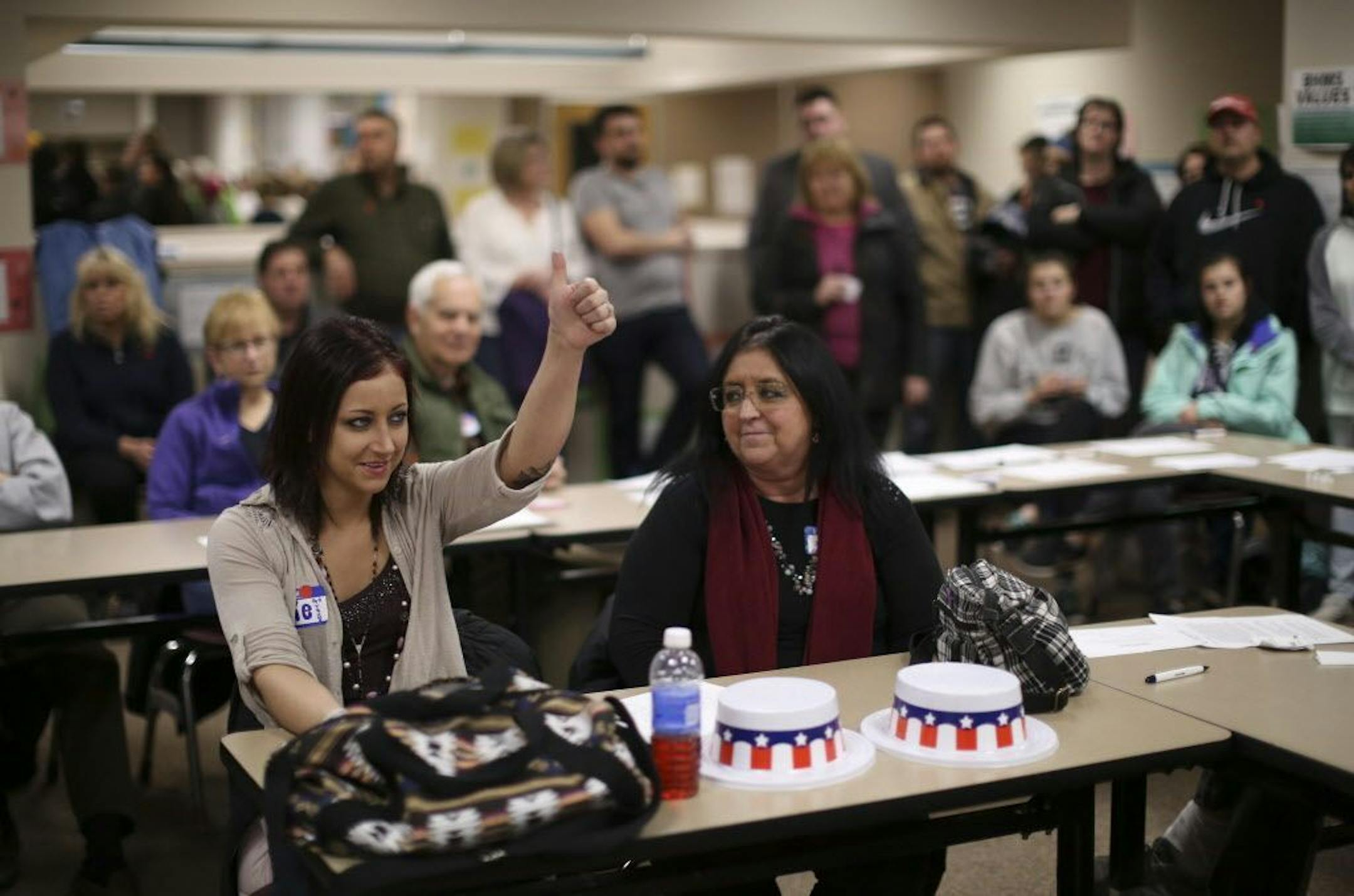
Legislators are debating the move following crowded and chaotic caucuses March 1. Voters weathered long lines, overflowing parking lots and crammed classrooms to cast their ballots for who they wanted to represent their party in the presidential race.
Rest recalled how 300 people showed up to one precinct location in a junior high school classroom with just 30 desks. She said she wants to help the people who couldn't find parking, hire a babysitter, or make the narrow window of time to vote.
GOP and DFL leaders have backed the party-led caucus system, which requires thousands of volunteers that political parties can then mobilize during the campaign.
Switching to a primary would allow voters an entire day to swing by their polling place to vote, making it more convenient and accessible.
The legislation, which also has been introduced in the House, does not repeal the caucus system. It allows Minnesota's GOP and DFL to hold caucuses on a separate day from the presidential primary so that party members can select delegates and discuss party matters.


