

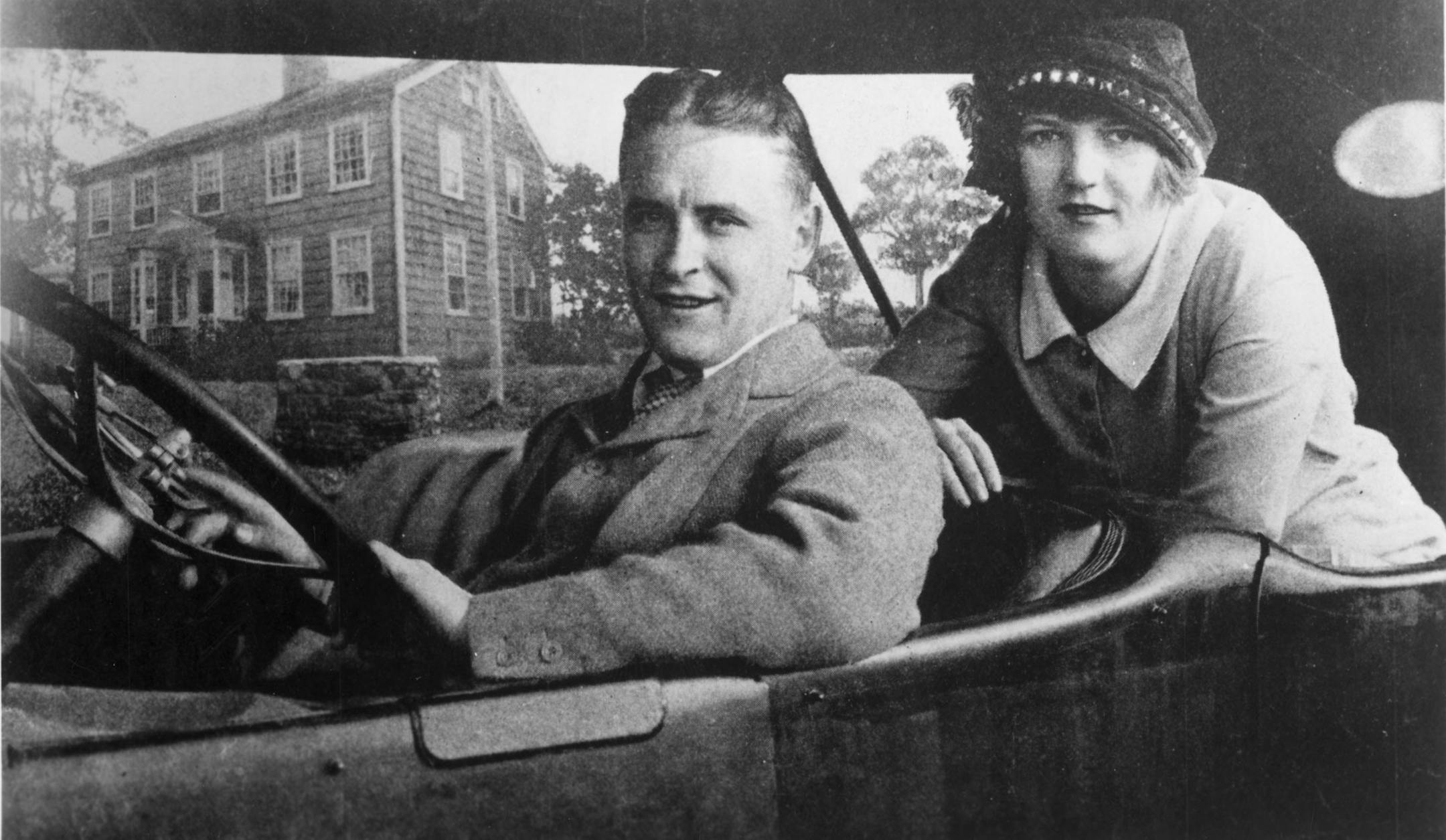
Few, if any, American authors have come to be so closely associated with an era like F. Scott Fitzgerald and the Roaring Twenties.
Funny thing is, despite being that link to a bygone period, Fitzgerald and his work are proving timeless.
With the fourth film adaptation of "The Great Gatsby" opening Friday, the St. Paul native has come, well, roaring back into our consciousness — that is, if he ever actually left.
Plaques still mark two of his childhood homes in St. Paul, nighttime hotspots in the Twin Cities often resemble a scene out of Fitzgerald's flapper-happy, party-hardy heyday, and "Gatsby" remains a high school staple; it is among the novels listed for 11th-graders in the Common Core State Standards adopted by 46 states.
That makes sense, according to Fitzgerald chronicler Patrick Coleman. "I was once told by an English teacher that this is the quintessential book to give high school kids," said Coleman, acquisitions librarian at the Minnesota Historical Society, "because everybody in high school is trying to be somebody else, they're trying on this disguise. So [a similarly masquerading Jay Gatsby] naturally resonates with adolescents."
It doesn't hurt, Coleman added, that the novel "is just so beautifully written, those sentences are stunning sometimes, and that's what prompts these revisits to the big screen."
The latest celluloid iteration finds Leonardo DiCaprio succeeding Robert Redford (1974), Alan Ladd (1949) and Warner Baxter (1926) in the title role.
The timing of this release, as well as the 1974 release during the Watergate/Vietnam/oil crisis era, is no coincidence, said Macalester English Prof. James Dawes.


