

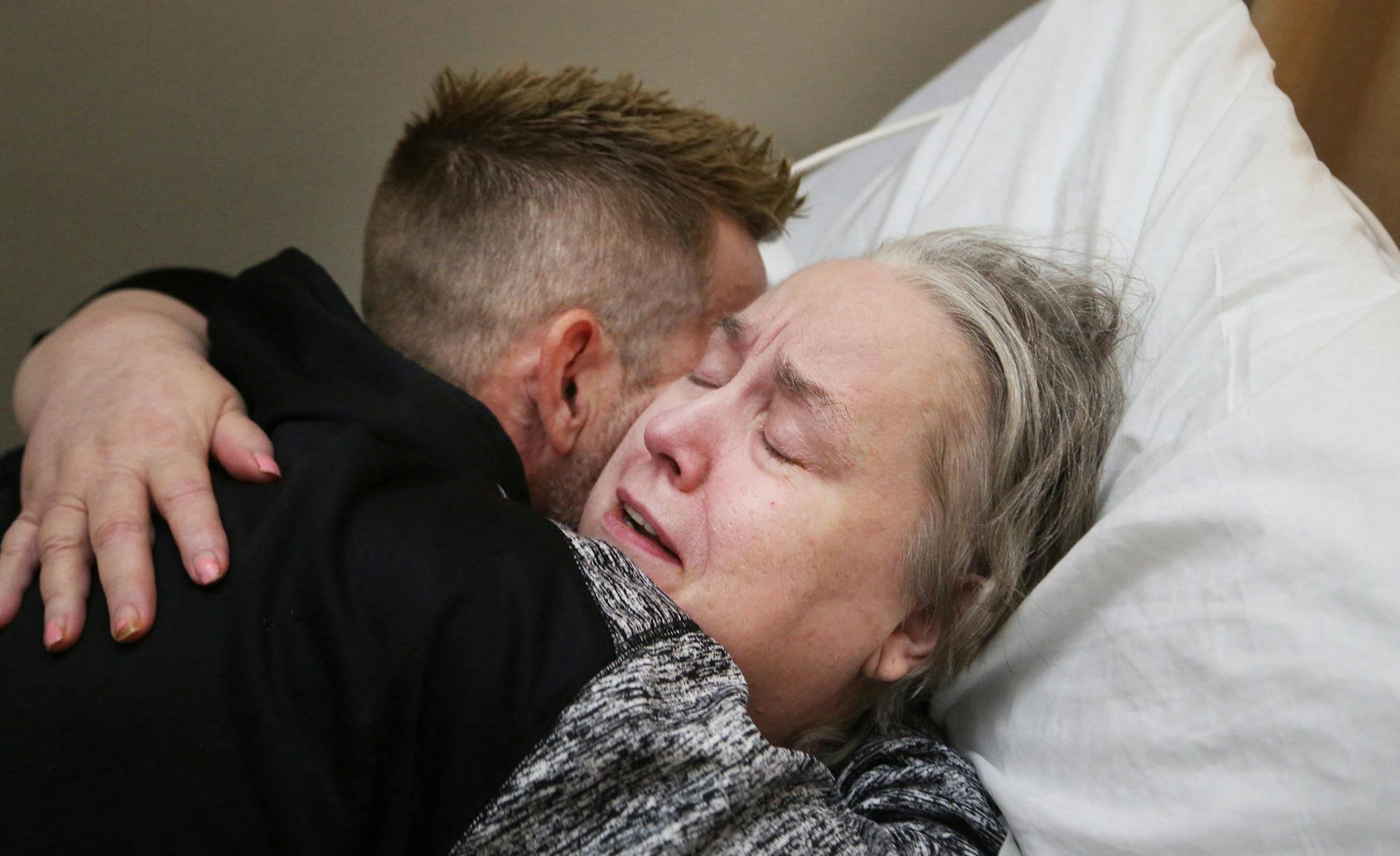
The Star Tribune's series on elder abuse is a heartbreaking and troubling read ("Left to suffer," Nov 12-16 ). We are saddened by the experiences shared by victims and families. The series detailed a number of horrific stories of abuse and neglect that occurred in some nursing homes and senior living facilities across Minnesota, and it described a response system that is failing some of our most vulnerable adults.
As advocates for older and vulnerable adults and victims, we too are concerned about the administrative and criminal justice systems' responses to victims of abuse. We find this crisis to be wholly unacceptable, and that is why we and others have been working and advocating for change.
We believe that a strong regulatory system and a well-funded Office of Health Facility Complaints (OHFC) are necessary to respond to allegations of abuse in facilities and to prevent future abuse from occurring. Last legislative session, we supported the increase in OHFC funding that ultimately doubled the number of staff members charged with investigating allegations of abuse of vulnerable adults in licensed facilities. Additionally, the Office of the Legislative Auditor is engaged in an extensive review of OHFC, with its report due in early 2018.
While this increased funding is critical, funding alone will not solve this crisis. We believe systemic reforms are still needed and urge the governor and lawmakers to support them.
We propose the following changes:
Allow families access to reports: Current law prevents vulnerable adults and their families from learning of reported abuse of vulnerable adults. We must eliminate laws, policies and procedures that prohibit disclosure of self-reports by facilities, and allow the vulnerable adult or the family member to receive information during a pending investigation.
Equalize regulation among facilities: The current regulatory process is different among nursing homes, facilities with assisted-living services and home care. OHFC does not provide ongoing monitoring for compliance for facilities with assisted-living services and licensed in-home care. Moreover, the fines for maltreatment are generally believed to be less than the fines in the nursing homes. We urge lawmakers to consider potentially larger fines to deter abuse from happening in the first place.
Consumers also need to be provided with an accurate description of what services assisted-living facilities are equipped to provide. Assisted living is not always a viable option for those who need supervision as well as care to meet advanced needs. A report card on individual facilities identifying the history of maltreatment would also be helpful to consumers.


