

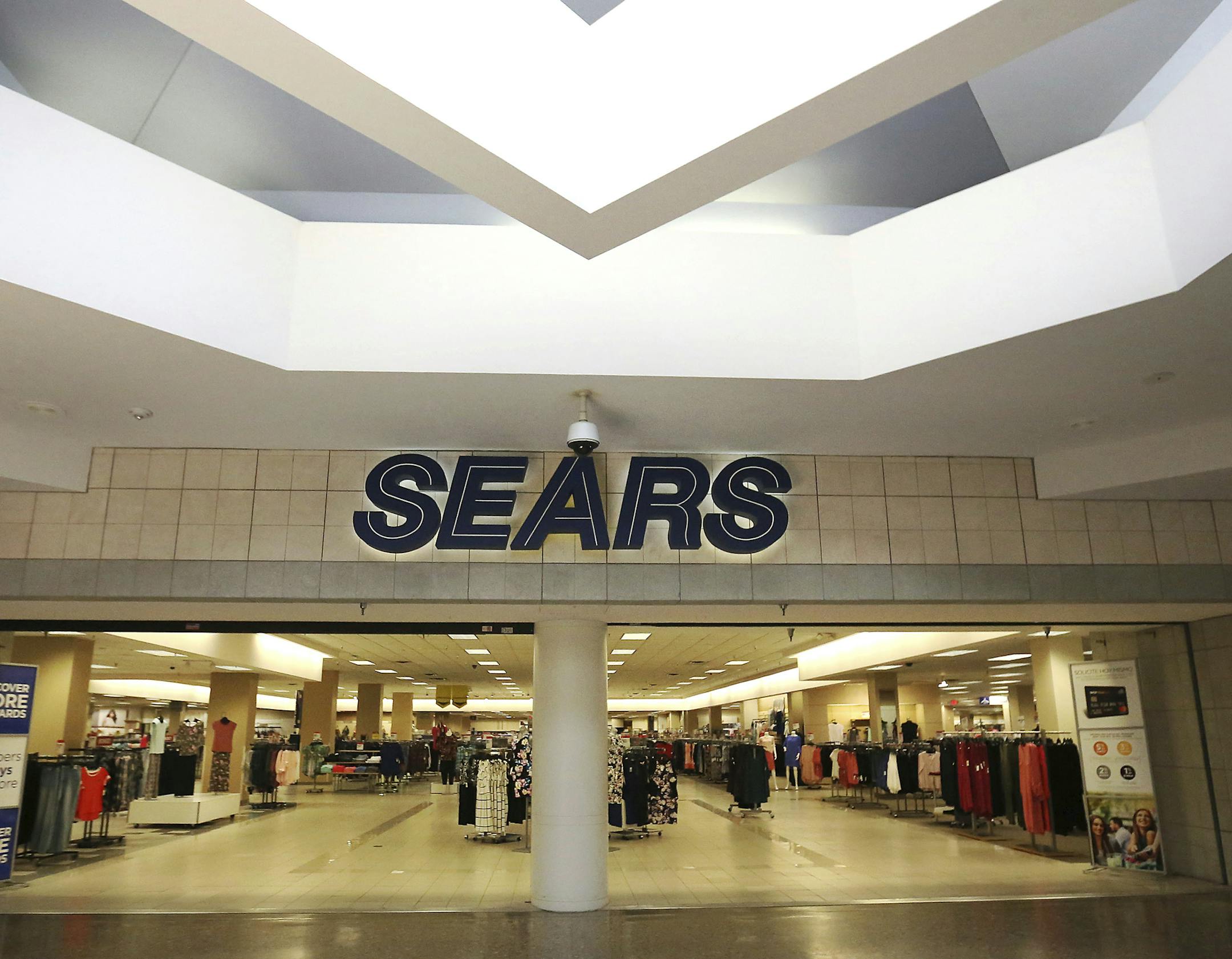
Sears Holdings just made news again, for a 12.4 percent comparable-store sales decline at Sears stores and for closing more stores than it had announced just months ago. Meanwhile, mall owners learned in a real estate publication that department store closures alone will vacate 37 million square feet of space this year.
In fact, there's so much bad news about retail that it's becoming ho-hum. But what's important to note is how few of the articles even hint at a cyclical slump to explain what we're seeing. It's now clear it's not cyclical. There's no recovery coming. And, as the Wall Street firm Wolfe Research just put it, "you ain't seen nothing yet."
The bearish conclusions reached by Wolfe Research are far from unique, and Wolfe's outlook can only be described as dire for brick-and-mortar retail. It reached its conclusions in part from a survey of more than 1,000 adult women up to about 35 years old, from the so-called millennial generation.
The Wolfe analysts admit none of the trends in their survey data are new. They already knew that younger people seem to value experiences more than their parents did. They knew young consumers think going online is cheaper than shopping at stores and far less of a hassle. And they knew that the blows of the Great Recession had constrained what young consumers can buy.
The report's point is that these analysts now realize just how much they underestimated the seismic impact these trends would have on the whole consumer segment of the economy.
Retailers have already had to shift their attention to the millennials as the baby boom generation — some of them maybe spending money as wantonly as ever — are nevertheless entering a period of slowing spending. The boomers are downsizing their houses, their kids are likely gone and dressing well for work no longer matters.
The oldest of the millennials, on the other hand, are moving into their peak consumer spending years. It's important to note that while many millennials will be living the same lives as their parents, more than enough seem to be living differently to drive big changes in the consumer economy.
Their spending habits are frequently dismissed as simple preferences, but that's not nearly a complete enough explanation. Rather, they entered a far different world as adults than their parents did.


