Put down those loppers and clippers, maybe even rest that rake for a moment and let's do some rethinking of this whole topic of preparing the garden for winter. I'd like to propose something that may sound heretical to traditionalists: Instead of expending a lot of effort on making your garden beds look all shipshape before winter, consider leaving things well enough alone.
For starters, take a look at your garden through avian eyes. Birds aren't interested in neatness, they much prefer a shaggy look, with plant stalks standing straight and tall, holding a bounty of seeds — these promise many meals ahead. It's not that birds are messy at heart, but they probably wouldn't like to hear the word "deadhead," because it would sound like a supreme waste to them.
Take it easy
There's really no need to be obsessive about your own yard and garden (except for steps taken to ward off disease). As they fly around your neighborhood, birds won't be attracted by gardens with flower stalks cut neatly to the ground and plant debris raked up and removed. In fact, such environments look like a desert to birds and other wildlife. Mother Nature isn't a neat freak: Out in nature, leaves pile up where they fall, plant spires stand until they topple next spring and twigs and branches lie where they're scattered by the wind.
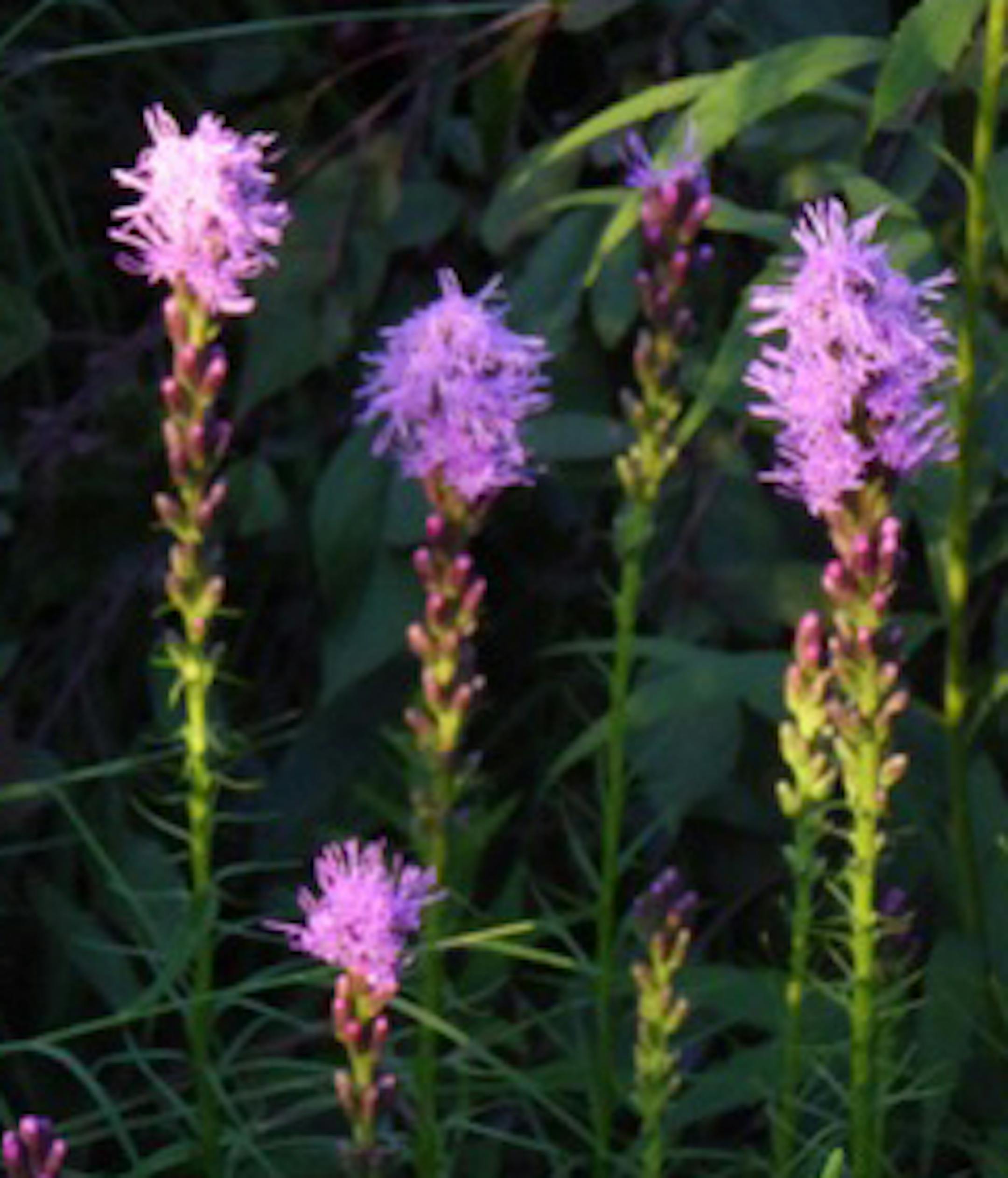
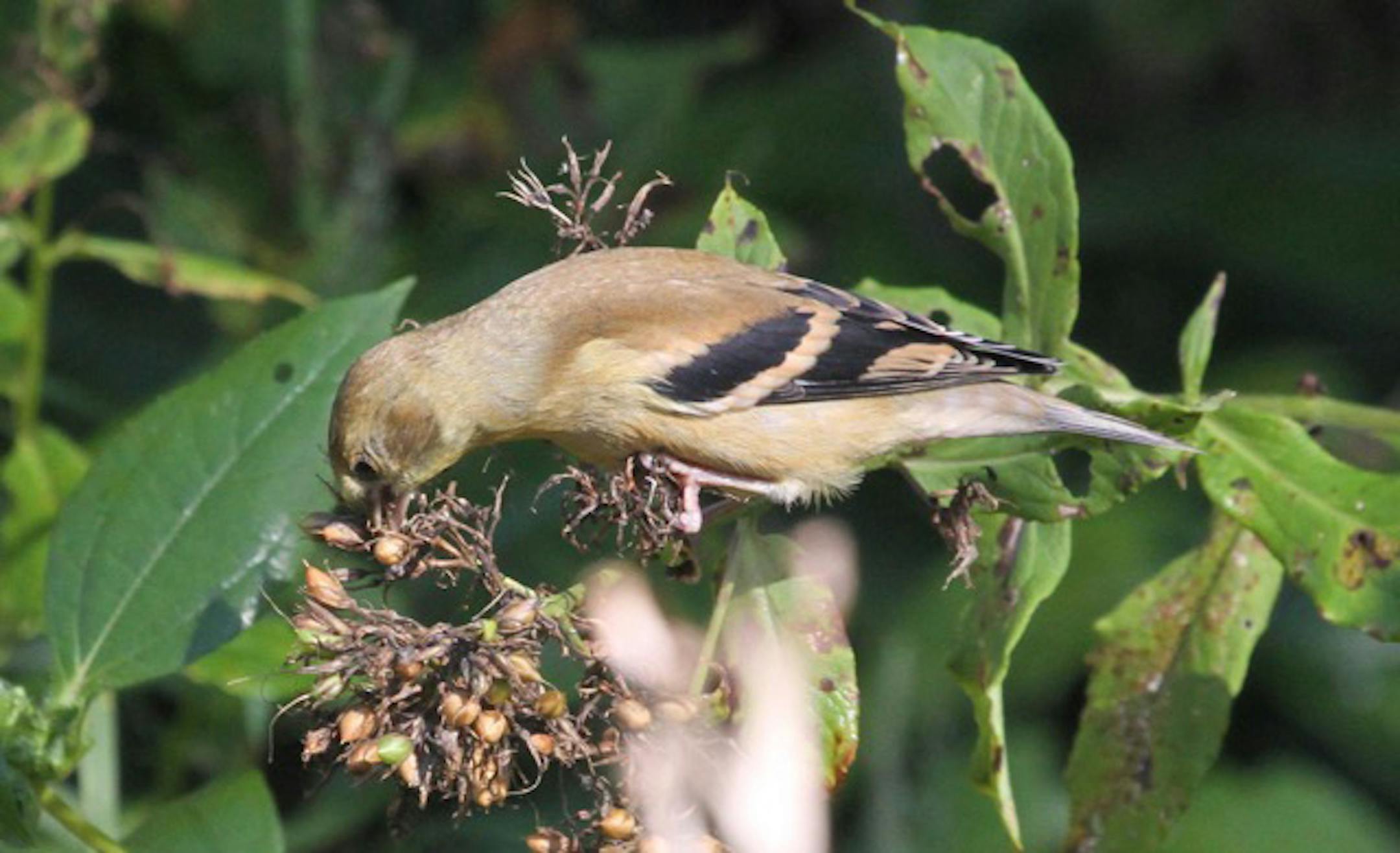
If you treat this plant stuff like waste, you'll be slamming the door on an outdoor dining hall for birds. As the days get colder, our resident birds stay alive by stoking their inner furnaces with food. Plants that flowered in summer go to seed in the fall, and it's these very seeds that help birds make it through the winter. Cardinals, nuthatches, chickadees and goldfinches search for the proteins and fats in seeds. If your summer landscape was redolent in plants like monarda, liatris and purple coneflower in summer, these seed heads will feed legions of goldfinches and others in winter. Many other plants, both perennial and annual, offer up seeds as well.
Under autumn's leaf piles are scads of insects, either in adult or egg form, holing up to pass the winter. Ground-feeding birds like cardinals know this and scratch through the litter for high protein meals.
Nature's bounty
It's a pleasure to walk past my neighborhood's big public raingarden in all seasons, but especially in late fall and winter, when hordes of goldfinches gather to daintily pluck seeds from the prolific monarda plants, and every other coneflower stalk seems topped by a finch feeding away. Chickadees, too, prowl the garden, searching for insect egg cases while snatching the occasional seed, and downy woodpeckers have been known to probe the plant stalks, as well.
This is what you can offer in your own garden, a smorgasbord of seeds and places for hibernating insects to hide.
With birds in mind, I do very little to prepare garden beds for fall and winter. I don't call it laziness, instead preferring to name it benign neglect. I'd much rather leave things alone and let the birds explore and feed. There will be time enough in the spring to get things ready for a new growing season.