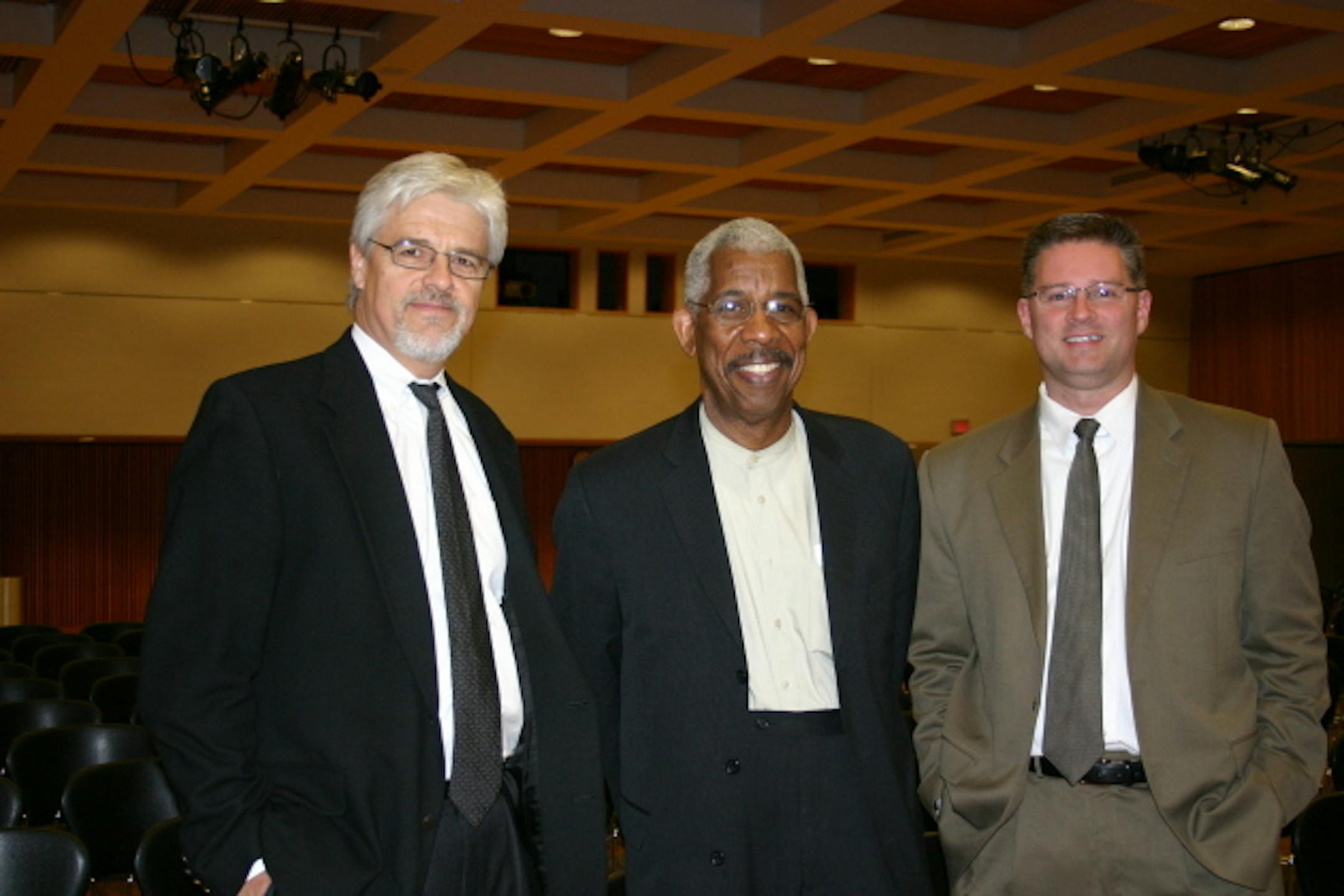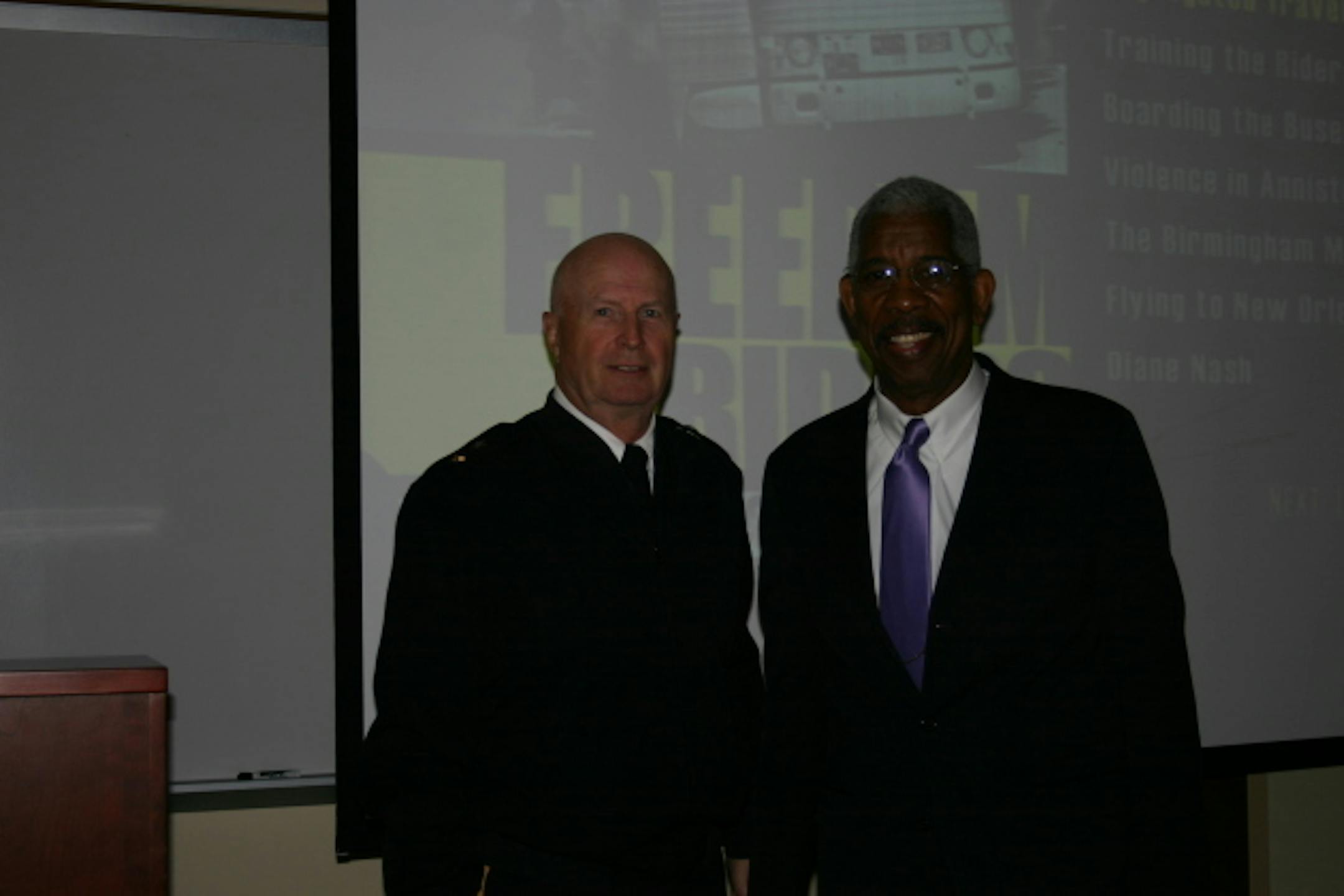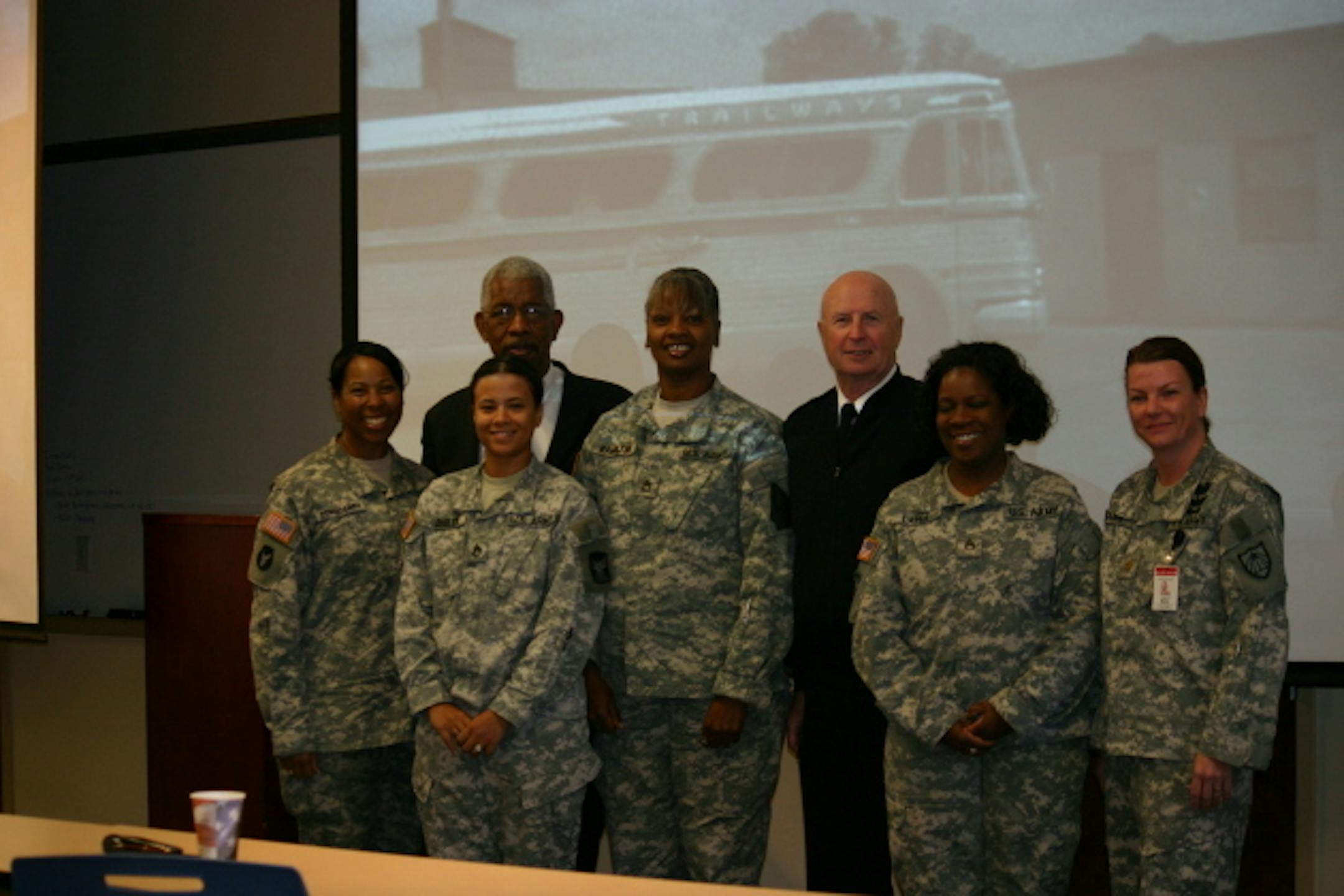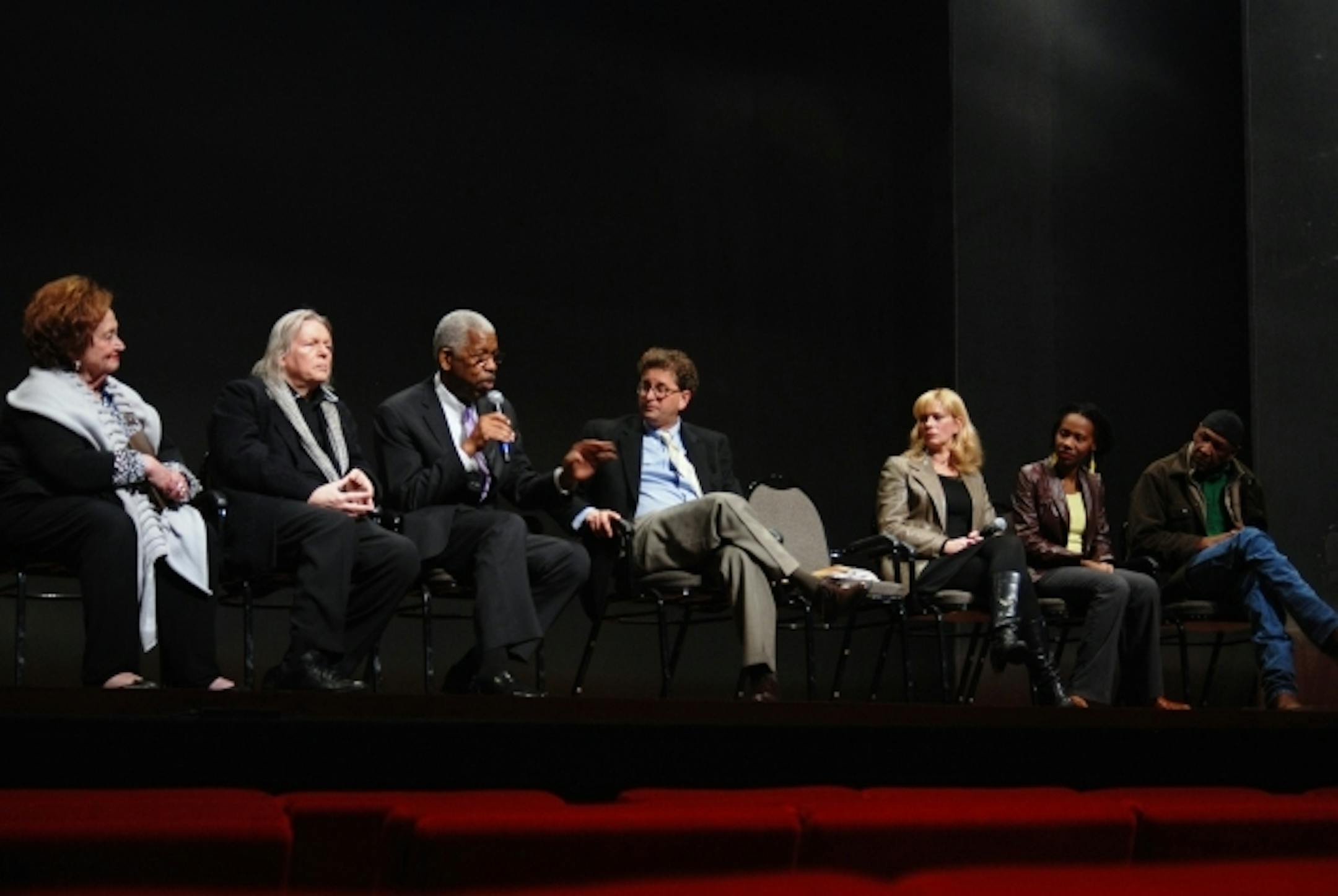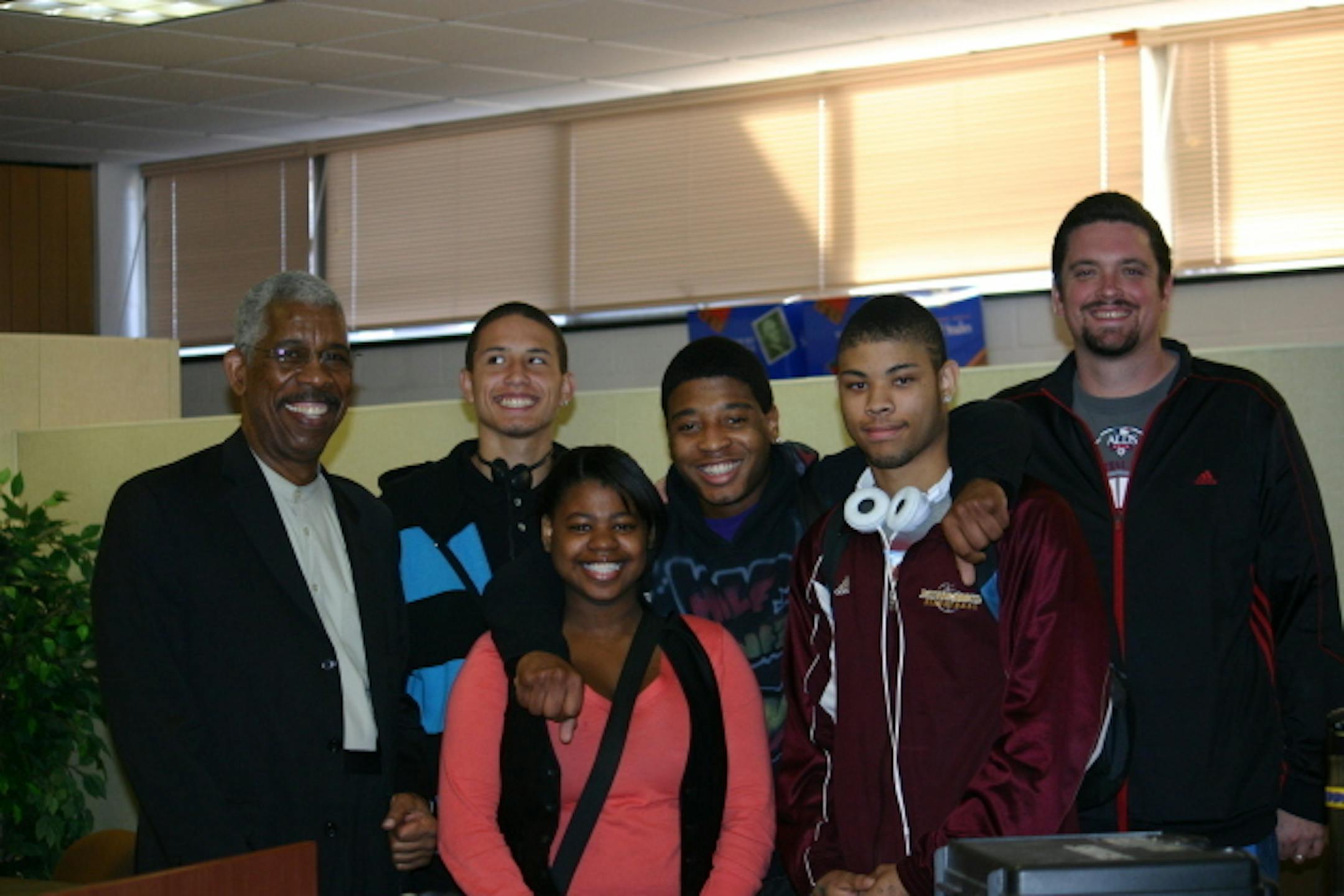
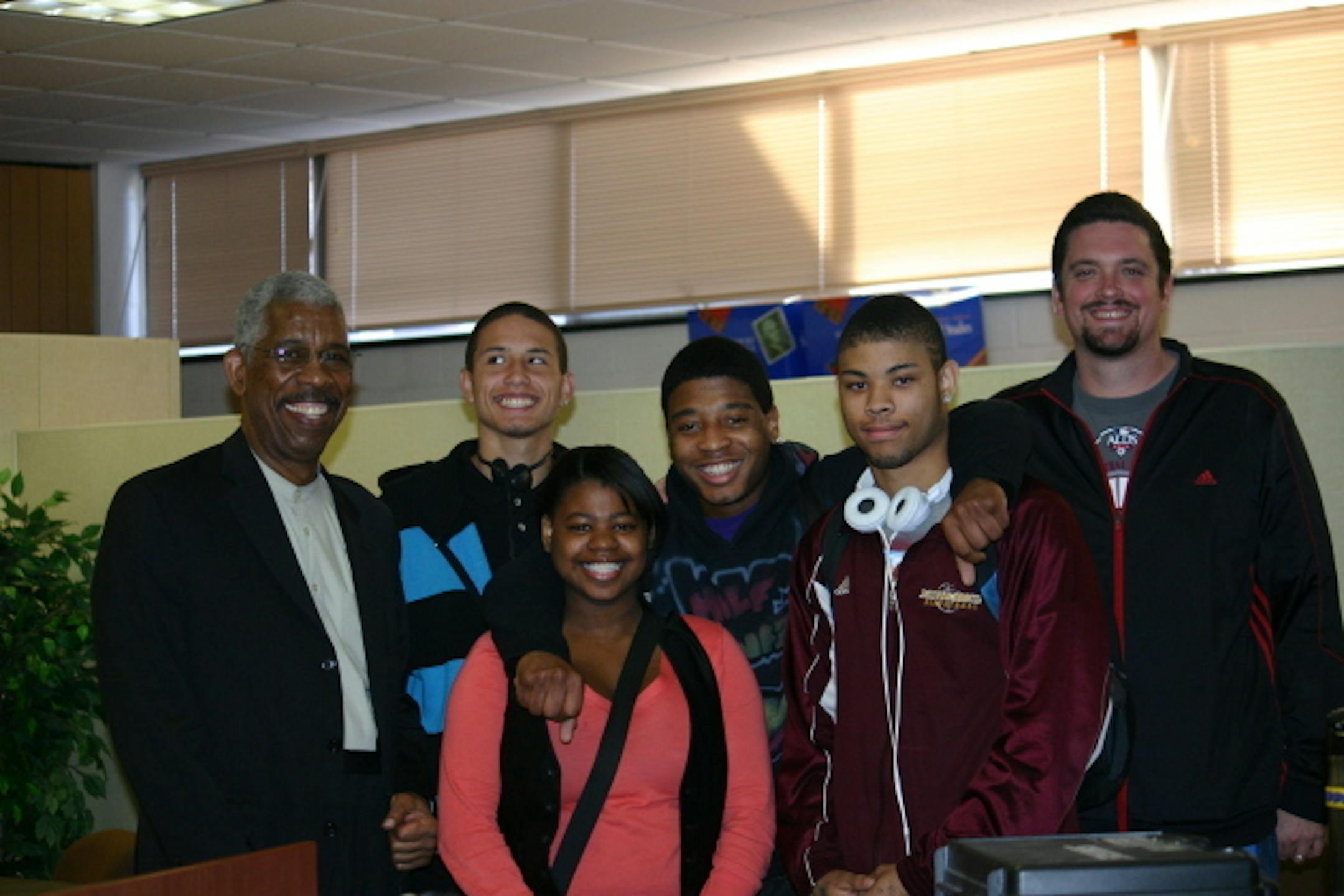
The JCRC, in conjunction with the 150th anniversary of the Emancipation Proclamation, hosted Dr. Ernest "Rip" Patton, Jr., a veteran of the 1961 Freedom Rides organized to end segregation in interstate travel – specifically passenger bus service. In conjunction with Facing History, Dr. Patton spoke to the Minnesota National Guard, St. Cloud State University, Fairview Alternative High School in Roseville and participated in a panel discussion following the October 11 Guthrie production of Appomattox.
The Battle of Antietam on September 22, 1862, was a significant if incomplete Union victory providing President Lincoln with the confidence and credibility to issue the preliminary Emancipation Proclamation freeing African American slaves in the Confederate states. At the end of the Civil War, the 13th, 14th and 15th Amendments were ratified ending slavery, providing citizenship for African Americans and providing male African Americans with the right to vote. Approximately one hundred years later, particularly in the South, few African Americans were voting and segregation was ubiquitous in hotels, restaurants, barber shops, bathrooms and practically all public accommodations. (Indeed, the United States Supreme Court as early as 1960 [Boynton v. Virginia, 364 U.S. 454] had outlawed segregation in bus terminals and busses where the Interstate Commerce Commission had also through administratively rule made segregation illegal.) Thus, African Americans were fighting for dignity and the right to eat, sleep and live where they please – like all Americans.
Dr. Patton personified the struggle. As a 21 year old Tennessee State student, Patton was a drum major in the University marching band when, in 1961, he became involved in the Nashville Movement. Patton arrived in Montgomery, AL, on Tuesday, May 23, to help reinforce the riders meeting at the home of Dr. Harris after the May 21 firebombing and siege of Montgomery's First Baptist Church.
Patton took part in the May 24, 1961, Greyhound Freedom Ride to Jackson, MS, where he was arrested and later transferred to Mississippi's notorious Parchman State Prison Farm.
Patton was one of 14 Tennessee State University students expelled for participating in the Rides. Following the Freedom Rides, he worked as a jazz musician, and later as a long-distance truck driver and community leader. For the past three years, Patton has served as the Freedom Rider on an annual university sponsored Civil Rights tour of the Deep South.
At St. Cloud State, Dr. Patton met with students. Prof. Kyle Ward described Dr. Patton's impact as follows:
"It was an incredible opportunity to have Dr. Patton come to the St. Cloud State University campus to talk to our students. His experiences, insight and comments on the world today were very beneficial for our students as well as enlightening. I thought it was even more interesting to see how many students not only came to this event but also to see a number stay after and have more personal conversations with Dr. Patton about a variety of topics.