

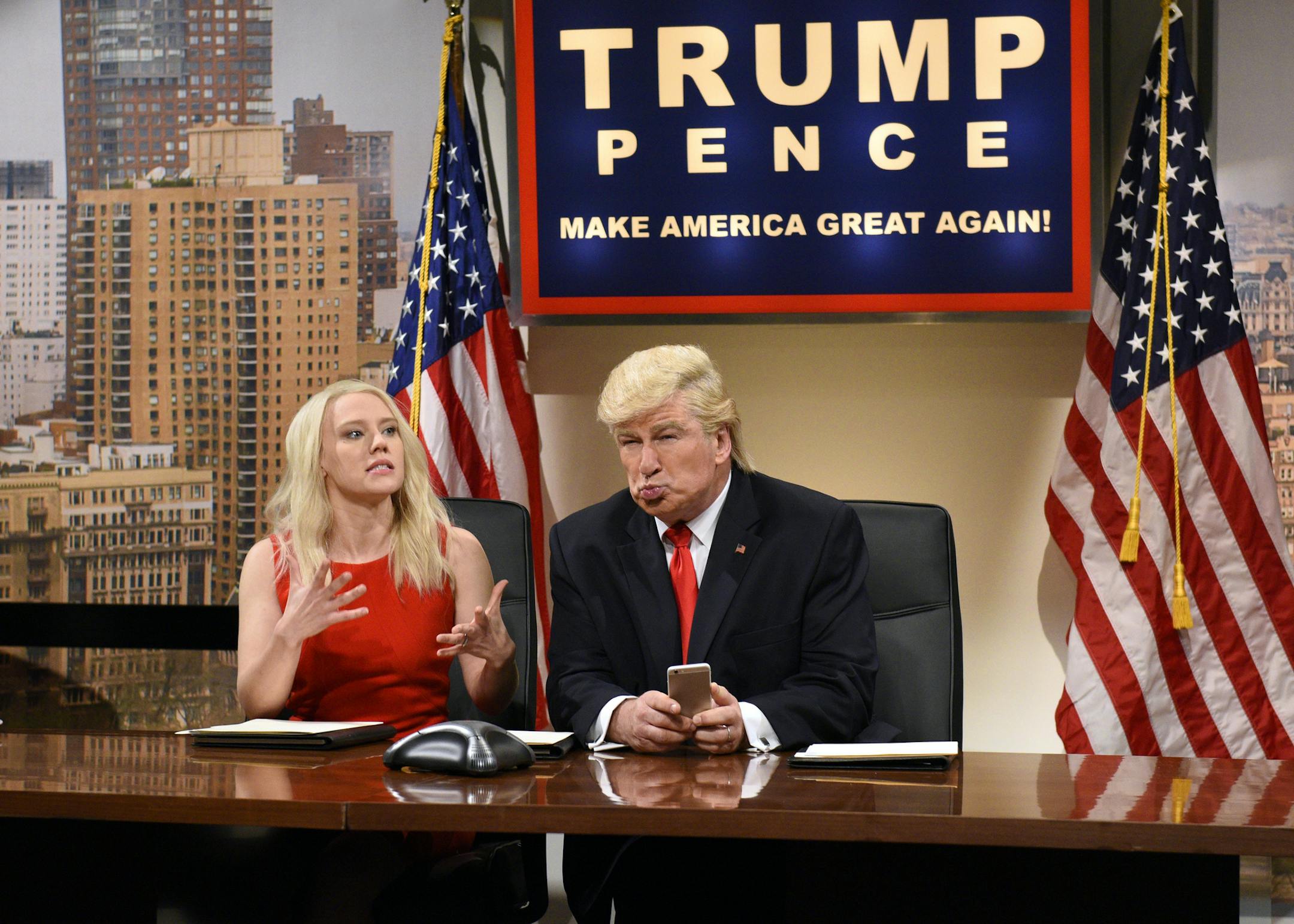
The crisis of democracy is no laughing matter. While some dictatorships like Myanmar are finally opening up, some of the world's biggest powers appear to be shifting toward authoritarianism. Even the U.S., home to a vibrant democracy and civil society, is in the headlines because of the autocratic rhetoric of its mercurial president. But what can we do to protect open societies from being drawn into the maelstrom of authoritarianism and closed ones from becoming more dictatorial?
In a recent interview with PBS, Mel Brooks, one of America's oldest and greatest comedians and creator of the all-time classic movie "The Producers," offered this opinion:
"The great thing about dictators is, you have to know, if you get on a soapbox with them, you're gonna lose, because they have a way of spellbinding with their oratory. But if you can reduce them to ridicule, then you're way ahead."
Brooks believes that political humor turns the table on dictators, placing them in a demeaning position by subjecting them to ridicule. This has a subversive effect that undermines their authority, and, therefore, strips them of their power.
That gives comedians a silver bullet against authoritarians: jokes and laughter.
It's an intriguing thought.
The only problem is that it isn't true.
To see why Brooks's argument doesn't hold up, we can turn to Nazi Germany. There is an overwhelming amount of evidence suggesting that political humor flourished under Adolf Hitler's rule; in fact, quips about the dictator and his henchmen were so widespread that they inspired collections of "whispered jokes" published after the war. The editors of these books were convinced that people who had poked fun at the Nazis were part of a tacit resistance. But in researching my own book "Dead Funny: Telling Jokes in Hitler's Germany," I discovered that, in fact, the opposite was true.


