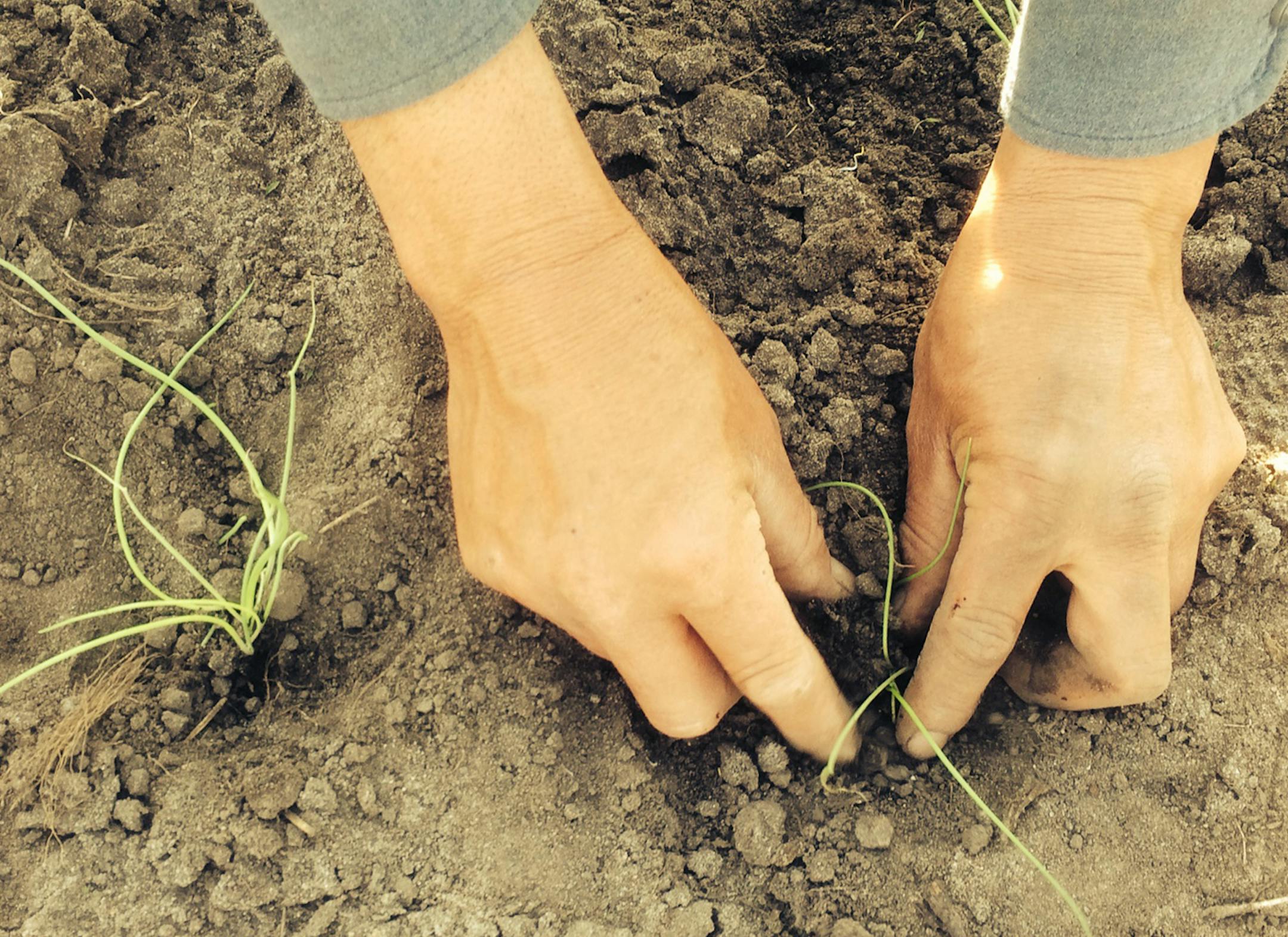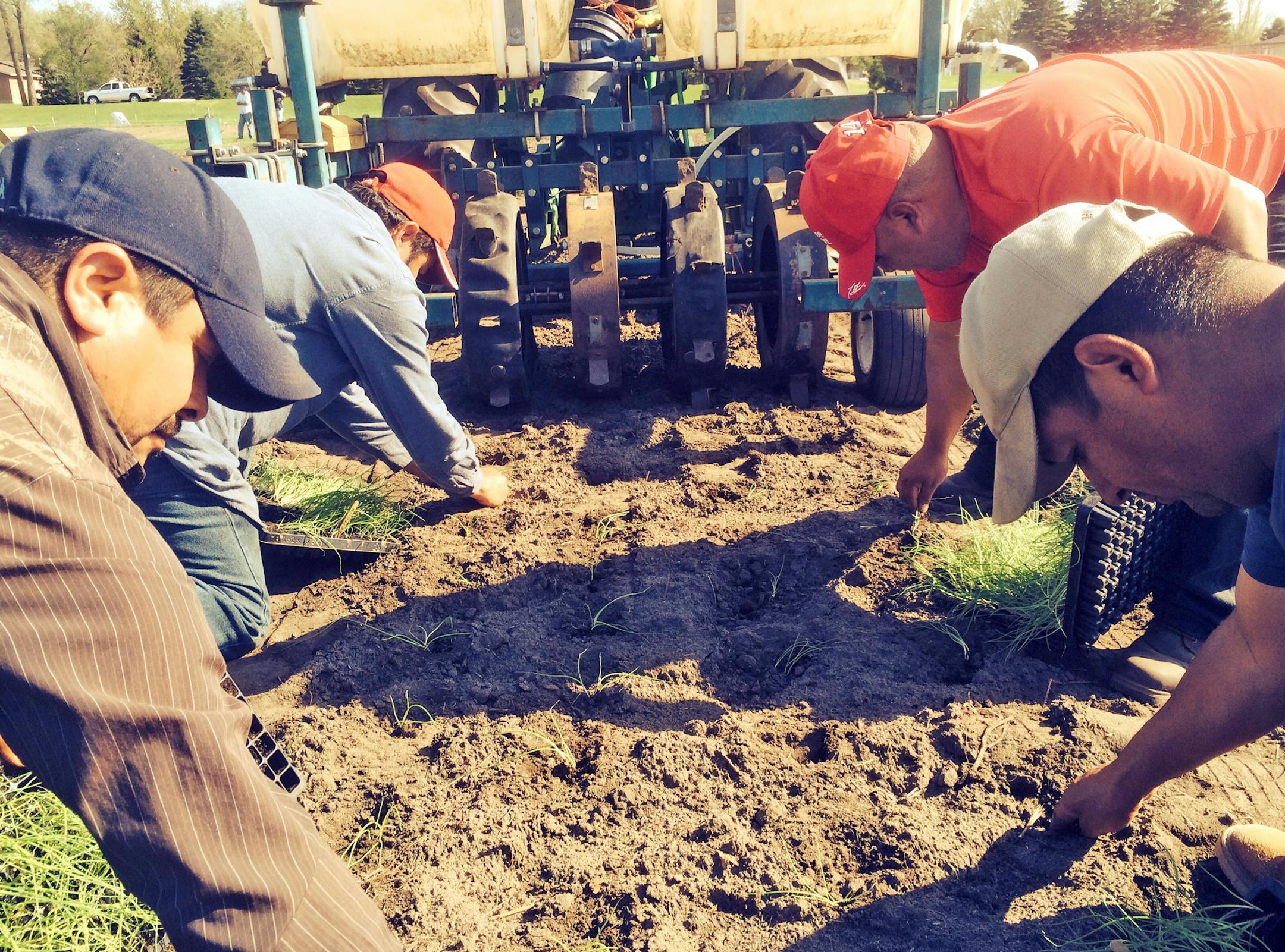
LONG PRAIRIE, MINN. -- Like the 3-inch tomatillo and pepper plants they've hand-planted in a field, the Agua Gorda cooperative is in its early stages of growth.
Its five members are part of a pilot program that's preparing Latinos to learn the American way of farming, and perhaps position themselves to take over for retiring farmers whose families want out.
"I want to be a farm owner some day, not just a farmworker," said co-op member Javier Garcia, just before mounting a tractor to till part of the 5.5 acres the group is farming this year.
The U.S. Department of Agriculture's 2012 Census of Agriculture shows that only 316 farms in Minnesota have owner-operators who are of Spanish, Hispanic or Latino origin, out of 69,020 total farms. That report also shows that the average age of Minnesota farmers is 56.6 years, continuing a steady, long-term trend upward.
The aging demographics and the growing numbers of Latinos in rural Minnesota got Ramon Leon thinking. He is CEO and president of the Latino Economic Development Center in Minneapolis, which has a track record of helping Latinos who started out as dishwashers and delivery truck drivers to become successful owners of restaurants, groceries and shops. But for all that success in cities, Leon said, the same could not be said of farming.
"Latinos in Minnesota don't have access to land. We don't know Latinos that own 100 acres," Leon said. "Access to capital is an issue, and access to training."
To that end, the center began developing business training programs three years ago for aspiring farmers, and has provided small loans. In addition to Agua Gorda in Long Prairie, Latino cooperatives have sprung up in Madelia, south of Mankato, and New Richland, near Albert Lea.
Step by step
The name Agua Gorda comes from a city in Mexico that has sent half of its population to Long Prairie in recent years to work on farms and at the state's largest meatpacking plant. The co-op's members work full-time at those jobs and work evenings and weekends in fields that they rent.