As relations with Cuba warmed, a flurry of Minnesota arts groups trekked to Havana. Now, Cuba is coming here.
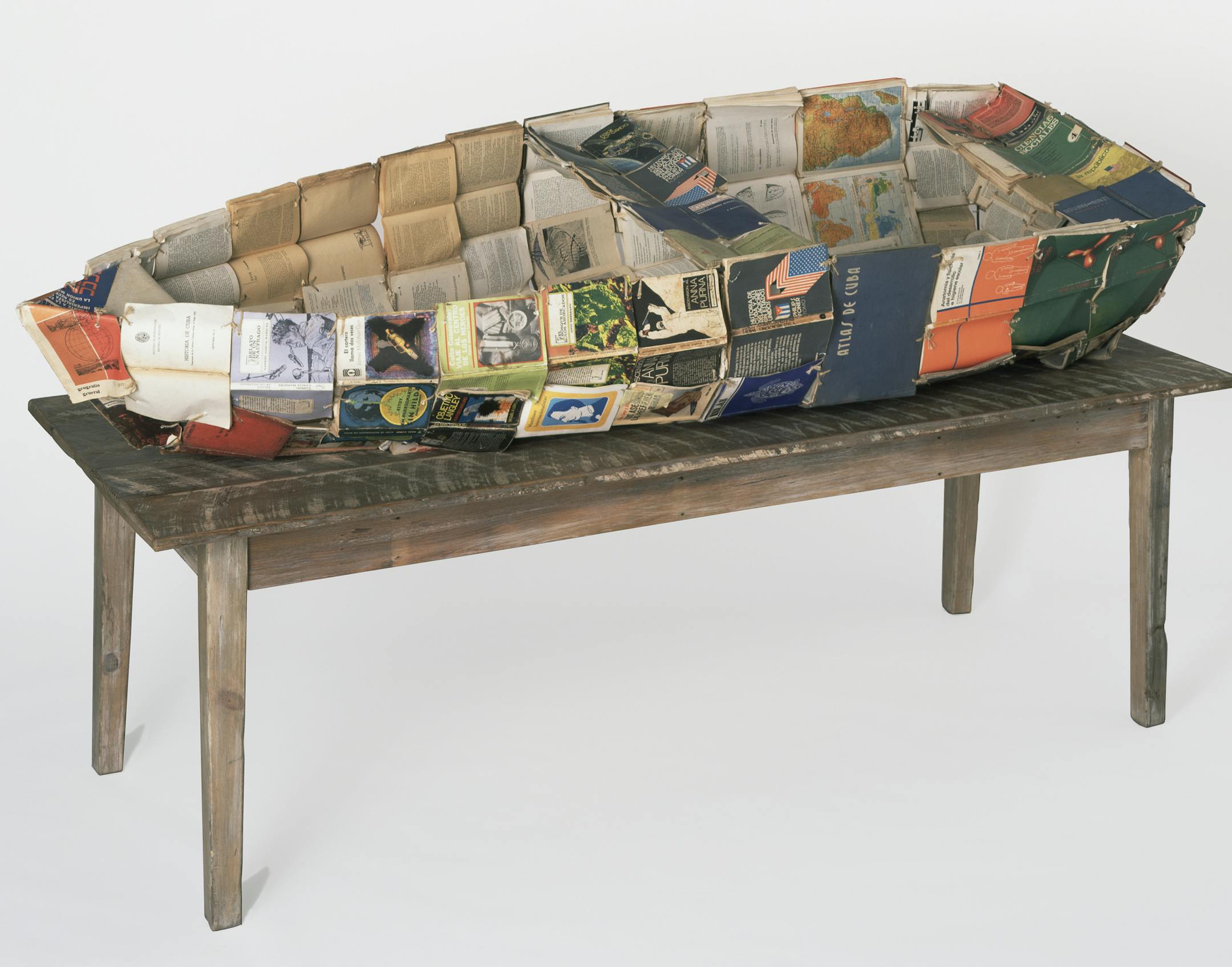
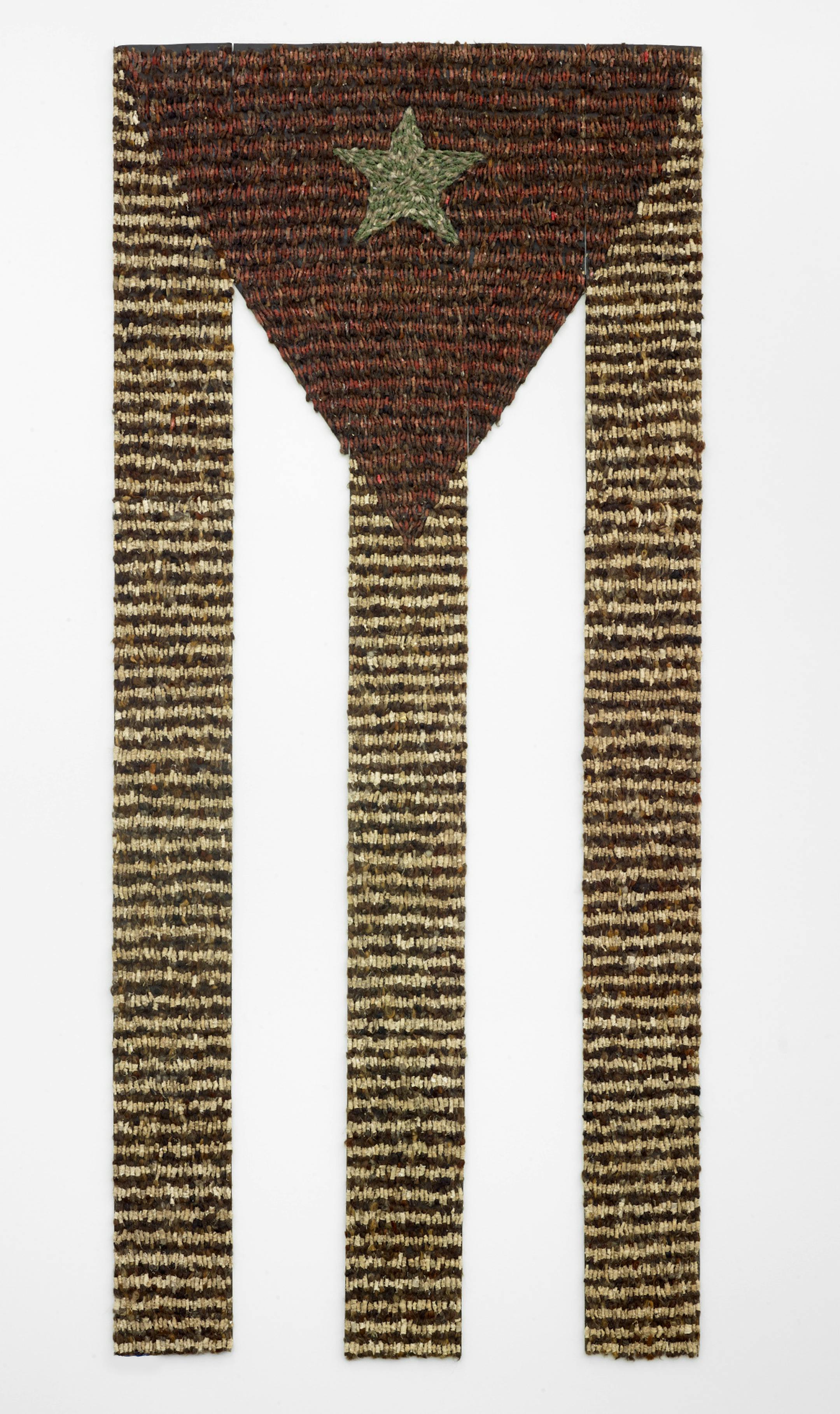
A massive exhibition of Cuban art unlike anything the United States has seen in 70 years will arrive at the Walker Art Center in November 2017. "Adiós Utopia" boasts more than 100 works by dozens of artists — offering a complex portrait of life on the island since 1950.
The exhibition is coming at a key moment, said Olga Viso, the Walker's executive director. "There's really no better time to give audiences across the country greater understanding of Cuban art."
The exhibition's paintings and photographs, sculptures and posters examine how Cuba's artists viewed the revolution of 1959, when Fidel Castro seized power, and its aftermath. That perspective has largely been absent in U.S. galleries and museums, which because of icy relations and trade restrictions have been more likely to feature works from Cuban émigrés than artists who stayed, Viso said.
"The United States' understanding of the Cuban experience is mostly through the lens of the Cuban exile experience," said Viso, who was born in Florida to Cuban émigrés.
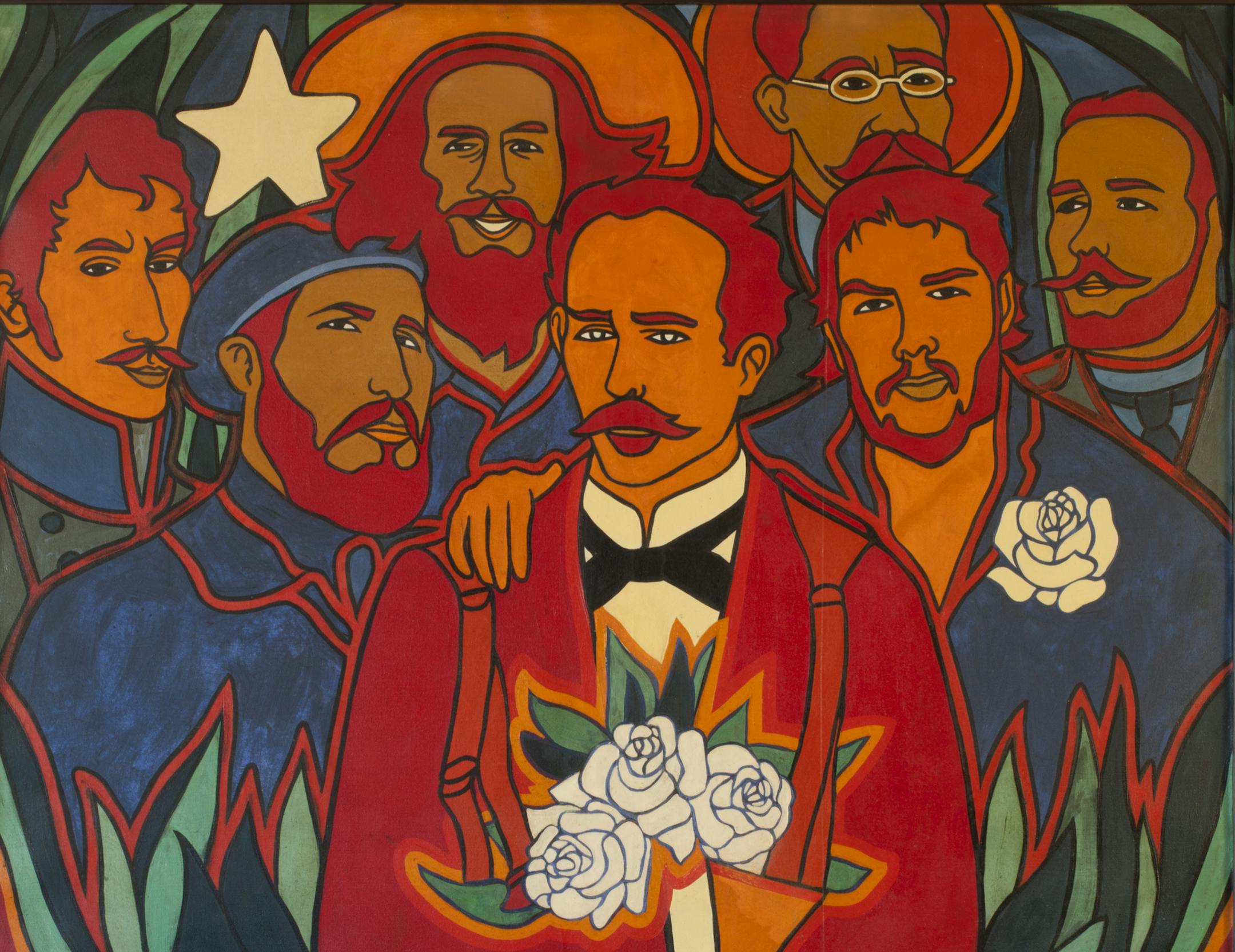
The exhibit will challenge the notion of a paradise frozen in time, Viso said, highlighting artists who were in sync with international vogues. In the late 1960s and early '70s, for example, Raúl Martínez painted Cuba's leaders and icons in colorful pop-art fashion.
His work could have easily been a part of the Walker's 2015 summer show, "International Pop," Viso said this week. "But you know, the work is just not readily available."
These artists might have had "more recognized, international careers," Viso added, "but didn't because they were emerging in the midst of the revolution and Cuba's closing off to the United States and parts of the world."