

Nothing exists in itself. If you flatter yourself that you are all over comfortable, and have been so a long time, then you cannot be said to be comfortable any more. -- Herman Melville.
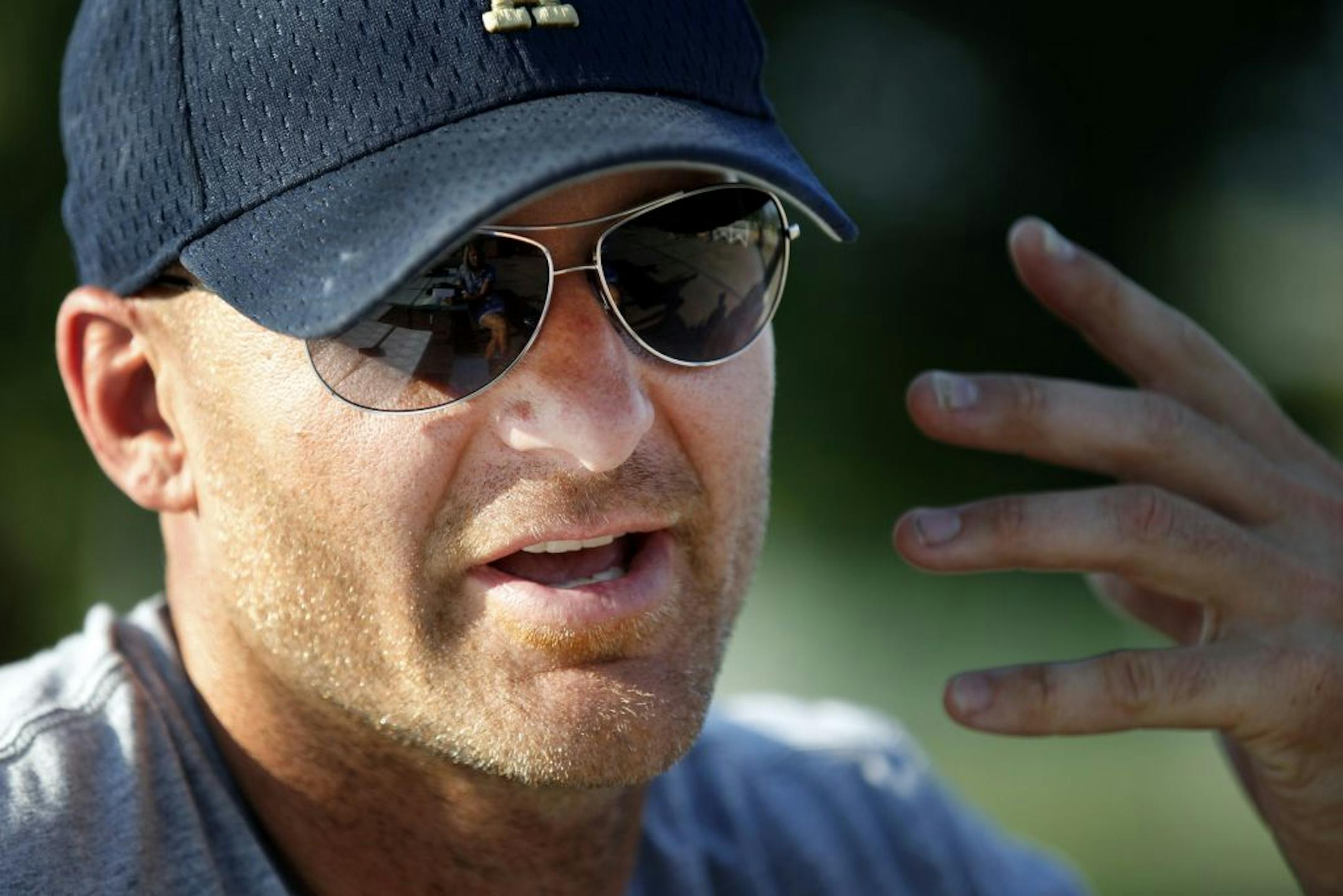
On a tiny dirt diamond 30 minutes west of Minneapolis in Loretto, Corey Koskie is comfortable again. His 12-year-old son is in youth baseball playoffs, and Koskie is throwing batting practice.
It's simple repetition, perfectly routine. He laughs. He ducks out of the way on a sharp base hit. He doesn't touch his head. He's fine.
Only six years ago, the former Twins third baseman unwittingly became something of a test case for concussions in a sport mystified by them when he sustained a non-contact injury with the Brewers. The battle was an uncomfortable one -- for baseball, which had no real concept of the warning signs or risks; for doctors, who were learning as they went; and for Koskie, who was caught between contradicting values from the medical world and his profession.
Since then, more has been learned about concussions. And while the road back from head injuries for current players such as the Twins' Justin Morneau isn't easy, it is helped by the transformation of attitudes surrounding the sport and more advanced knowledge in the medical world -- growth that was, in part, boosted by the 39-year-old Koskie.
Two years after finally finding an answer, Koskie's body and brain have returned to normal, a level of existence he appreciates now. He takes pride in his new job, managing two local Planet Fitness health clubs, a business role he says he taught himself. He spends the rest of his time with his wife, Shannon, and their boys Bradley (12), Joshua (10), Caleb (7) and Samuel (2) at their Plymouth home, or getting his baseball fix through coaching his oldest three.
"I'm at a better place because I have a completely different perception now," Koskie said. "I'm a different person, because I know what it's like to not have this."


