

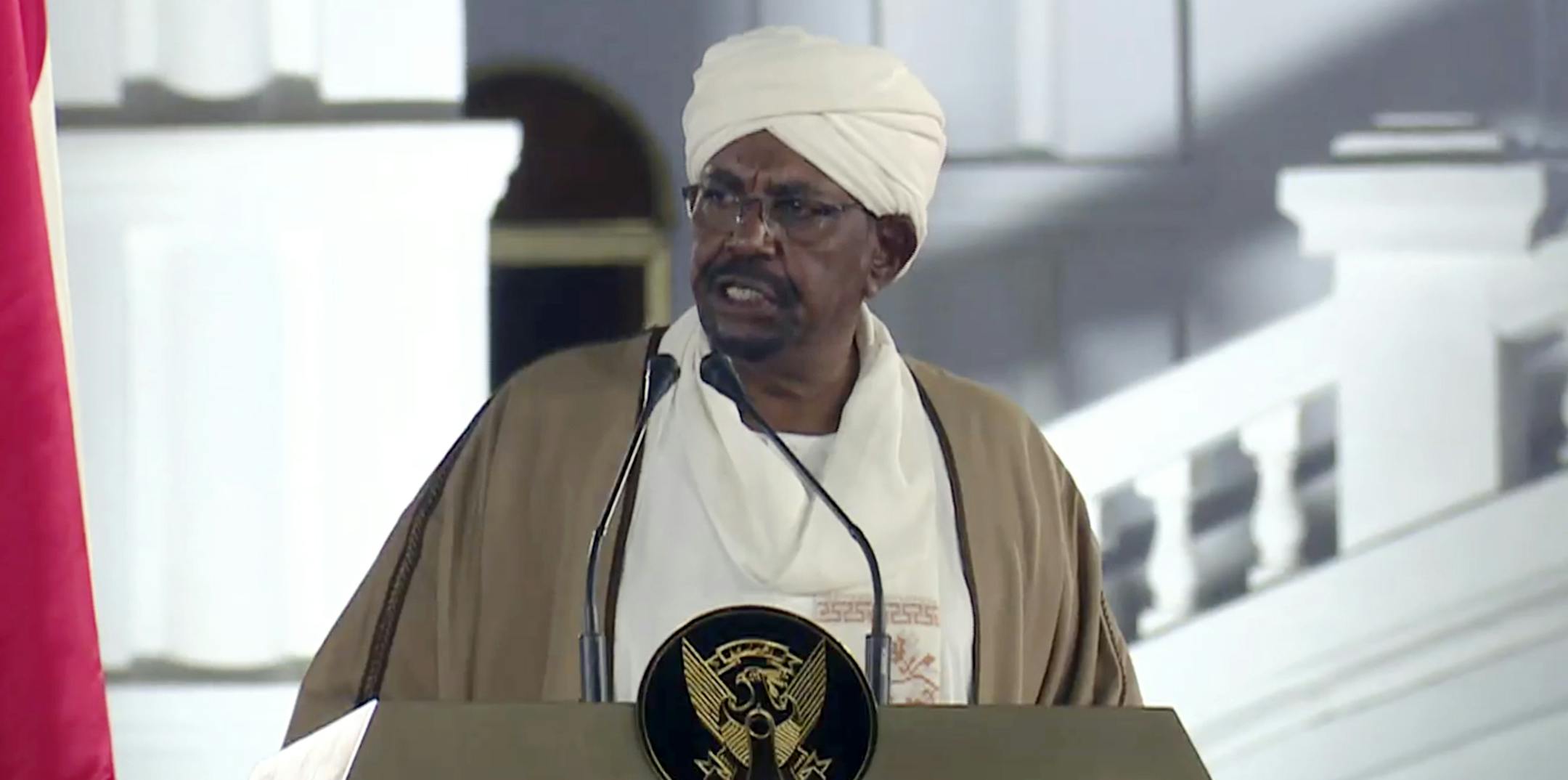
One of the largest states in Africa is preparing to take down its regime ("Sudan's army ousts president in face of protests," April 11). When people hear the word Sudan, they typically think about either one of two things. One, the Pulitzer Prize-winning photo displaying a vulture craving a child facing famine during the Sudanese civil war. Or two, the country's amicable and altruistic people.
When I was younger, I tried to avoid conversations about Sudan, my home country. I was almost ashamed of it. I was raised in America, so I put my country into a box. The more I grew up, the more assumptions I made about my country. I wanted everything to be like America. I constantly talked about how corrupt Sudan was and how restricted its civil society was.
While all this is true, I failed to recognize the positive aspects of Sudan. Sudan has an awful regime, but seeing my people stand up against 30 years of oppression helped me realize that it is not their fault at all.
This is Sudan: We create over-powdered fried donuts, spend several hours a day on Facebook and play our Oud instruments on the unpaved roads. Right now, we face the perfect storm, and we are ready to risk everything. Would you be ready to risk everything so quickly?
A couple of months ago, I was helping my mom prepare a Ful Mudammas dish. Speaking over the Mohammed Wardi music, I asked her why the people of Sudan let someone reign over them for so long. Presidents should not exceed eight years in office. She explained to me how Omar al-Bashir would purge his opponents and create a facade of legitimate and transparent elections. Al-Bashir banned newspapers and arrested journalists, which is one of the surest signs of an authoritarian dictator. He changed Sudanese law to make the country autocratic and subservient to him.
Omar al-Bashir protected terrorists, not the people of Sudan. The burden of al-Bashir's actions should not be placed on us. We are not at fault for a dictator's decisions.
Sudan makes an interesting state for a revolution; it is unexpected. It is undeniable that this nation has shown an outstanding ability to mobilize and organize demonstrations. Sudan also raises questions and heightens the debate about foreign government intervention and increasing globalization in the modern world. Through research, I learned to my surprise that at one point the United States even had a Sudanese caucus. I still wonder why the caucus disintegrated once South Sudan received its independence.
Two weeks ago, I traveled to Washington, D.C., with some of my classmates and teachers. On our itinerary, I noticed that we would be walking through embassy row. I haven't traveled back to Sudan since my birth, so, filled with warm joy, my fellow Sudanese friend and I began to run to the Sudan Embassy. We ran as if we were about to see our long-lost family. We rang the buzzer, regardless of not having made an appointment. To our surprise, we were welcomed in graciously, even though they were not expecting us.


