

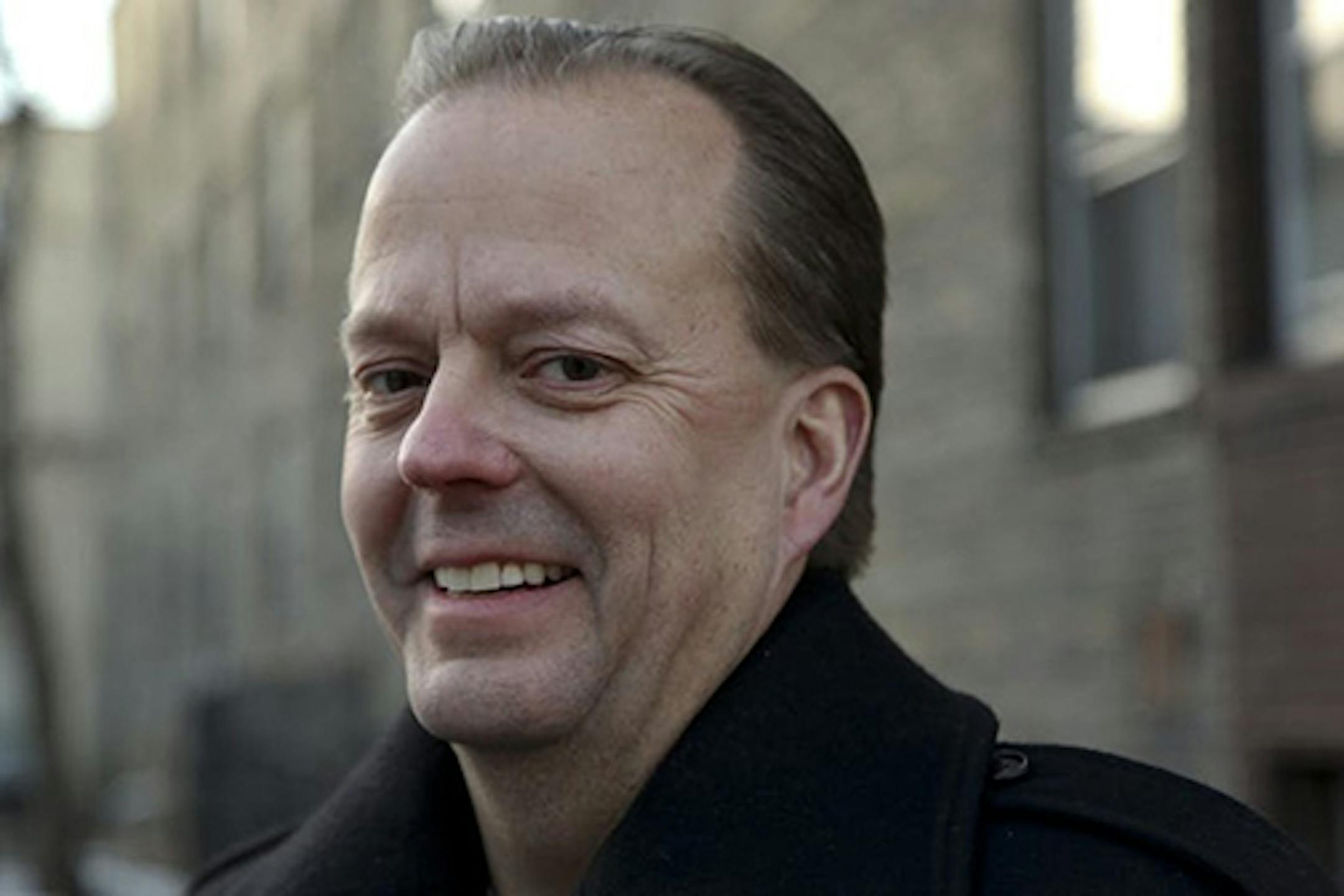
Jurors began deliberations Thursday afternoon on the fate of former Minneapolis landlord Stephen Frenz, who is on trial for perjury for allegedly lying in a court filing.
The second and last day of testimony Thursday centered on the whether Frenz was under oath to the court when he signed an affidavit in 2016 supporting his effort to get a case against him thrown out of housing court.
The jury of five women and seven men received the case about 4:15 p.m., retired for the day about 15 minutes later and is expected to resume talks at 9 a.m. Friday. Frenz faces one count of felony perjury.
Prosecutors told jurors that Frenz knew he was under oath because although the 2016 affidavit did not include the word "oath" or warnings of perjury, it included other language — "being duly sworn," "I have personal knowledge of the facts attested to in this Affidavit" and "Subscribed and sworn to before me" — that indicated an obligation to the truth.
They noted that Frenz's educational background (he has a master's degree in business administration) and approximately 22 years as a landlord by 2016 showed that he understood the legal ramifications of such court filings. Prosecutors also produced three other affidavits in which Frenz explicitly stated he was submitting information to the court "on oath" or "under oath."
"When you looked underneath that, what you saw were lies, lies, lies," Senior Assistant Hennepin County Attorney Susan Crumb said in her closing arguments regarding Frenz's 2016 affidavit. "… There's no requirement that the oath be spoken or administered."
Frenz's defense attorneys argued that Frenz's longtime notary public, Jeffrey Shields, who signed off on the 2016 document, never gave Frenz an oral or written oath. In testimony earlier that day, Shields said he did not receive training before he was notarized to approve court documents and never administered an oath of any kind to Frenz.
Robert Sicoli, one of Frenz's attorneys, told jurors in his closing arguments that they could not assume that Frenz was under oath simply because the affidavit was signed off by a notary, who by state law is not required to but can deliver an oath to people signing documents. He also warned them not to presume that Frenz should have known better because of his education and business background.


