

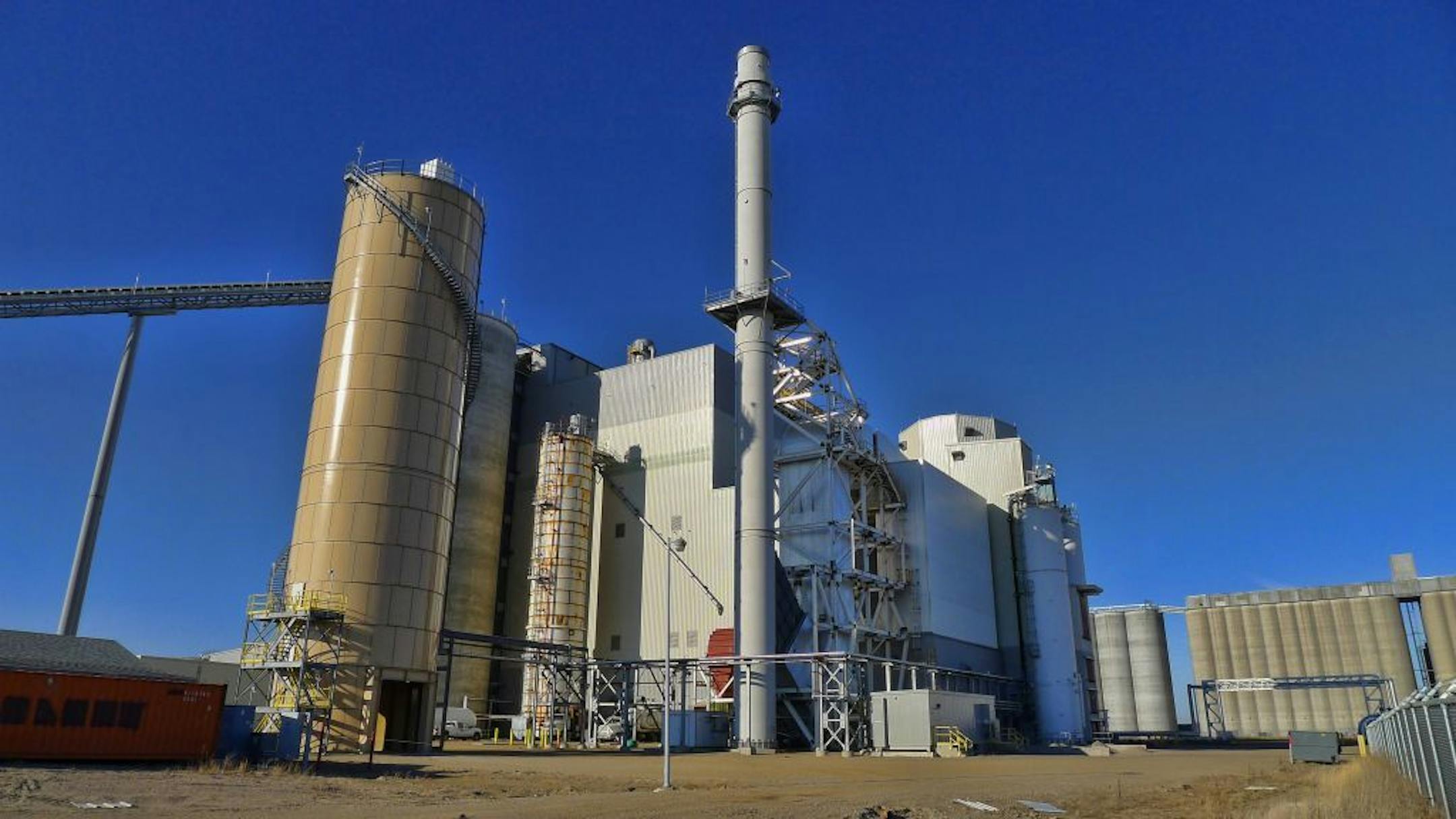
A federal judge on Thursday pointedly questioned the constitutionality of a 2007 Minnesota energy law that North Dakota says unfairly bars that coal-rich state from exporting electricity from new, coal-burning power plants.
"It is unprecedented," said U.S. District Judge Susan Richard Nelson, interrupting Assistant Minnesota Attorney General Gary Cunningham in court as he defended Minnesota's Next Generation Energy Act.
A nearly two-year-old lawsuit filed by North Dakota and its coal and utility interests against Minnesota reached a showdown in federal court in St. Paul as attorneys for each side tried to blast holes in the other's legal case.
Nelson said she would rule later on the matter, which centers largely on whether restricting Minnesota utilities' purchases of coal-generated electricity from other states violates a clause of the U.S. Constitution protecting interstate commerce.
In a sign of the case's importance, North Dakota Attorney General Wayne Stenehjem showed up for the oral arguments, although another attorney handled them. Beverly Jones Heydinger, chairwoman of the Minnesota Public Utilities Commission (PUC) and a defendant in the lawsuit, also was there, but left early for a PUC vote on a electricity deal that, by coincidence, featured an unrelated contract by a Minnesota utility to buy wind power from North Dakota.
That sort of contract — when it involves purchasing coal-generated electricity — lies at the heart of the case. The Minnesota law, which also encourages renewable energy and conservation, effectively forbids state utilities from importing new coal-generated electricity under contract, or from building coal plants to serve Minnesota customers.
Cunningham argued that's a wise policy because coal plants are major emitters of carbon dioxide, a greenhouse gas linked to climate change. By limiting coal-generated power, the law helps protect Minnesota customers from potential future costs of carbon regulation, he said.
But the judge's questions suggested she wasn't fully buying the argument. She said the electricity itself didn't harm Minnesotans. What the law addresses, she said, are emissions of carbon dioxide.


