

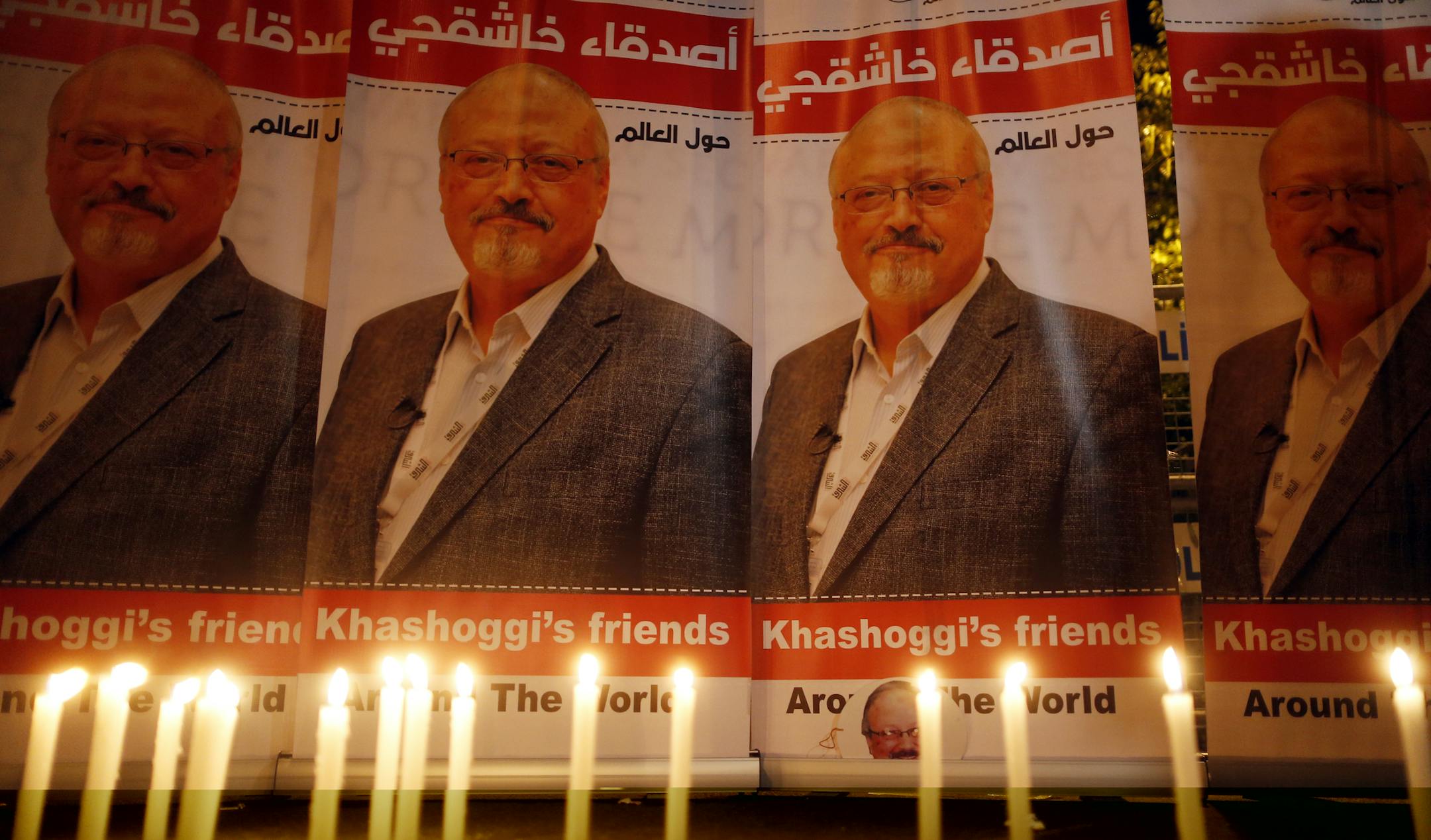
A significant shift in the political and public perception of Saudi Arabia — and its proxy war against Iran in Yemen that has created the world's worst ongoing humanitarian catastrophe — is occurring in Congress and across America.
Journalists, of course, are covering the story.
But they're also part of the story — starting with the killing of journalist Jamal Khashoggi, the Saudi dissident who moved to America to avoid the rising repression of Crown Prince Mohammed bin Salman (often called MBS), Saudi Arabia's de facto day-to-day ruler.
The issue has incensed U.S. senators, who on Thursday condemned the crown prince for Khashoggi's murder. That action, passed unanimously on a voice vote, rejected the rhetorical cover (if not coverup) provided by President Donald Trump, who lamely labeled MBS's alleged involvement inconclusive.
As to whether MBS "had knowledge of this tragic event — maybe he did, maybe he didn't!" Trump said previously in a statement.
"There is no smoking gun," echoed Defense Secretary Jim Mattis, who along with Secretary of State Mike Pompeo defended the president — and, by extension, the crown prince.
"There's not a smoking gun, there's a smoking saw," countered South Carolina Sen. Lindsey Graham, referring to the bone saw allegedly used in Khashoggi's grisly killing at a Saudi consulate in Istanbul, Turkey. Graham's GOP colleague, Tennessee Sen. Bob Corker, who chairs the Foreign Relations Committee, added that "if the crown prince went in front of a jury, he would be convicted in 30 minutes."
The jury of lawmakers in the House won't have a chance to vote on the crown prince's complicity, since Republicans (as well as five Democrats, including Minnesota's Collin Peterson) used unrelated agricultural legislation to block action. That dodge won't endure, however. Early next year, a bill similar to the Senate's will find a home in a Democratic-led House.


