

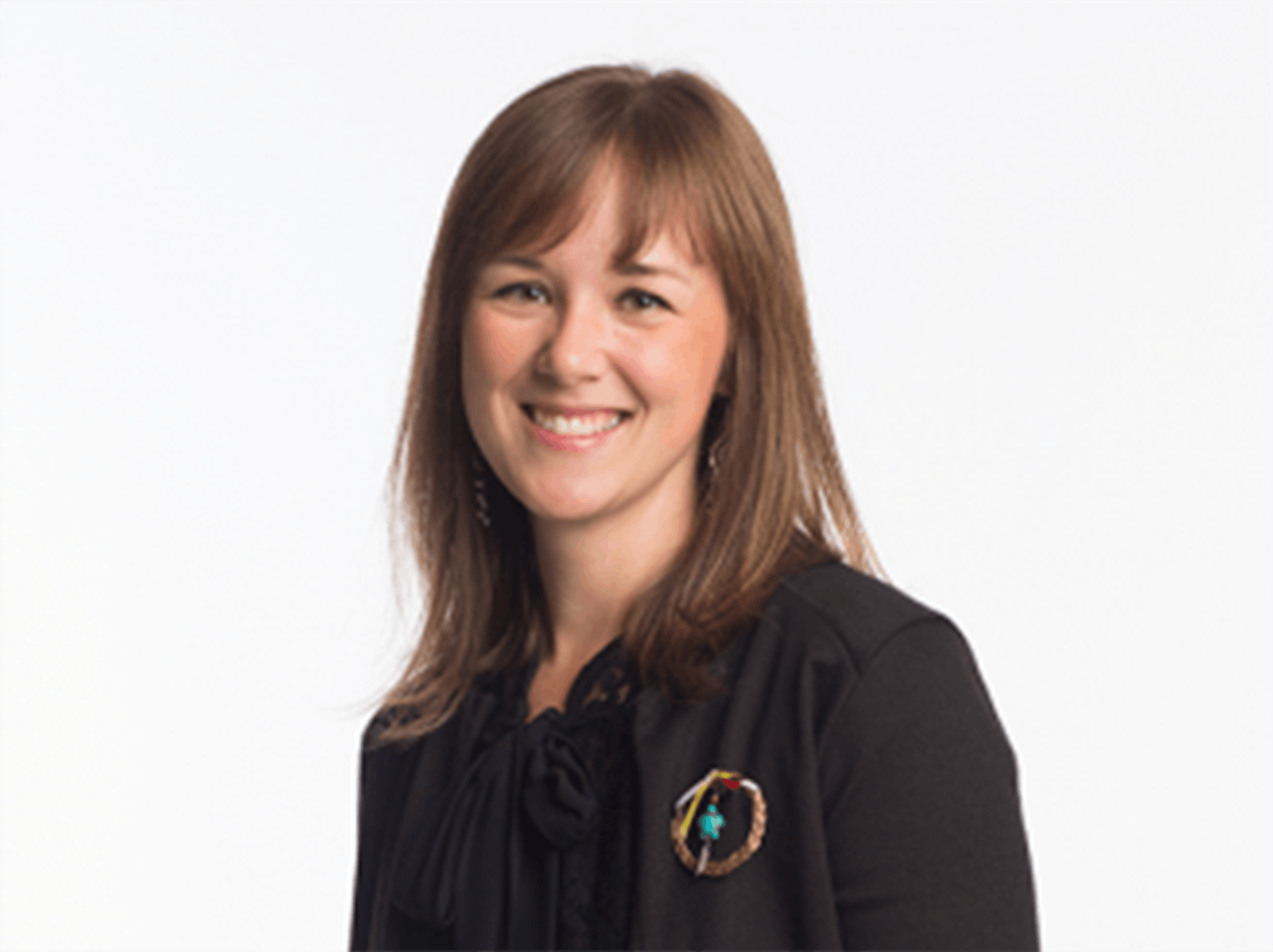
A group of leading researchers on American Indian health issues is leaving the University of Minnesota Duluth to join the Baltimore-based Johns Hopkins Bloomberg School of Public Health. But they aren't going anywhere.
Researcher Melissa Walls said her team will remain in Duluth as the new Great Lakes hub of Hopkins' Center for American Indian Health, which conducts public health research and provides outreach programs in 17 states.
While the switch will give the team more visibility and national influence, Walls said her group needed to remain in Minnesota to maintain its connections and credibility.
"You've got to be here," said Walls, who is from International Falls and is a member of the Bois Forte Chippewa and Couchiching First Nation bands. "It's all predicated on building good relationships."
Walls, 39, has worked at the Duluth campus for 12 years, amassing multiple federal grants to study health issues such as the prevalence of diabetes and mental illnesses among Indians — and how one condition can influence the other. She has built a team of more than 100, including tribal members, who advise her research efforts.
A new federal grant will allow Walls' group to test a new, multigenerational approach to preventing diabetes in parents and children in the same household.
Hopkins' outreach includes Family Spirit, a home visit program to promote maternal and early childhood health, and Respecting the Circle of Life, a teen pregnancy prevention program. Both programs already exist in Minnesota.
Walls said her interest in Johns Hopkins piqued after she completed a visiting professorship in 2016. The organization has an "amazing track record" of using research to set national policy, and she said she wanted to be a part of that and to have Minnesota's tribes represented. "It was maybe an opportunity to bring the tribal perspective from out here to Hopkins," she said, "and also to bring that platform from Hopkins over here."


