

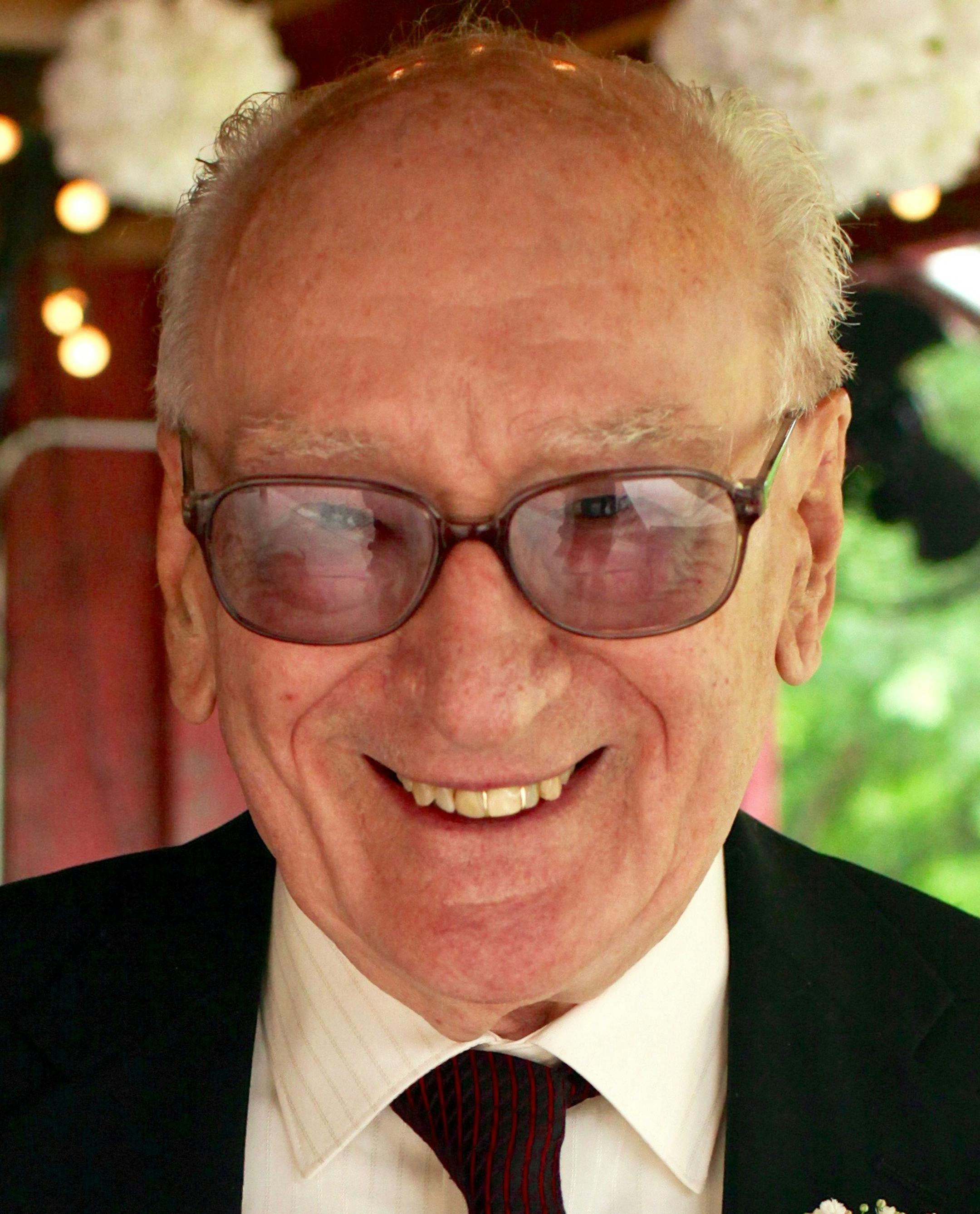
John W. Webb was 13 years old, growing up just west of London, when World War II broke out.
At night, during the air raids, he and some of his classmates would take turns sleeping on his school's roof with a teacher present to watch for fires from the bombings.
The experience laid the groundwork for what would be a distinguished career as an influential geography professor and co-author of a text that became a classroom staple for decades.
Webb died in St. Cloud on Aug. 18 at age 93.
His hometown of Weybridge was close enough to London that the fire trucks and ambulances would wait there for the wartime bombings to stop. With blackouts in effect and no headlights on, the firefighters and medics would rely on Webb and other neighborhood boys to guide them around as they raced back to the city or to the nearest fire, said Jennifer Fusaro, his daughter.
"The young boys knew the streets," she said.
As soon as he was old enough, Webb joined the Royal Air Force, but poor eyesight kept him from flying. Instead, Webb became a part of the intelligence division, where he helped draw up maps of Europe that would be used for bombing missions in the later stages of the war.
After the war, he attended the University of St. Andrews, where he earned three master's degrees in four years and met his first wife, Anne Smillie, an American.


