Japanese Prime Minister Shinzo Abe and U.S. President Donald Trump will meet at Mar-a-Lago on Tuesday to discuss the threat from North Korea's weapons program, as the allies attempt to maintain a so-called "maximum pressure" campaign on the reckless regime in Pyongyang.
It's also likely that Abe will apply at least some minimum pressure on the American president, in hopes of persuading him to exempt Japan from the Trump administration's tariffs on steel and aluminum.
To be sure, Japan's economy — the world's third-largest — is complex and diverse, extending far beyond the tariff-affected industries the two leaders will discuss. But after years of stubborn stagnation, Japan Inc. is finally growing again — and its leaders are keen to avoid any economic or relationship damage a tariff dispute might do.
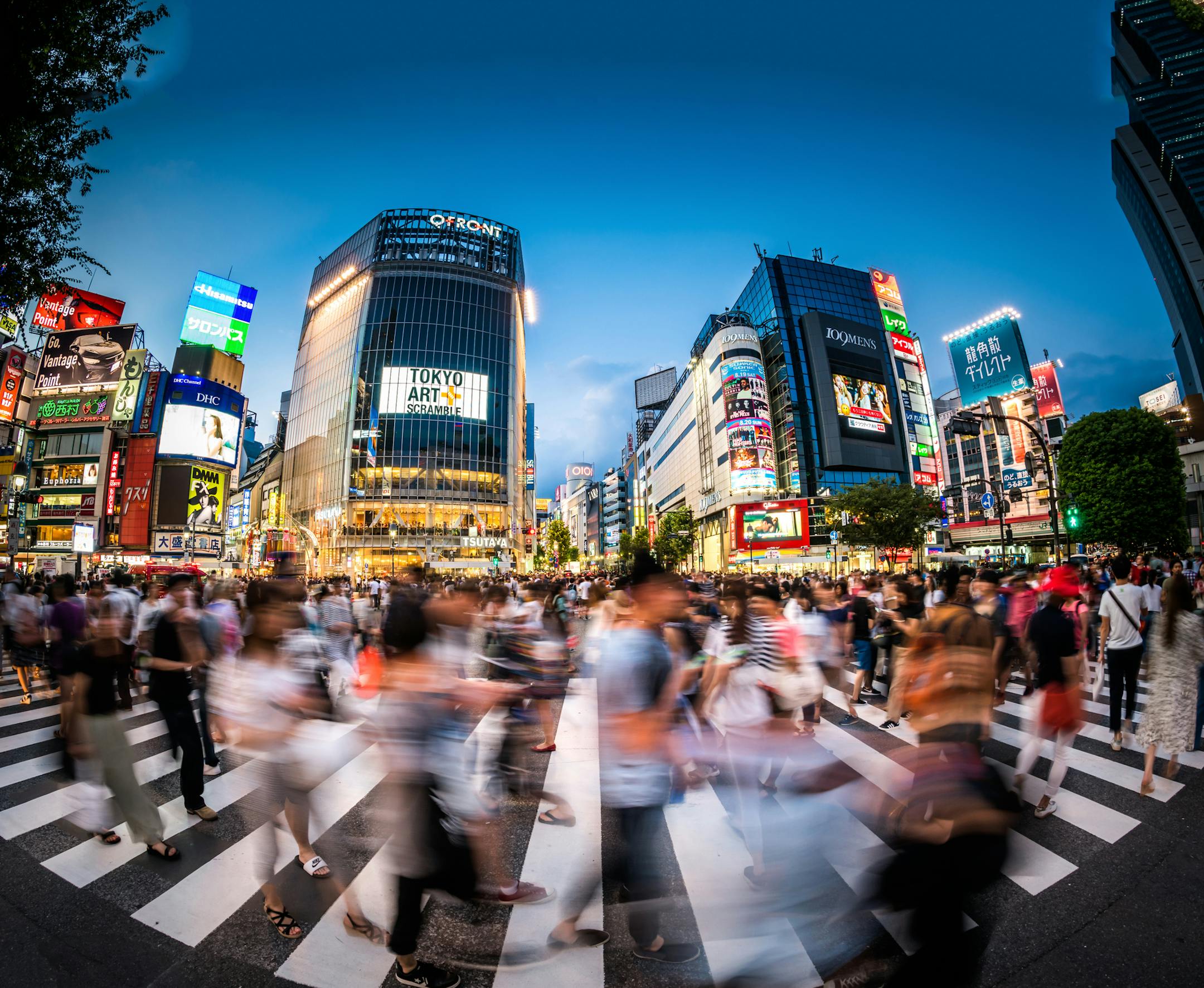
Japan's momentum today isn't as monumental as it was when Tokyo hosted the 1964 Summer Olympics. Then, Japan's nascent economic power heralded a dynamic recovery from catastrophic defeat in World War II that would wow the world. Today, recent growth and predictions of further steady, if tepid, expansion suggest that when the Olympics return to Tokyo in 2020, the world will once again see a rising sun after years of deflationary dusk.
Glimpses of this new dawn were evident during a recent reporting trip I took, sponsored by the Foreign Press Center Japan, an independent, nongovernmental organization based in Tokyo. Beyond the improving economic statistics, the recovery of Japanese confidence was evident in interviews with corporate executives, Olympic organizers and public officials in the high-tech capital city — and among those who labor in other prefectures (provinces) to perfect precision manufacturing.
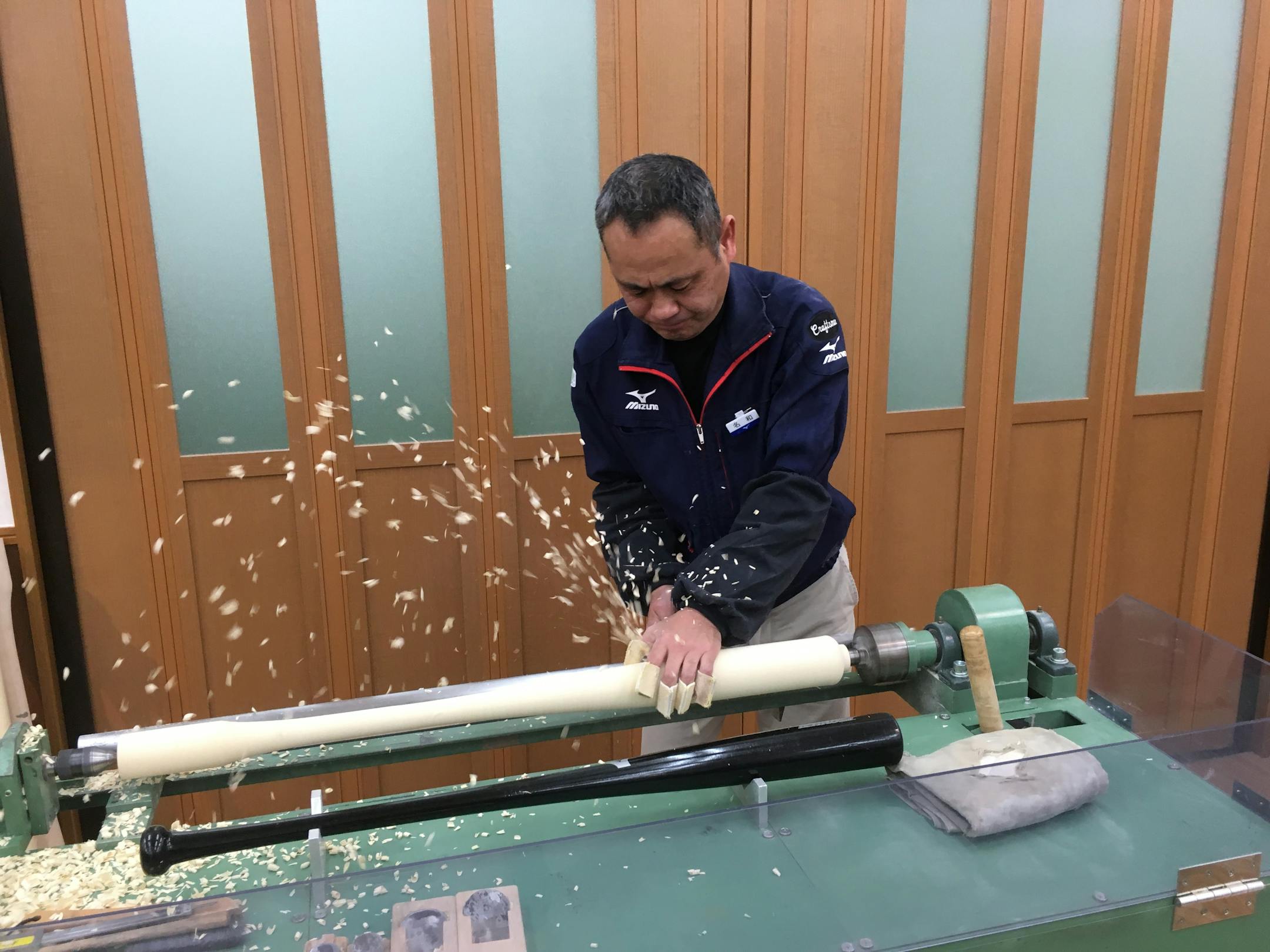
In Seki City, the roots of Japan's resilience are found in the dedication of master craftsmen and women who understand well how Japanese traditions endure in modern manufacturing.
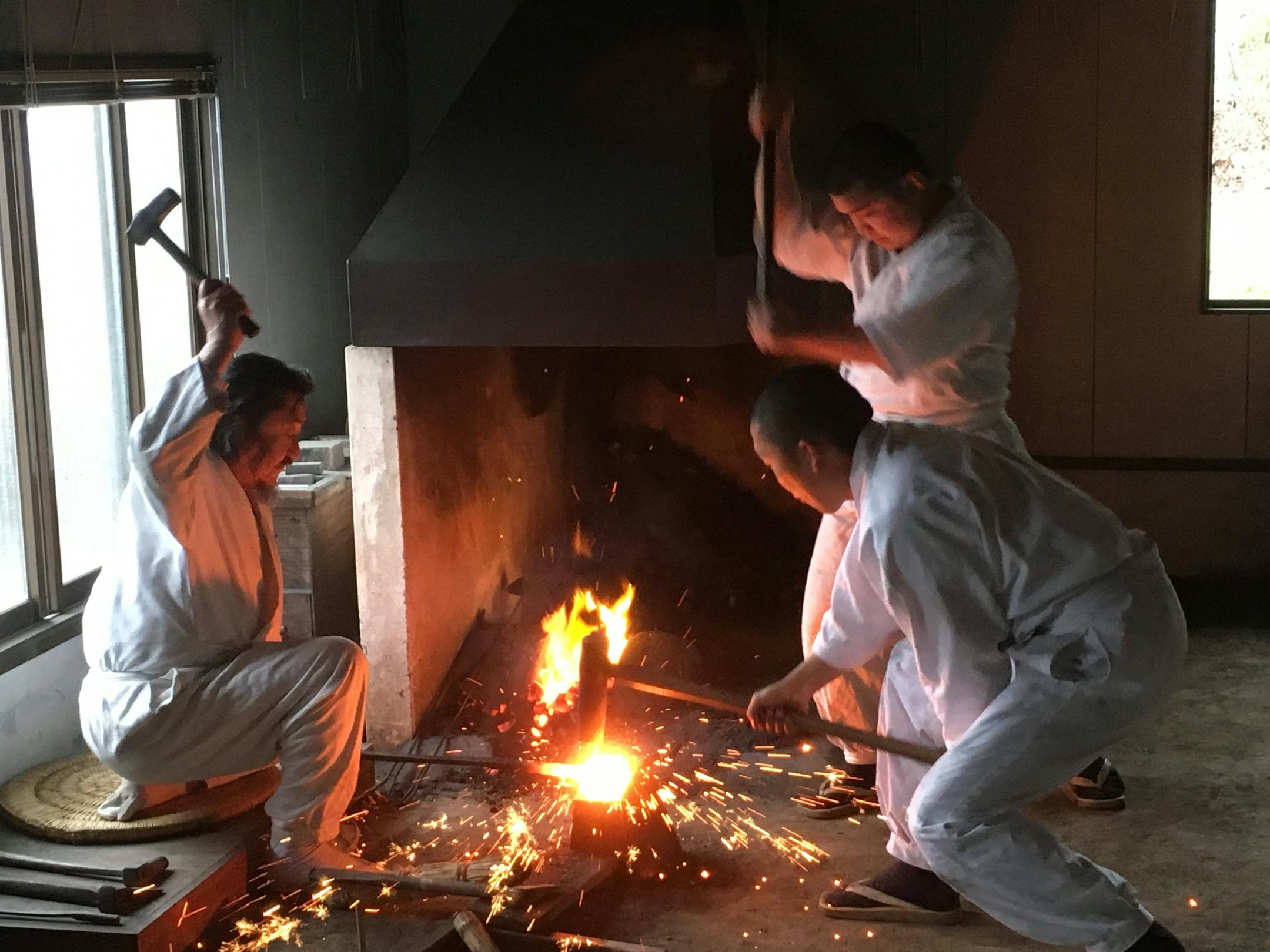
In the workplace of Kanefusa Fujiwara, a 25th-generation master swordsmith, "maximum pressure" of a different time-honored kind was applied to steel pulled from a white-hot fire.
Amid sparks flying in his spartan studio, Fujiwara rhythmically tapped out a beat that two white-robed apprentices matched with sledgehammers, as Fujiwara forged one of only about 10 swords he crafts annually. Some of them go to top Sumo wrestlers, another timeless Japanese tradition.