

No, Mr. President, it was not a "great day" for Israel or the Mideast.
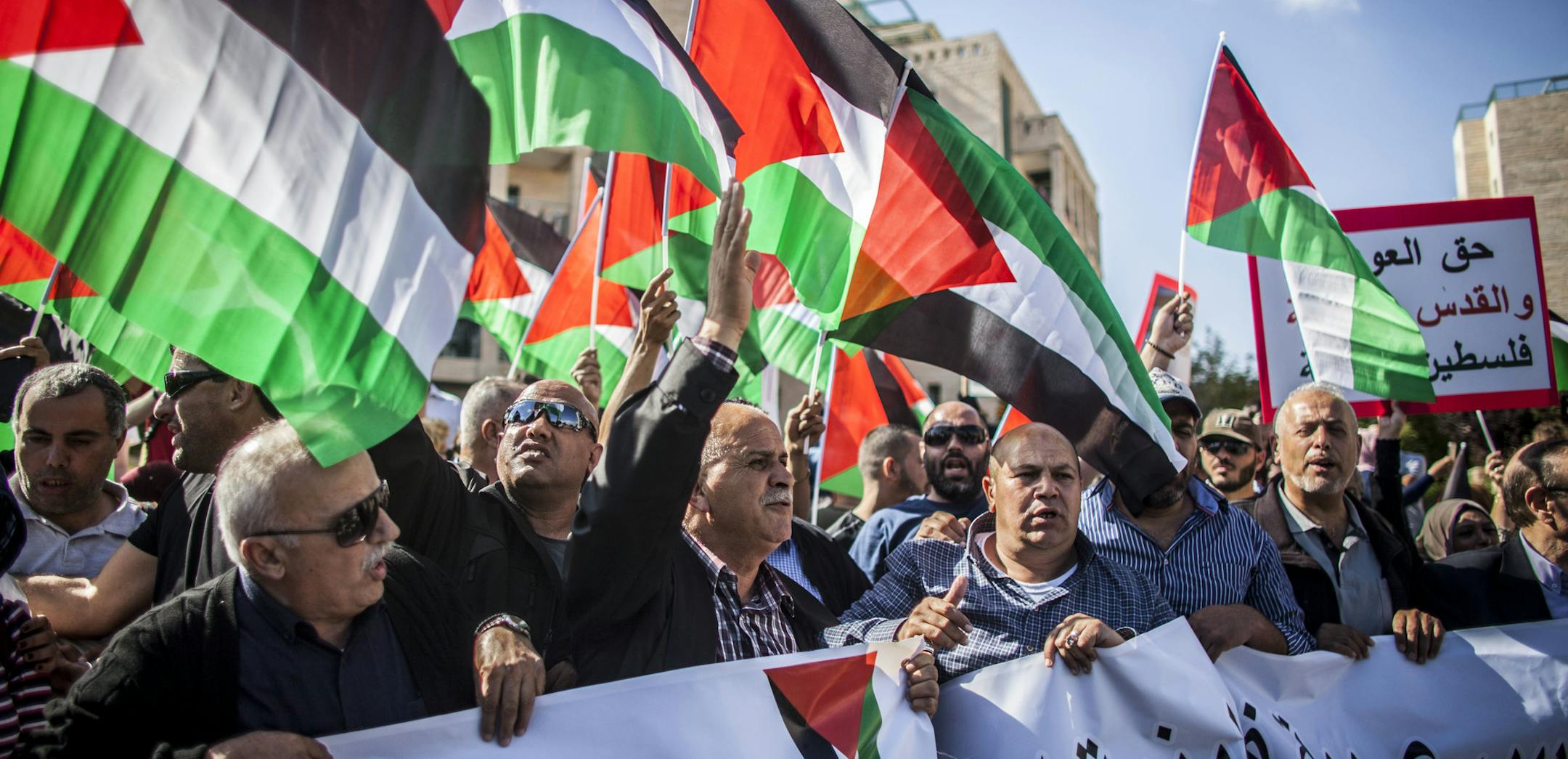
At least 55 Palestinians were killed and more than 2,000 were wounded or injured Monday when Israeli forces fired on protesters along the Gaza border. While some of the protesters were armed, most were nonviolent. They gathered to protest Gaza's unrelenting humanitarian crisis and the inauguration of the U.S. Embassy in Jerusalem.
Now Palestinians and Israelis must show restraint — and the U.S. must make a new diplomatic push — to prevent even more violence from engulfing the perpetually troubled region in the coming days.
The carnage may enrage and embolden Gazans and perhaps West Bank Palestinians, especially on Tuesday, a day marked by many as the anniversary of Palestinian expulsion from the newly formed Israel. Palestinians refer to it as the Nakba, or catastrophe. And while many Israelis understandably have a different historical narrative of the 70th anniversary of their nation's founding, all should agree that they cannot allow unchecked violence to spiral into another catastrophe.
And one that could spill beyond Israel's borders. Just last week, Iranian missile strikes on Israeli positions in the occupied Golan Heights were met with an Israeli counter-strike that reportedly killed several Iranians.
Israel has the right to defend its borders, and it has the might to do so successfully. But Israeli Prime Minister Benjamin Netanyahu must realize that until borders of a two-state solution are set, there will be continuous conflict, if not the potential for tragic warfare.
The U.S. has been considered an honest broker that could help advance a negotiated settlement. But now most Palestinians are rejecting America's historic role because of what it considers the Trump administration's tilt toward Israel, a perspective cemented by the U.S. announcing that it would relocate its embassy in Jerusalem.
Jerusalem is Israel's capital. But Palestinians also hope that portions of the east side of the city will be the capital of their future state, which has long led to administrations of both parties reserving the issue for future negotiations. President Donald Trump discarded prudence without asking for actions that would advance the cause of peace.


