

The Minnesota Department of Natural Resources (DNR) has a tough choice to make (and this time it is not about PolyMet). Now that the public comment period has ended, the agency will have to choose whether to continue to allow the use of toxic lead shot in most wildlife management areas (WMAs), or join our neighbors in North Dakota and South Dakota by setting up common-sense safeguards that benefit wildlife and people alike.
This change is necessary and overdue, because it has been proven that lead shot poisons birds and wildlife. It takes only one or two ingested lead pellets to kill a bird, and if you have ever seen a bird dying unnecessarily of lead poisoning, it is heartbreaking.
Waterfowl such as mallards swallow small rocks, or grit, to help with their digestion, but they easily confuse spent shot for grit. Also, bald eagles, golden eagles, other birds of prey and scavengers can accidentally ingest lead shot when consuming injured or dead game.
Since 1991, the U.S. Fish and Wildlife Service has required waterfowl hunters to use nontoxic shot. Also, lead shot is not allowed on federal Waterfowl Production Areas (WPAs), which are often adjacent to WMAs. The nontoxic-shot requirement has saved millions of birds and should be extended to Minnesota's WMAs, because birds don't recognize boundary lines. Lead shot poisons and kills birds no matter where they pick it up.
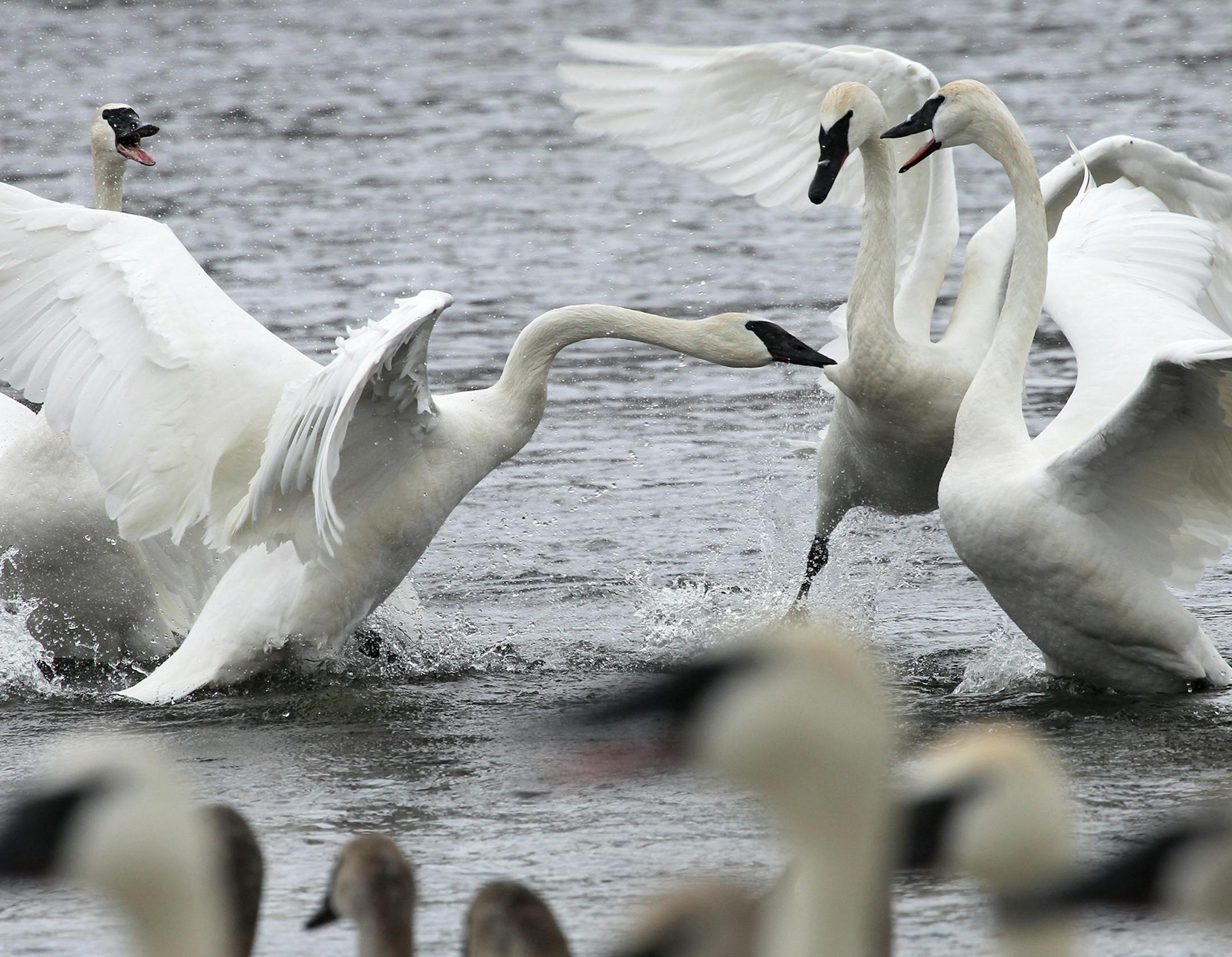
Our birds face a wide range of threats, but lead poisoning does not need to be one of them. It is a relatively easy fix in comparison to other issues. We can protect iconic Minnesota birds such as the common loon and the trumpeter swan, as well as more than 100 other bird species, from ingesting toxic lead shot simply by establishing nontoxic shot zones.
The myth that this rule change will drive hunters to other states is completely unsubstantiated. In 2006, a Nontoxic Shot Advisory Committee was formed in Minnesota and included representatives from Pheasants Forever, the Ruffed Grouse Society, Gander Mountain, the Minnesota Conservation Federation and Audubon Minnesota. The committee learned that South Dakota, a popular destination for pheasant hunting, has had nontoxic-shot requirements on nearly all public lands for more than 25 years and this requirement has not reduced that state's hunting revenue. As a matter of fact, the Dakotas continue to be a national destination for hunters.
We need to safeguard our public lands and bring forward measures that protect our birds from lead poisoning. We have removed lead from our consumer goods and our communities, and it only makes sense to remove it from our WMAs. Suitable alternatives to toxic lead shot already are being used by many hunters.
Minnesota has always been considered a leader when it comes to conservation. Let's not get left behind any longer on lead shot.


