

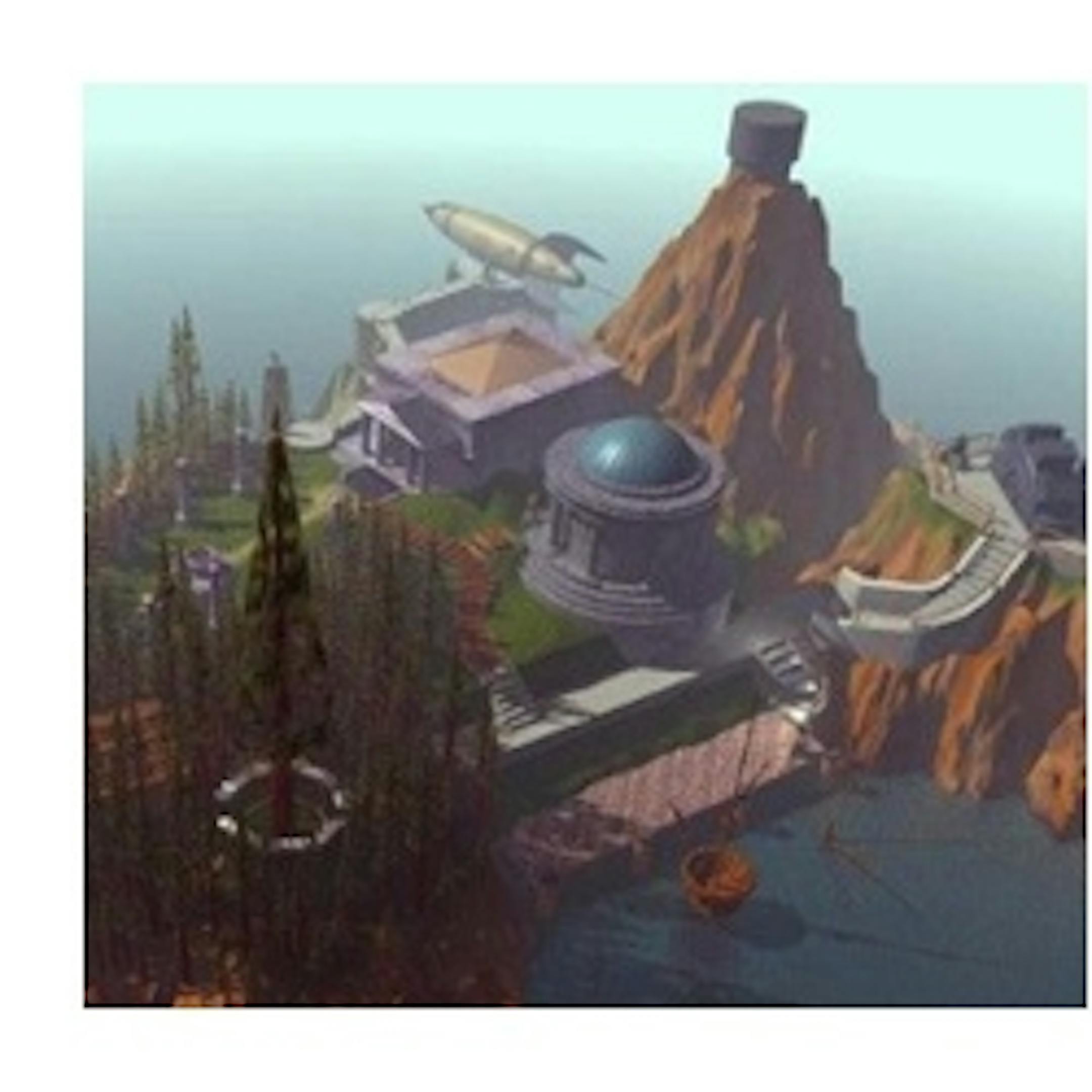
Grantland has a great piece on the 20th anniversary of Myst - what it accomplished, how it changed gaming, and what happened next. Emily Yoshida's piece is full of tidbits like this:
Saved the game, I think. Or at least turned it from an interesting puzzler into a completely immersive experience. It's hard for a 20-something to look at Myst and think it could possibly be as immersive as modern games, but as the article notes, it changed the way people thought about their computers, and how they realized the pleasures of getting utterly lost in another world. I used to turn all the lights off and play with headphones.
I knew this part was coming:
Reviews might have been better if they'd gone with the original author of the book, who was halfway into the project before he was swapped out for another author. That manuscript - lost forever, alas - was based on the Miller brother's original novelization, but added innumerable details that lit up every mystery in the game without explaining too much, and set the stage for an broad, deep mythology. Too bad the chatterbox author was full of himself and made some intemperate remarks to the Star-Tribune, and was replaced with another writer.
Or they just didn't like my manuscript. Man, that stung. It was like being the world's biggest Star Wars fan and being invited to help write "The Empire Strikes Back." I still remember looking at the huge drawings for the sequel game in their studio, feeling part of the project - and then nothing. Closed doors.
Well, that's the way it goes. I still looked forward to the sequel, but I never finished it. Something about swapping out CDs to ride the tram from island to island completely took me out of the game, and the spell the original cast was lost. The puzzles were maddening, not fascinating. The ability to show actual actors instead of tiny faces peering at you from the books dampened the personal involvement somehow; you felt like a spectator instead of a participant.
Something else had happened between the two games: Doom. Id's game changed things more than Myst, because you could move through spaces, not lurch from one exquisitely-rendered picture to the next. (Myst was done in Hypercard, of all things; you were just moving between cards in a big beautiful stack.) But you're still going from point A to point Z, shooting and ducking. Rand Miller says:
Exactly. There's GTA V, which has a huge world but ends up making you feel utterly trapped, if you agree with this excellent review. I've longed for a game that lets you get behind the wheel and explore town after town along a rural highway, with no missions or objectives at all, just possibilities. You don't need a mythology. You don't need a backstory beyond the American culture that's already in place, and I don't mean the tiresome Tarantino bad-guy tropes. Or just build ancient Rome and let someone live there. No "Second Life" nonsense where you can be a bodybuilder furry if you want.


