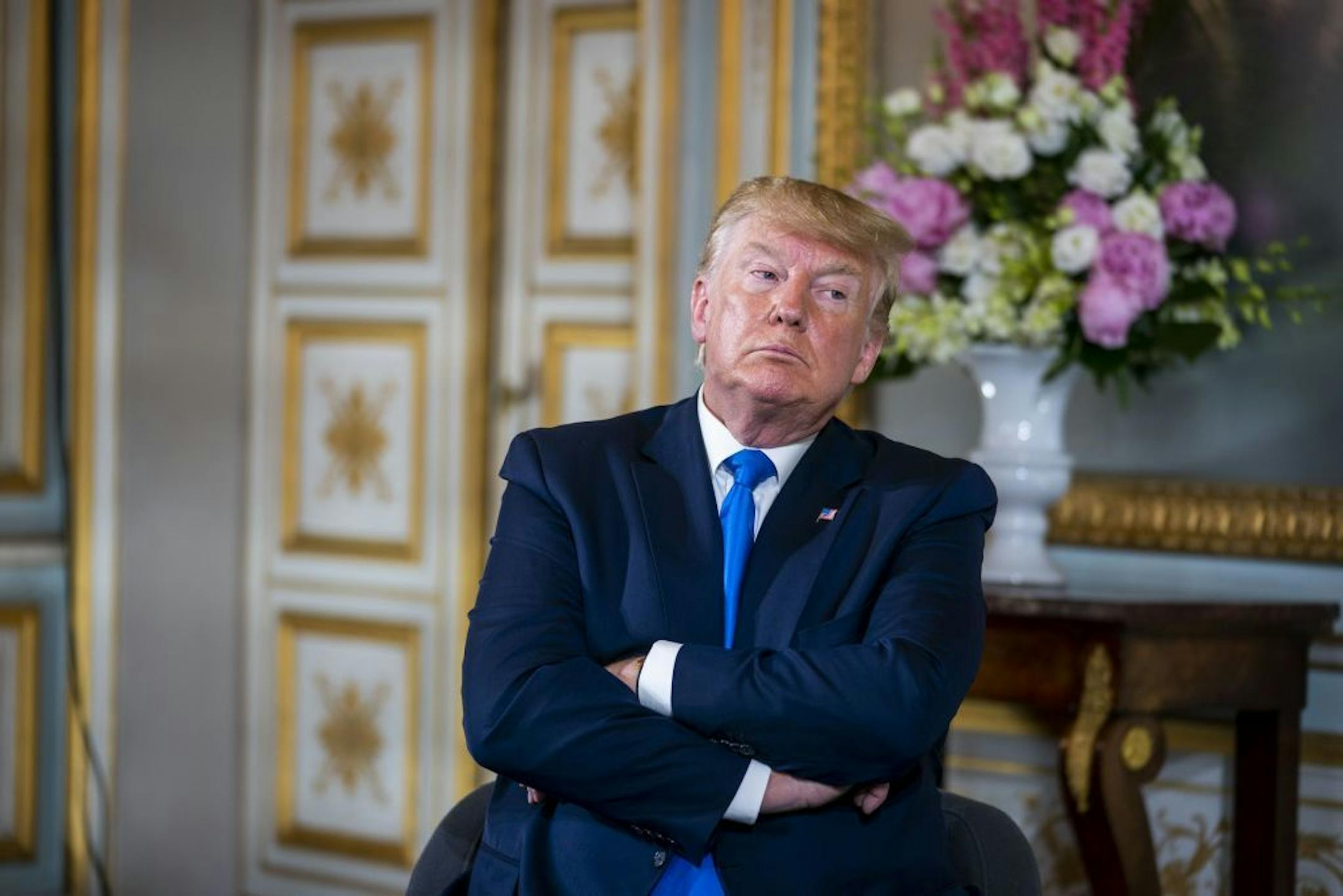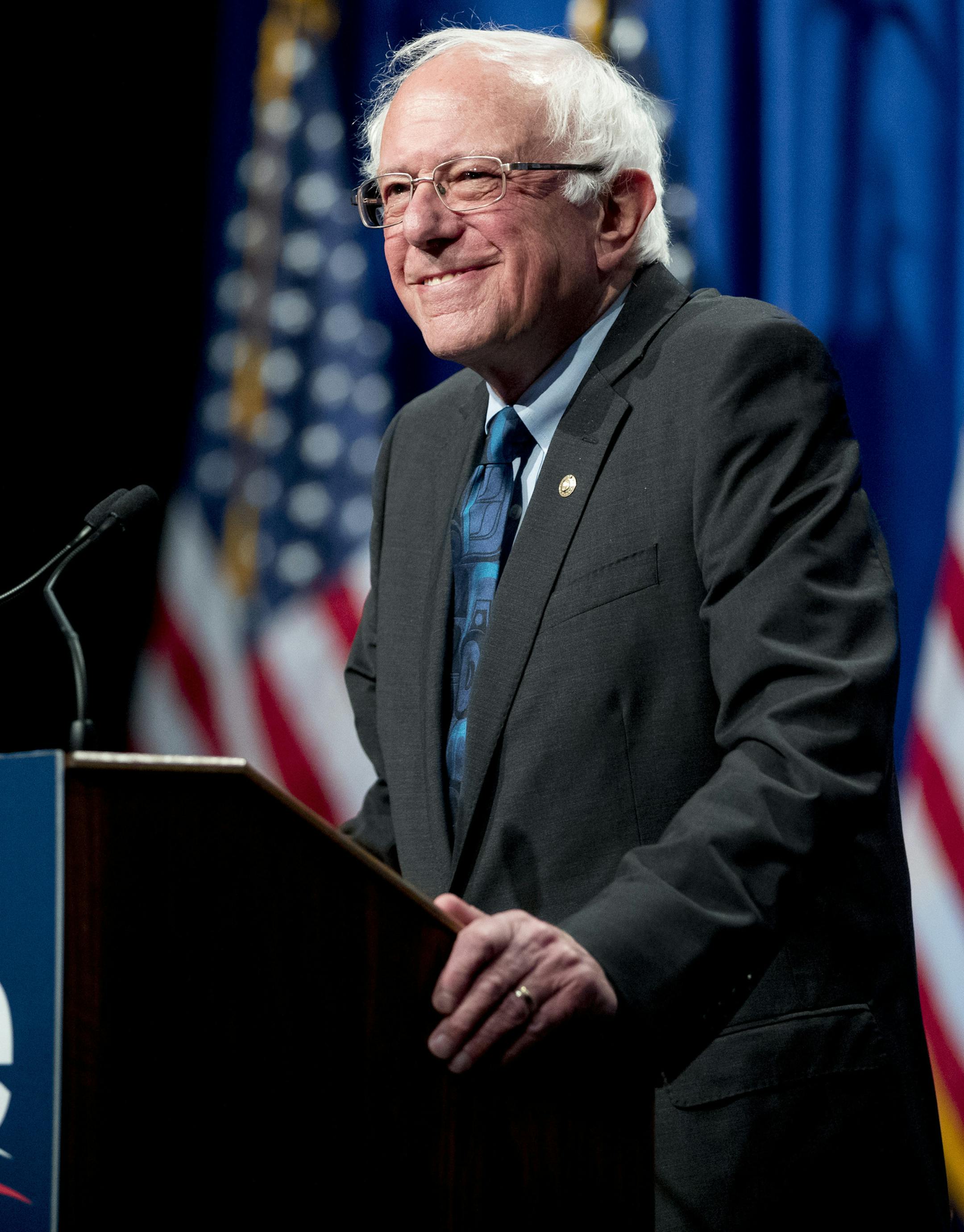
President Donald Trump turned 73 on Friday. Two of his leading challengers, Joe Biden and Bernie Sanders, are 76 and 77, respectively. A third, Elizabeth Warren, turns 70 on June 22. Two long-shot presidential contenders would spend their 70th birthdays in office. A third will be 90 before Election Day.
"I just feel like a young man," Trump told reporters on the White House lawn in April. "I'm so young. I can't believe it. I'm the youngest person. I am a young, vibrant man."
He was less charitable toward Biden, who is three years his senior, and his other rivals: "I would never say anyone is too old, but I know they're all making me look very young, both in terms of age and I think in terms of energy."
Because I am a geriatrician, friends and acquaintances often ask me what I think about all the older people running for president in 2020. It usually begins like this: "I don't mean to sound ageist, but …" Is it safe? they wonder. Is it sensible? Does it matter?
The answers do not depend on a number. The criteria for running for or being president shouldn't vary with age, and age doesn't tell you what you need to know to determine a person's intellectual, emotional, physical or experiential fitness for office, whether that person is 38 or 90.
That so many older candidates vie for president shouldn't surprise us. Across states and industries, unprecedented numbers of people in their 70s today remain in or rejoin the American workforce. But the picture is confusing.
Americans over 65 have become the fastest-growing worker group in the United States; at the same time, conversations about early retirement, workplace age discrimination and a dominant industry that defines 30 as old abound.
Reasons not to retire at the traditional age of one's early- to mid-60s are many. Pensions are not what they were during what will most likely be regarded as the (historically exceptional) golden age of retirement in the 20th century. This means that people often delay retirement to maximize their retirement benefits, and many also keep working at least part time because they need the money to maintain their standard of living or keep themselves out of poverty.