

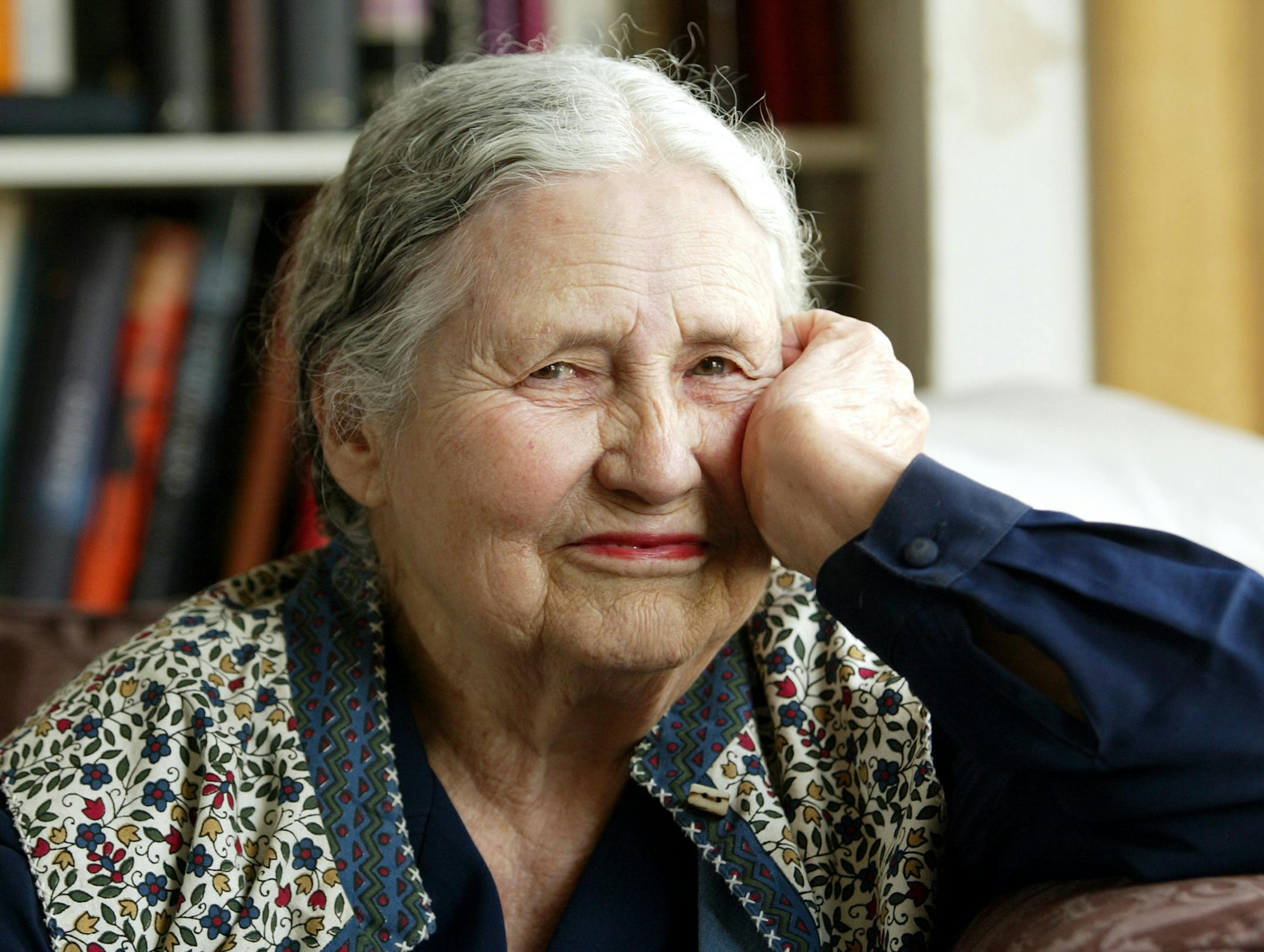
Doris Lessing, the freewheeling Nobel Prize-winning writer on racism, colonialism, feminism and communism who died last month at age 94, was prolific for most of her life. But five years ago, she said the writing had dried up.
"Don't imagine you'll have it forever," she said, according to one obituary. "Use it while you've got it because it'll go; it's sliding away like water down a plug hole."
Does creativity have an expiration date? The question arises each time an artistic luminary retires: In the past year, authors Philip Roth and Alice Munro announced that they would stop writing after decades of prodigious output; he was 79, she was 81, and their declarations piqued fears in older artists that they, too, might run out of ideas or energy.
We are used to wunderkinds, Mozarts and Zuckerbergs whose innovations in classical music and social media in their 20s transformed the culture. But the origins of creativity are complex, influenced by societal, emotional and neurological factors. Although some creative minds do peak early on, the trajectory is often not straightforward.
"I was not happy to see [Lessing] say that at the end," said Joan Jeffri, founder and director of the Research Center for Arts and Culture at the National Center for Creative Aging. "Look at Norman Mailer. He had no teeth left and he was walking with two canes, and he was still writing."
With increased longevity and the aging of the baby boomers, a generation that gained a reputation in the 1960s for valuing creativity across genres from electric guitar solos to psychedelic art to nontraditional living arrangements, the questions have become more pressing. The National Endowment for the Arts is coordinating an interagency task force, which includes the National Institute on Aging, to look into how creativity can be fostered throughout a person's life.
"Enhanced creativity is associated with greater satisfaction," NEA research director Sunil Iyengar said.
Dementia or brain damage can affect creative output. But in a healthy brain, decline is not a given, said Mark Walton, author of "Boundless Potential: Transform Your Brain, Unleash Your Talents, Reinvent Your Work in Midlife and Beyond."


