Inside every pot of stock is a redemption story.
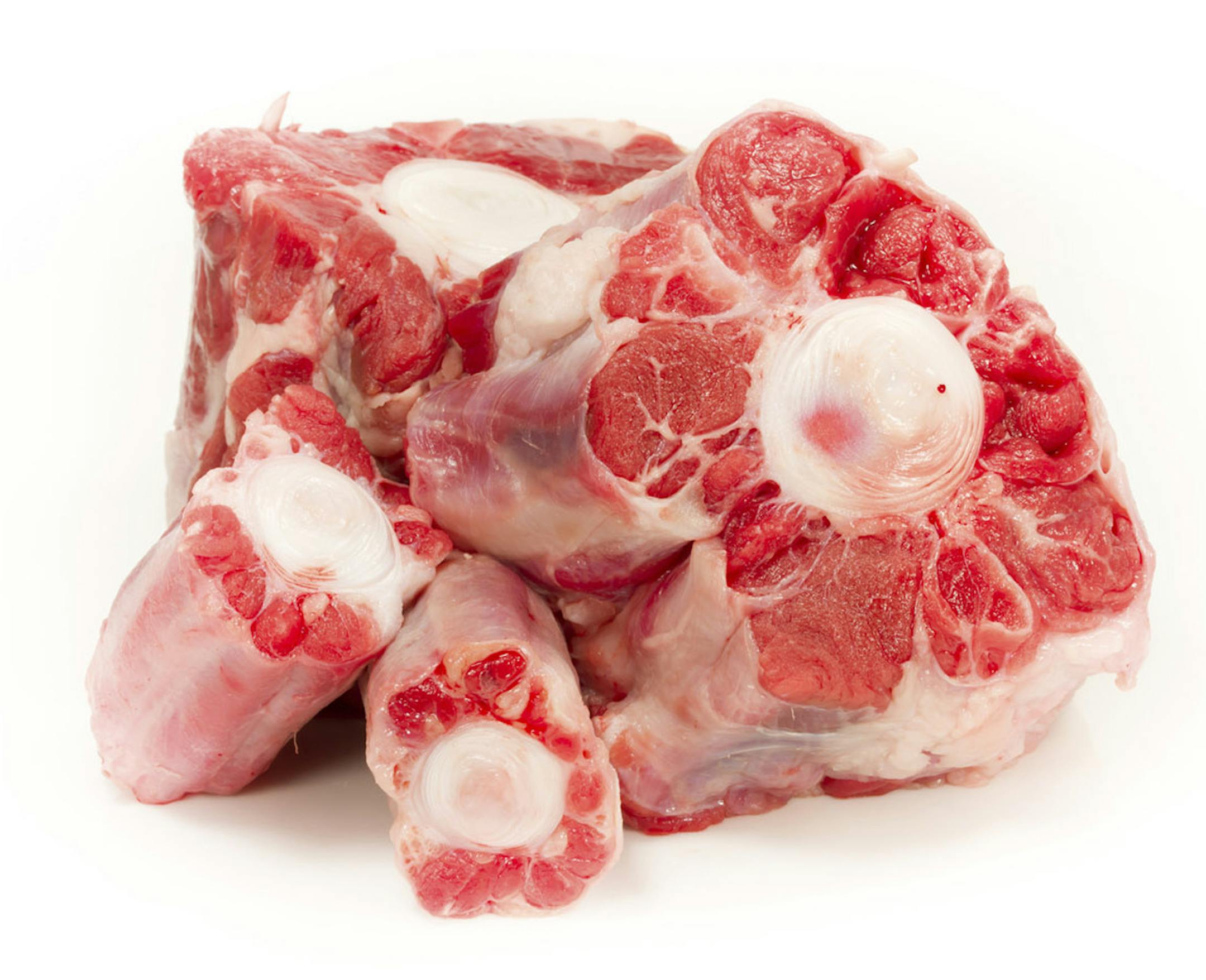
The finished rich liquid is almost magically produced from paupers' ingredients — discardable trimmings of animal and vegetable otherwise destined for a garbage can or compost heap.
There's kitchen alchemy in a long simmer, which creates the gold that has historically been the soul of hearty soups, sauces, braises and demi-glaces.
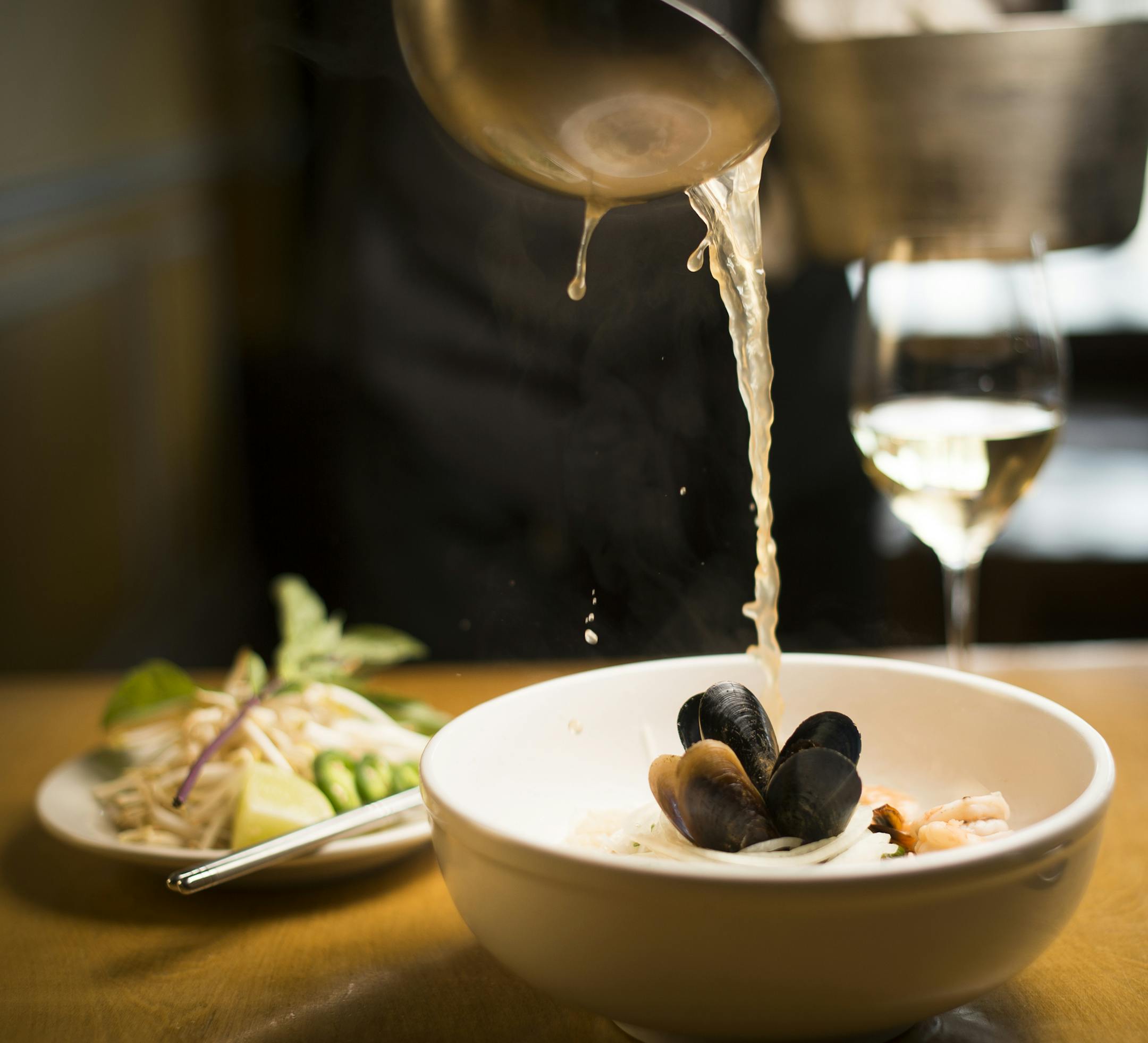
In yet another version of everything old is new again, meat juice (and its vegetarian counterpart) is hot — which remains the best way to consume it. A cup of steaming bone broth is trendy as a stand-alone drink or alternative to a caffeinated cup. Takeout windows and markets in food-forward cities have begun dispensing the drink — at $4 to $6 a pop.
The shelf of newly released cookbooks is stacked with titles devoted to producing stock; a local start-up features a fresh broth made from Minnesota ingredients, and there's even a K-cup version, with plastic pods for fast single servings (chicken or beef), sure to be of particular interest to Paleo dieters in search of a high-protein beverage.
Health claims accompany the trend. New York supermodels who swear by a daily cup say the nutrients released from bones improve the look of their hair, skin and nails. Bone broth is showing up on training tables for some professional athletes, who swig it as a sports recovery drink.
The benefits are promoted in the title of "The Bare Bones Broth Cookbook: 125 Gut-Friendly Recipes to Heal, Strengthen and Nourish the Body." The book's introduction is written by a doctor who says the collagen extracted from a long simmer of bones imbues the elixir with "powerful, almost magical growth-promoting properties" that can enhance gut health and spur healing.
While there is little in the way of formal research to support the superfood claim, there's no doubt the stocks and broths are nutrient-dense.