Typographer Andrew West wrote a letter to the committee about his disdain for the existence of the object.
"I'm concerned that this character will open the floodgates for an open-ended set of Pile of Poo emoji with emotions, such as Crying Pile of Poo, Pile of Poo With Look of Triumph, Pile of Poo Screaming in Fear, etc.," West wrote.
Unicode withdrew the pooposal, but announced that it will revisit the matter sometime in the future.
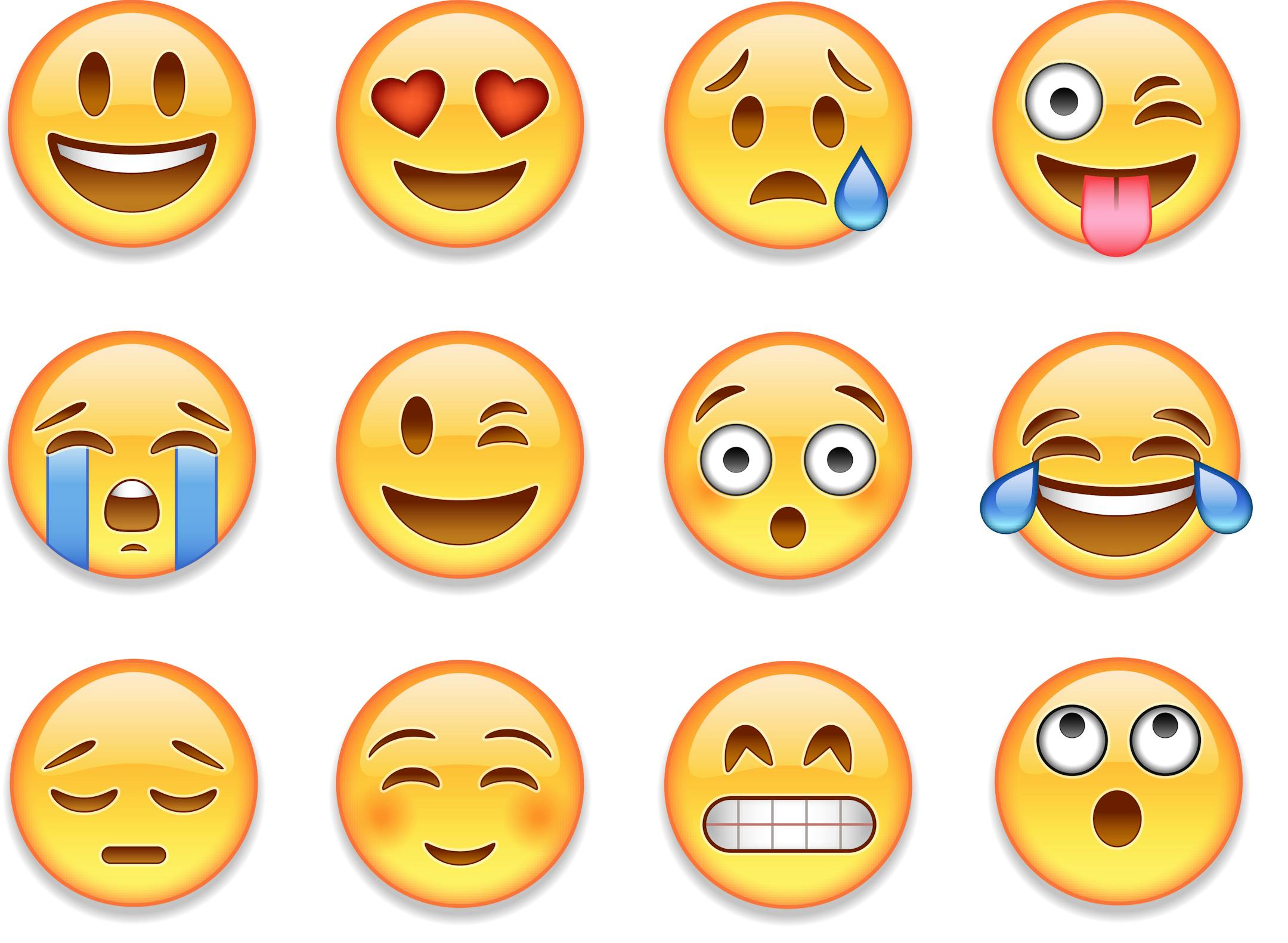
This may seem like a total waste of time, but it's part of a larger, more important conversation about how we talk to one another: The more emojis replace words, the more they define which ideas can — and cannot — be expressed.
Like any pictographic language, emjois are limited in their ability to express complex ideas. Subtext and nuance are difficult to convey in tiny images. And these shorthand characters of the online world can carry loaded messages.
In addition, emojis are completely open to interpretation and their meanings rapidly evolve. (An emoji of a rifle, intended to celebrate an event in the 2016 Olympics, was nixed.) Emojis have been attacked as racist (Apple didn't add ethnically diverse emojis until 2015) and sexist (last summer, there was an internet campaign to introduce a ballet-shoes emoji to compete with the stiletto heel emoji, which some saw as sexual and demeaning).