DUBAI, United Arab Emirates — Saudi Arabia accused Tehran of being behind a drone strike that shut down a key oil pipeline in the kingdom, and a newspaper close to the palace called for Washington to launch "surgical" strikes on Iran, raising the specter of escalating tensions as the U.S. boosts its military presence in the Persian Gulf.
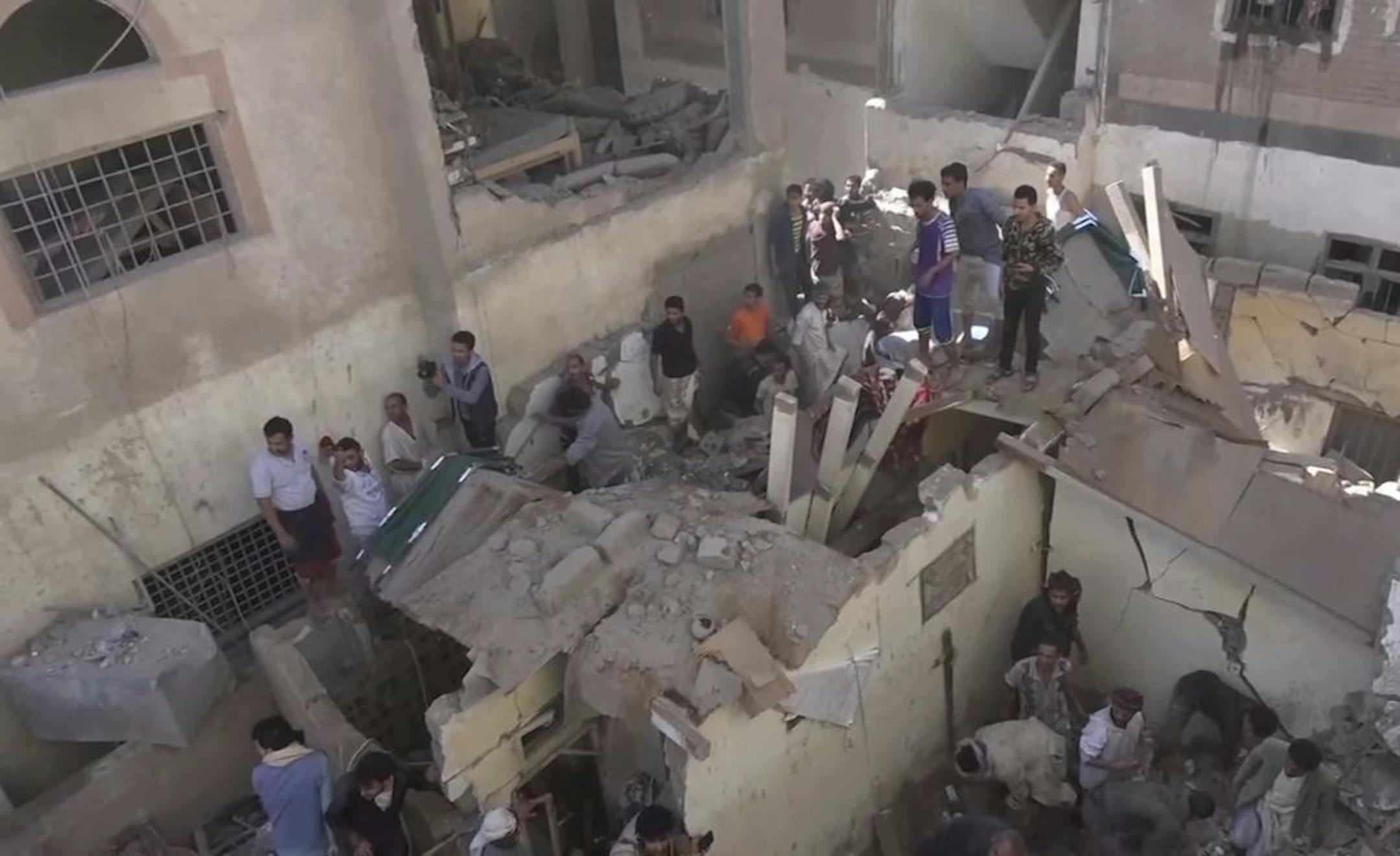
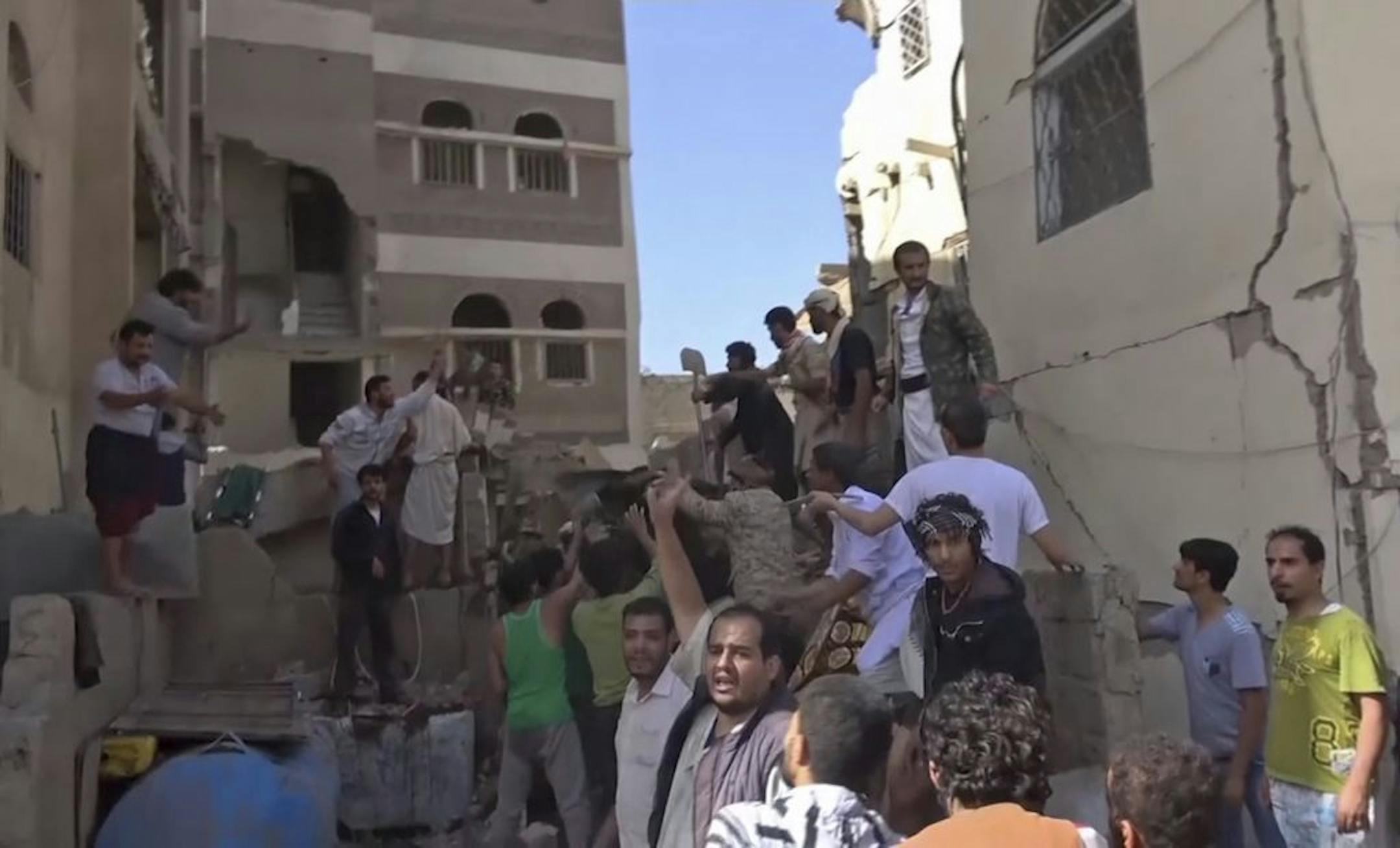
Concerns about possible conflict have flared after the U.S. dispatched warships and bombers to the region to counter an alleged but unspecified threat from Iran. There also have been allegations that four oil tankers were sabotaged Sunday off the coast of the United Arab Emirates, and Iran-aligned rebels in Yemen claimed responsibility for Tuesday's attack on the Saudi pipeline.
Fears have grown out of President Donald Trump's decision last year to withdraw the U.S. from the 2015 nuclear accord between Iran and world powers and impose wide-reaching sanctions — the latest levied as recently as last week — that have crippled Iran's economy. But Trump took a soft tone Thursday, a day after tweeting that he expected Iran to look for talks. Asked if the U.S. might be on a path to war with the Iranians, the president answered, "I hope not."
Saudi Prince Khalid bin Salman, who is King Salman's son and the country's deputy defense minister, tweeted that the drone attack on two Saudi Aramco pumping stations running along the East-West pipeline were "ordered by the regime in Tehran, and carried out by the Houthis" — a reference to the Yemeni rebel group.
A state-aligned Saudi newspaper went further, running an editorial calling for "surgical" U.S. strikes on Iran in retaliation. Iran has been accused by the U.S. and the U.N. of supplying ballistic missile technology and arms to the Houthis, which Tehran denies.
The front-page editorial in the Arab News, published in English, said it's "clear that (U.S.) sanctions are not sending the right message" and that "they must be hit hard," without elaborating on specific targets. It said the Trump administration had already set a precedent with airstrikes in Syria, when the government there was suspected of using chemical weapons.
Ali Shihabi, who runs the Saudi-leaning Arabia Foundation in Washington, said there's a sense that if the Iranians can get away with targeting Saudi oil infrastructure, then "the whole security infrastructure in the Gulf will be called into question and security premiums on oil will rise."
He said it would seem that Riyadh would like to coordinate with Washington how it responds to Iran, but "eventually what may happen is that just Saudi Arabia and the UAE may have to do something."