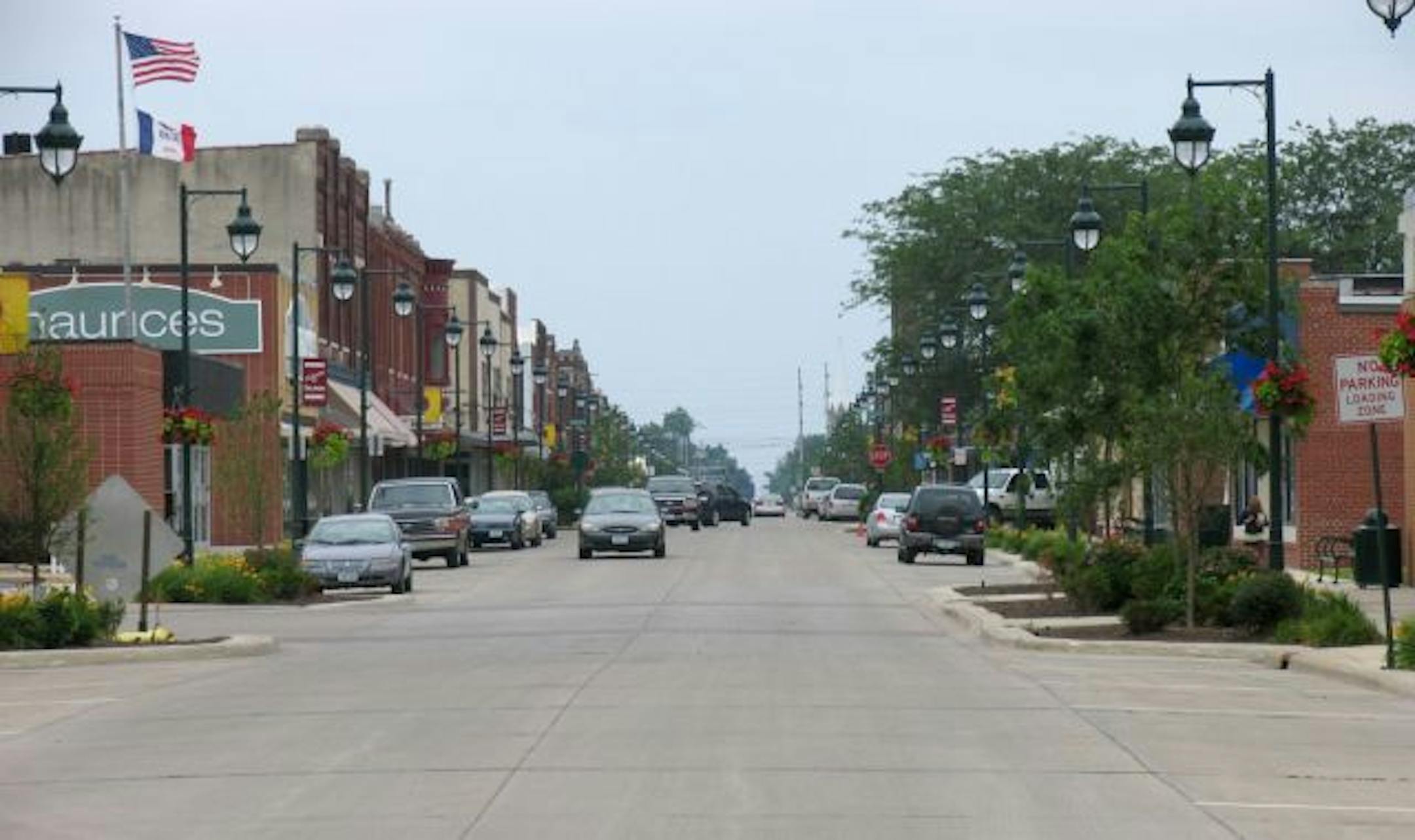
If you sat down for breakfast at Two Brothers Restaurant in Oelwein, Iowa, last Saturday and asked a smart-looking group of retired women if they were all from there, you'd get Shirley Keniston's wry response:
"We're all from Methland. Don't we look it?"
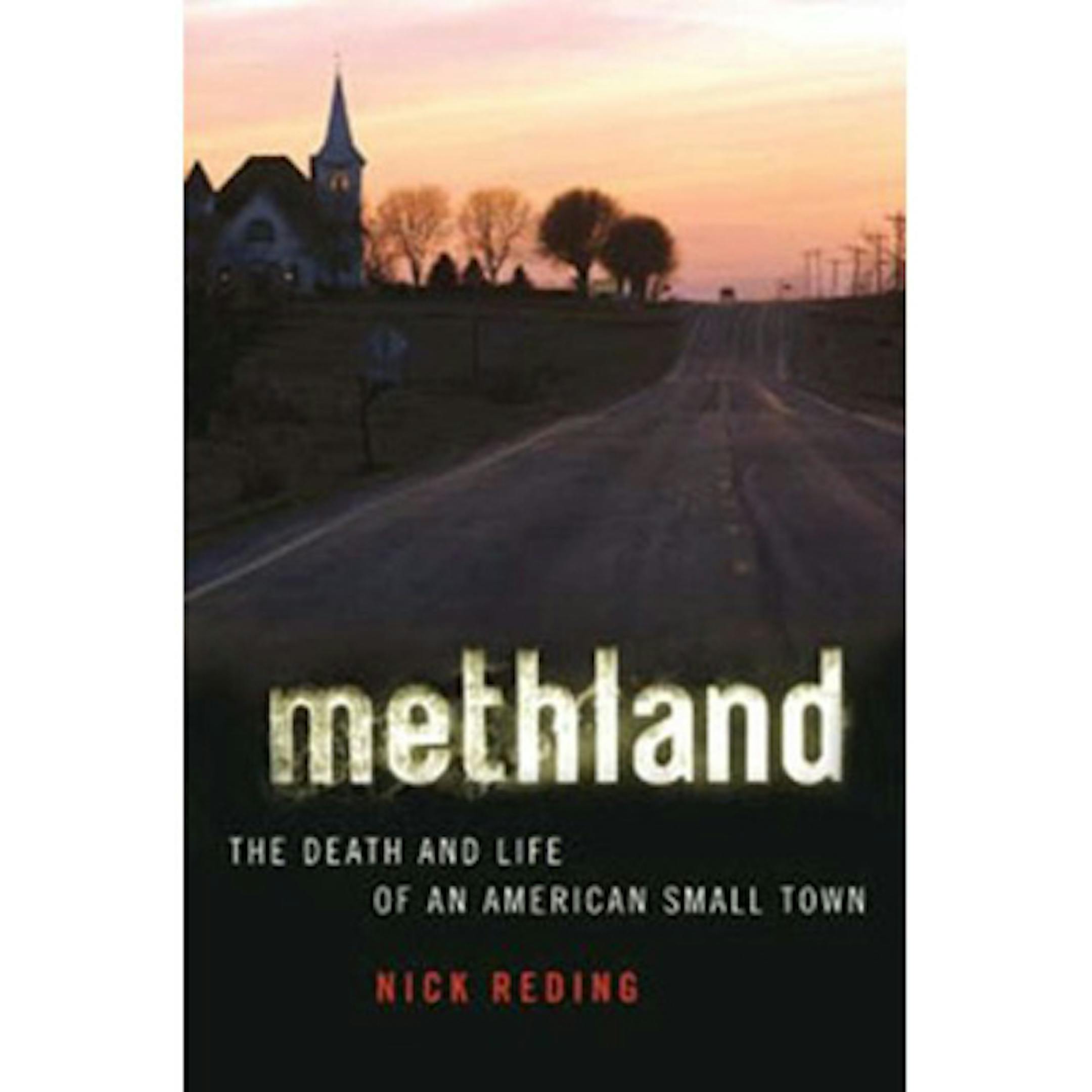
They don't. And yet they are from Methland, which is how Oelwein, Iowa, is now known nationally, thanks to journalist Nick Reding's recently published book, "Methland."
The book was the talk of the town last weekend, and the talk wasn't good. Asked about "that book," residents rolled their eyes in exasperation, sometimes outrage.
Oelwein is 230 miles south of Minneapolis, in northeastern Iowa.
Subtitled "The Death and Life of an American Small Town," the nonfiction book details the methamphetamine scourge of the town (pop. 6,000) from 2005 to 2007, as well as signs of a more recent turnaround in its fortunes. Reding uses the former railroad hub of the Chicago Great Western line as a case study of various ills in the rural Midwest, including big agribusiness, immigrant labor, a poor economy and the influx of Mexican drug trafficking.
Reding's other book, "The Last Cowboys at the End of the World: The Story of the Gauchos of Patagonia," sold 3,000 copies in four years and is out of print. Out for less than two months from publisher Bloomsbury, "Methland" is already in its fifth hardcover printing and was featured on the cover of the New York Times Book Review July 5.
"It's selling really well," said Anton Mueller, the book's editor, from New York.