

It's not hard to find reasons to fret about the state of the economy.
The housing market is slowing down. Light vehicle sales seem to have peaked last year, as highlighted by news that General Motors plans to lay off workers and idle North American plants.
News from the bond market seems worrisome, too, as investors have demanded a higher premium of late to buy a corporate bond that carries some risk rather than buy a Treasury note instead.
Then there are the dire headlines about ballooning big-company debt. A "$9 trillion corporate debt bomb is bubbling," according to CNBC, making it a "time to worry," as the New York Times put it.
Actually, it might be time to calm down.
The average economic up cycle since the end of World War II lasted only about five years, and this economic expansion has been chugging along now since summer 2009. It's certainly looking likely that an economy that has recently grown at a rate of around 3.5 percent will slow down next year.
And while popping asset bubbles and reworking the debt of overleveraged companies and households can be painful, there's not much reason to think those are the kind of economic troubles we are likely in for.
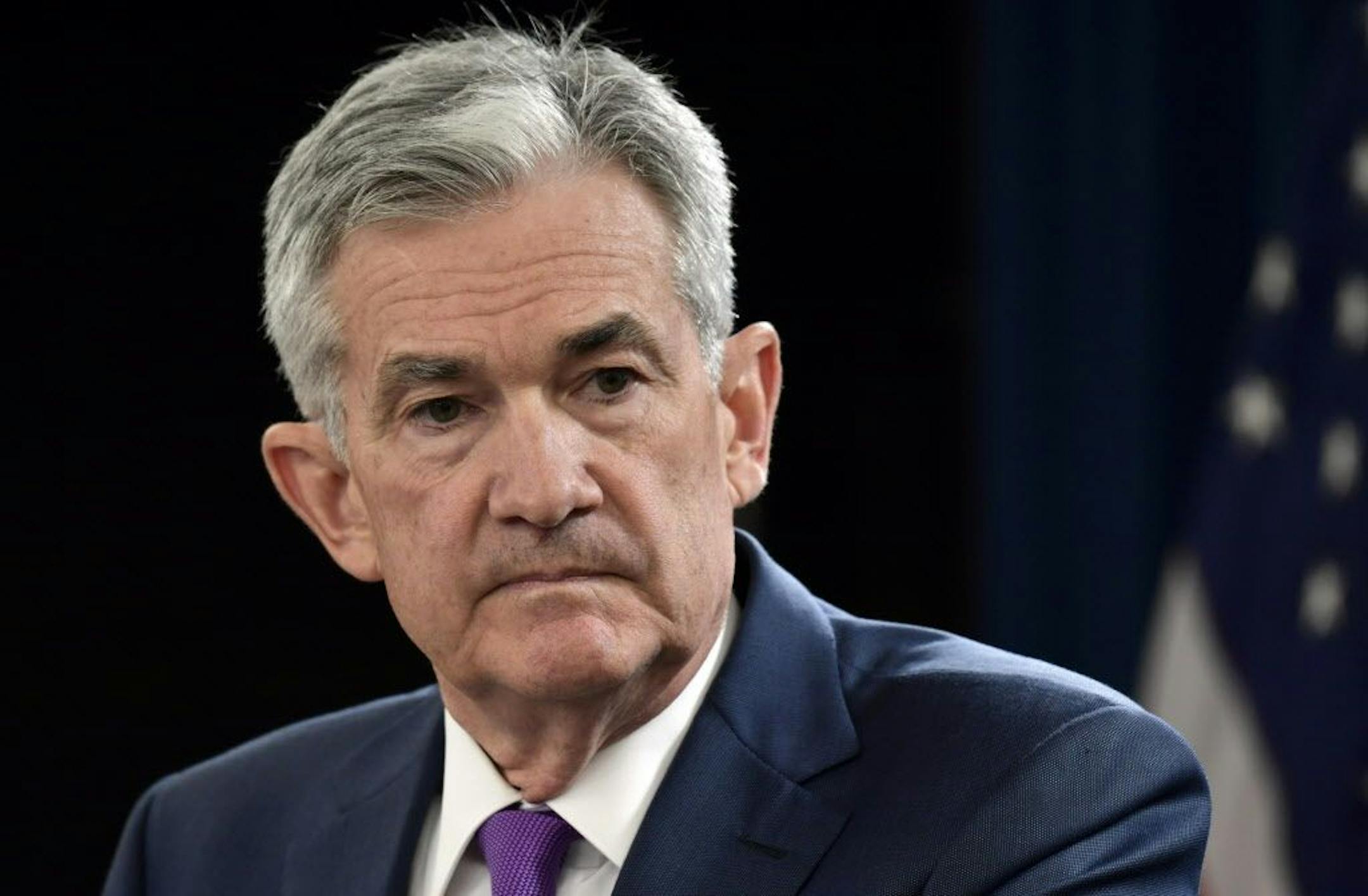
Some concern in the market last week followed the Federal Reserve's first-ever financial-stability report, released along with a speech from Fed Chairman Jerome Powell. One "vulnerability" the Fed identified was excessive debt by businesses and consumers.


