

WASHINGTON – Steve Powers hasn't eaten meat in 30 years, and he doesn't wear animal products.
And when the Trump administration said in November that it was rolling back a ban on imports of elephant hunt trophies from two African countries, Powers disagreed. He doesn't support hunting. But for the past few years, Powers, a fine art and antiques dealer in New York, said politics have made him some strange bedfellows: advocates for the National Rifle Association.
As president of the Antiques Dealers' Association of America, Powers has been fighting alongside the powerful gun lobby against proposed state legislation that would impose full bans on sales of elephant ivory within state borders. Members of the two groups collect and sell dinnerware, figurines, furniture, musical instruments — and guns — all of which contain ivory.
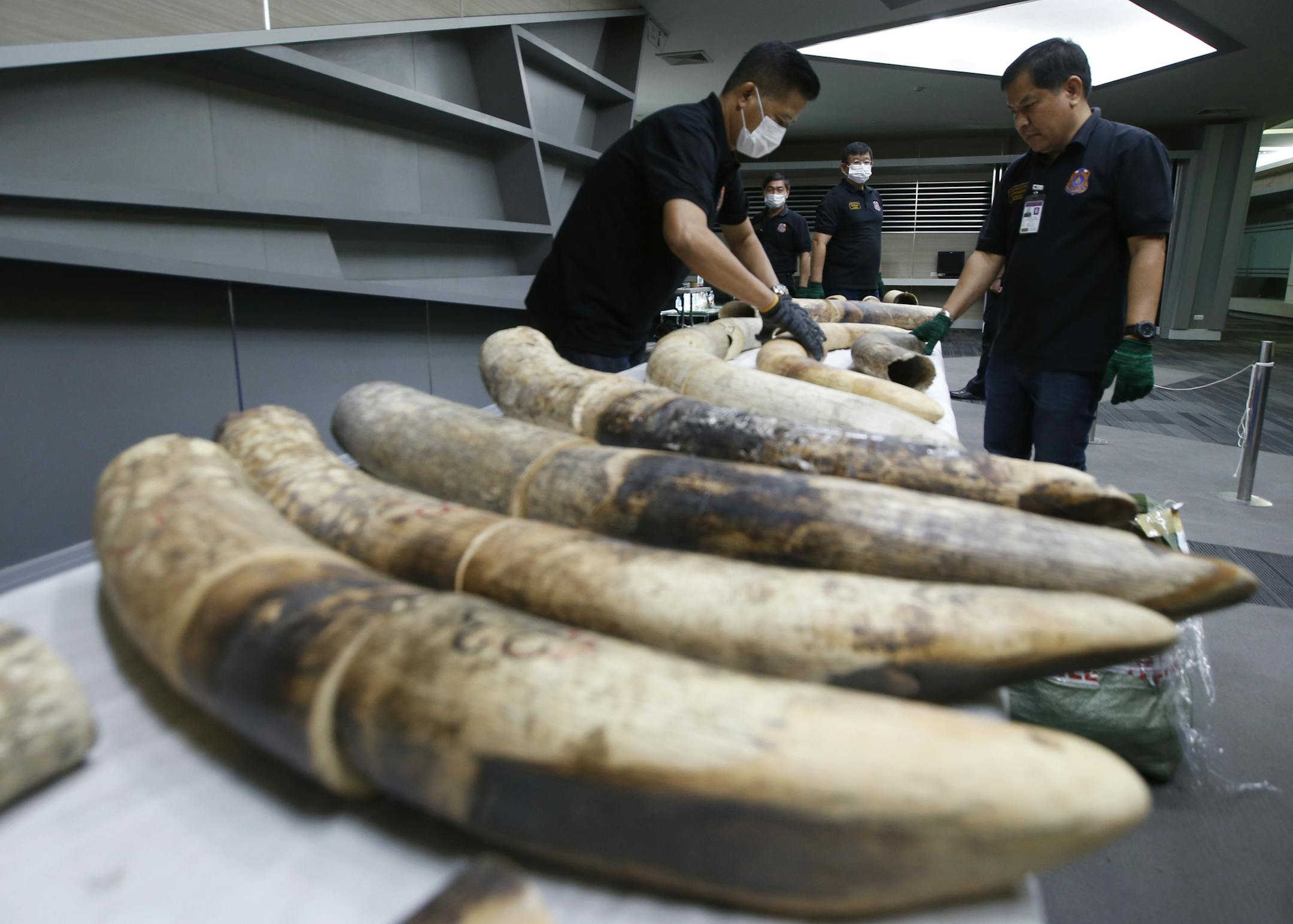
The legislation — which has been enacted in six states so far — would close what animal welfare activists say are loopholes in the federal restrictions on African elephant ivory imports and sales. Making the changes, they say, would help shut down the market and put an end to the illegal poaching of African elephants, which has caused their population to dwindle.
The number of African elephants, which are listed as threatened under the Endangered Species Act, fell from nearly half a million in 2007 to about 352,000 in 2014, according to estimates from the Great Elephant Census, a survey funded by conservation and wildlife organizations.
The Obama administration in 2016 implemented a near-total ban on commercial trade of African elephant ivory. The ban prohibits importation of most ivory into the United States and ivory sales across state lines, but doesn't apply to ivory sales within state borders. But it includes exemptions, such as for antiques that are more than 100 years old and items with small amounts of ivory, such as older pianos and other musical instruments with ivory inlays.
These exceptions aren't enough, according to some animal welfare activists who say any legal market for ivory can both conceal illegal sales and increase demand. Jen Samuel, founder and president of a national advocacy group called Elephants DC, which has helped lead the movement to enact the laws, said shutting down the market entirely is critical to saving the elephants.
"If we in the U.S. continue to allow some ivory trade, we are just perpetuating the need for another elephant to be killed," Samuel said.


